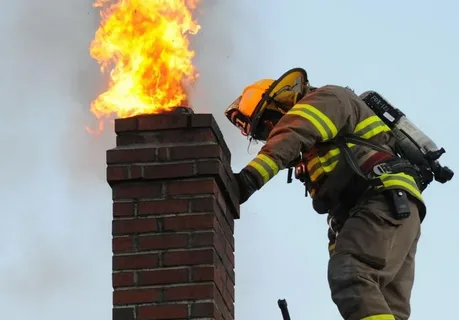
Keeping your chimney clean is essential for both safety and efficiency. When soot and creosote build up inside the flue, they can reduce airflow and increase the risk of chimney fires. Many homeowners wonder whether do it yourself chimney cleaning is a cost-effective alternative to hiring professionals. This article explores the process, benefits, risks, and best practices for cleaning your chimney on your own while emphasizing when it might be wiser to call in an expert.
Chimney Cleaning and Why It Matters
Chimney cleaning is not just about removing soot. It is a crucial safety measure that reduces fire hazards and ensures your fireplace works efficiently. Over time, burning wood creates creosote, a sticky, highly flammable substance that clings to the chimney walls. Without regular removal, this buildup can ignite and cause dangerous chimney fires. Beyond fire risks, clogged chimneys restrict airflow, leading to smoke entering your home, which can trigger respiratory issues and even carbon monoxide poisoning. Regular cleaning keeps the air clean, protects your family, and helps your heating system function properly.
Understanding Do It Yourself Chimney Cleaning
Do it yourself chimney cleaning refers to the process of homeowners attempting to sweep their chimneys without professional assistance. While it is possible to carry out basic cleaning with the right tools, it is not as straightforward as it may seem. A chimney is a complex structure with bends, hidden flue liners, and difficult-to-reach spots. DIY cleaning may remove surface soot but often misses deep creosote deposits that require specialized brushes or vacuums. Knowing this distinction helps homeowners decide whether they should attempt DIY maintenance or leave it to chimney sweeps.
Tools Needed for Do It Yourself Chimney Cleaning
For those attempting chimney cleaning on their own, a set of essential tools is required. Chimney brushes come in different shapes and sizes depending on whether your flue is round, square, or oval. Extension rods are needed to reach deep inside the chimney, and a sturdy ladder is often necessary to access the roof. A powerful shop vacuum can help in collecting loosened debris, though care must be taken not to blow fine ash back into your living room. Protective gear like gloves, goggles, and a dust mask is vital since chimney soot contains harmful chemicals that can irritate your lungs and skin.
Steps in Do It Yourself Chimney Cleaning
When beginning a DIY chimney cleaning, preparation is everything. First, the fireplace opening must be sealed with plastic sheeting or a heavy drop cloth to prevent soot from spreading into the home. Once sealed, the brush and rods are inserted from the top or bottom of the chimney depending on accessibility. Repeated up-and-down strokes help loosen soot and creosote from the walls of the flue. After brushing, a thorough vacuuming is required to remove debris. Finally, an inspection with a flashlight ensures that blockages like bird nests or large creosote chunks are cleared. Each step must be performed carefully, as skipping even one could compromise both safety and effectiveness.
The Advantages of DIY Chimney Cleaning
The most obvious advantage of do it yourself chimney cleaning is cost savings. Hiring a professional sweep can be expensive, especially if your chimney requires frequent cleaning due to heavy fireplace use. By cleaning the chimney yourself, you save on service fees while gaining hands-on experience in fireplace maintenance. Another benefit is flexibility, as you can clean on your own schedule instead of waiting for an appointment. Some homeowners also appreciate the sense of accomplishment that comes from maintaining their own home systems.
The Risks of Do It Yourself Chimney Cleaning
Despite the potential benefits, DIY chimney cleaning carries significant risks. One of the biggest dangers is incomplete cleaning, where surface soot is removed but hazardous creosote remains. This false sense of security may lead homeowners to believe their chimney is safe when it is not. Another concern is safety during the cleaning process itself. Climbing onto the roof with brushes and rods is hazardous, especially in wet or icy conditions. Moreover, mishandling soot and ash without protective gear can expose you to harmful chemicals. These risks highlight why many experts caution against relying solely on DIY methods.
When Professional Chimney Cleaning Is the Better Choice
There are situations where professional chimney cleaning is strongly recommended. If your fireplace produces heavy smoke, emits strange odors, or you notice tar-like buildup inside the flue, a certified sweep should be called. Professionals not only remove creosote effectively but also inspect for cracks, loose bricks, and damaged liners that can lead to structural problems. Annual inspections by professionals are especially important for older homes or chimneys that have not been cleaned in years. While hiring a chimney sweep costs more upfront, the long-term safety and peace of mind are often worth the investment.
The Cost Comparison Between DIY and Professional Cleaning
DIY chimney cleaning costs vary depending on the tools you purchase. A set of brushes, rods, and protective gear may cost anywhere from fifty to one hundred dollars. Once purchased, these tools can be reused for future cleanings, lowering long-term expenses. In contrast, professional chimney cleaning typically ranges between one hundred and three hundred dollars per session. Although this is a higher cost, it includes both cleaning and inspection services. When comparing both options, homeowners must weigh the value of safety, expertise, and thoroughness against the initial savings of DIY.
How Often Should You Clean Your Chimney?
The frequency of chimney cleaning depends on how often you use your fireplace. For households that use wood-burning stoves or fireplaces daily during winter, cleaning may be required two to three times a year. If your usage is occasional, an annual cleaning before the heating season is generally sufficient. Professional organizations like the Chimney Safety Institute of America recommend yearly inspections regardless of use, since blockages from animals or structural damage can occur even in unused chimneys. By following these guidelines, homeowners can ensure their fireplace remains both safe and efficient.
Do It Yourself Chimney Cleaning and Safety Precautions
If you decide to attempt DIY chimney cleaning, taking safety precautions is essential. Always use a sturdy ladder that is secured properly before climbing onto the roof. Wear protective gear to shield yourself from harmful soot particles. Ensure that the fireplace opening is sealed tightly so no dust escapes into your home. Never attempt chimney cleaning during poor weather conditions since wet or icy roofs dramatically increase fall risks. Finally, have a fire extinguisher nearby in case of any accidents involving lingering embers. By observing these safety measures, homeowners can reduce some of the risks associated with chimney cleaning.
Chimney Cleaning and Long-Term Home Maintenance
Keeping your chimney clean is not only about preventing fires but also about extending the lifespan of your fireplace system. Creosote buildup and soot are acidic in nature, which means they can eat away at metal liners or corrode masonry over time. A clean chimney allows smoke and gases to exit freely, reducing wear on the flue. Additionally, consistent maintenance increases energy efficiency by improving airflow. This means your fires burn hotter, produce less smoke, and warm your home more effectively. In this sense, chimney cleaning is a valuable investment in both safety and home preservation.
FAQs
Is do it yourself chimney cleaning effective?
DIY chimney cleaning can remove light soot but often misses deep creosote deposits. Professional cleaning is more effective for thorough results.
Can you clean a chimney without going on the roof?
Yes, bottom-up cleaning methods allow you to sweep from inside the house, but they may be less effective than top-down approaches done by professionals.
What happens if I do not clean my chimney?
Failure to clean your chimney leads to creosote buildup, which increases the risk of chimney fires, smoke problems, and structural damage.
How much creosote buildup is dangerous?
Even a thin layer of creosote can ignite under high heat. If you notice shiny, tar-like deposits, professional cleaning is strongly recommended.
What is the best time of year to clean a chimney?
Late summer or early fall is the best time since it prepares the chimney for heavy winter use and avoids scheduling delays with professionals.
Should I hire a professional even if I clean my chimney myself?
Yes, an annual inspection by a certified professional is recommended even if you perform your own cleaning, as they can spot hidden structural issues.