A carpet can look fine right after a leak, then a few days later a yellow, brown, or gray mark starts spreading across the fibers. That is often how carpet stains from water damage show up – late, unevenly, and with more going on underneath than most people expect. If you are dealing with a burst pipe, appliance leak, storm intrusion, or an overflow, the stain is usually only part of the problem.
Why water-damaged carpet stains appear
When water hits carpet, it does more than wet the surface. It can pull soil from deep in the pile, dissolve residues in the padding, and carry contaminants upward as the carpet dries. That is why a stain may seem to appear out of nowhere after the area already feels dry.
In many homes and commercial spaces, the discoloration comes from what the water carried with it. Dirt from shoes, old cleaning product residue, pet-related material, tannins from furniture legs, rust from metal items, or dust trapped in the backing can all rise to the top during drying. In other cases, the water itself is the issue. Floodwater, sewage backups, and groundwater can leave behind heavy soiling, bacteria, and strong odors that simple surface cleaning will not fix.
There is also the problem of wick-back. This happens when moisture remains in the pad or subfloor after a cleanup. The carpet may look better right after extraction, then stains return as the remaining moisture pulls hidden residue back to the surface. It is frustrating, but it is common.
Not all carpet stains from water damage mean the same thing
The color and pattern of the stain can tell you a lot, although it is never a perfect diagnosis without inspection. Brown or yellow discoloration often points to soil migration, tannin bleed, or backing material coming through. Dark gray areas may suggest heavy dirt transfer or contamination from outside water. Orange or reddish marks can indicate rust. Greenish or blackened patches can point to mold growth, especially when moisture was left in place too long.
The source of the water matters just as much as the stain itself. Clean water from a supply line is different from water from a dishwasher backup, roof leak, or outdoor flooding. A clean water incident caught quickly may leave a manageable stain and little else. A delayed cleanup, or any water that carried contaminants, creates a much bigger restoration issue.
That is why two carpets with similar-looking spots can require very different solutions. One may need extraction, targeted stain treatment, and controlled drying. The other may need pad removal, antimicrobial treatment, odor control, or even full replacement.
When a stain is mostly cosmetic and when it signals deeper damage
A surface stain is one thing. Structural moisture damage is another. If the carpet is still damp, smells musty, feels stiff, or has ripples and bubbling, the problem may have moved beyond appearance. Padding holds water far longer than carpet fibers, and subfloors can stay wet even when the room seems normal again.
That matters because moisture trapped below the carpet can lead to recurring stains, odors, and microbial growth. In homes, that can affect indoor air quality and make a room feel unhealthy even after a basic cleanup. In offices, retail spaces, and rental properties, it can turn into an ongoing maintenance issue with visible staining that keeps coming back.
A good rule is this: if the stain appeared after a leak and the area was not professionally extracted and dried, assume there may be hidden moisture until proven otherwise. Waiting too long can turn a cleanable problem into damaged carpet, compromised padding, and subfloor concerns.
Can carpet stains from water damage be removed?
Often, yes – but it depends on the water source, how long the carpet stayed wet, and what was pulled into the fibers. Fresh discoloration from a minor clean-water leak is usually the most treatable. If the carpet was soaked for days, exposed to contaminated water, or cleaned improperly with too much product, stain removal becomes less predictable.
Professional cleaning helps because the goal is not only to treat the visible spot. The area needs proper water extraction, inspection of the pad and backing, and drying that reaches below the surface. Without that step, even a successful stain treatment may only look good temporarily.
There are also cases where the stain is actually damage. Bleeding dyes, delaminated backing, mold growth, and severe contamination are not standard spot-cleaning issues. In those situations, trying to scrub harder can make things worse by fraying fibers, spreading contamination, or pushing moisture deeper.
What you should do right away
Speed matters. The longer water sits, the more likely it is to leave lasting discoloration and odor. If the leak is active, stop the source first if it is safe to do so. Remove furniture and items from the wet area to prevent dye transfer and rust marks.
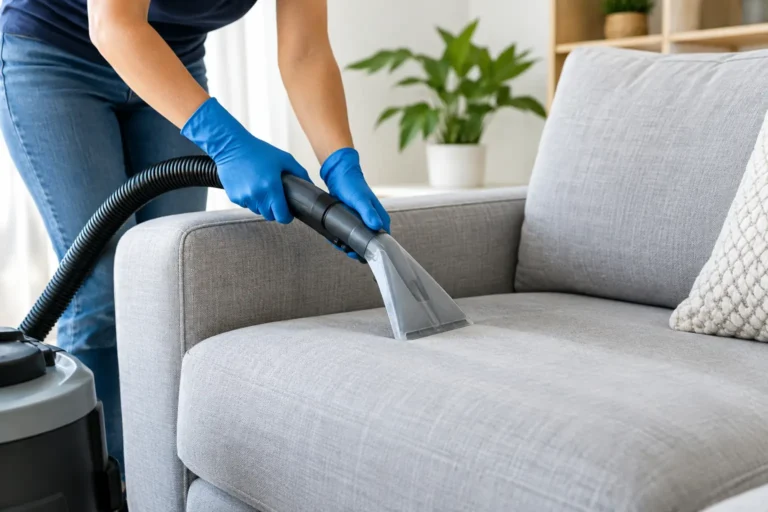
Blot or extract excess water if you have a wet vacuum, but avoid aggressive scrubbing. Scrubbing can distort carpet fibers and spread the stain. If you use towels, press firmly to absorb moisture rather than rubbing back and forth. Air movement helps, so fans and air conditioning can be useful in the early stage. Still, household drying methods often are not enough when water has reached the pad.
Be careful with store-bought spot removers. They can sometimes help with isolated spills, but water damage is different. The wrong product may set the stain, bleach the carpet, or leave residue that attracts more soil later. If the water came from flooding, sewage, or any questionable source, avoid DIY cleaning and treat it as a restoration job.
Why professional restoration usually gets better results
The main advantage is not just stronger equipment. It is the process. A trained team looks at the source of the water, how far it spread, what materials were affected, and whether the carpet can be safely saved. That kind of assessment matters because cleaning a contaminated carpet that should have been removed is not a good outcome.
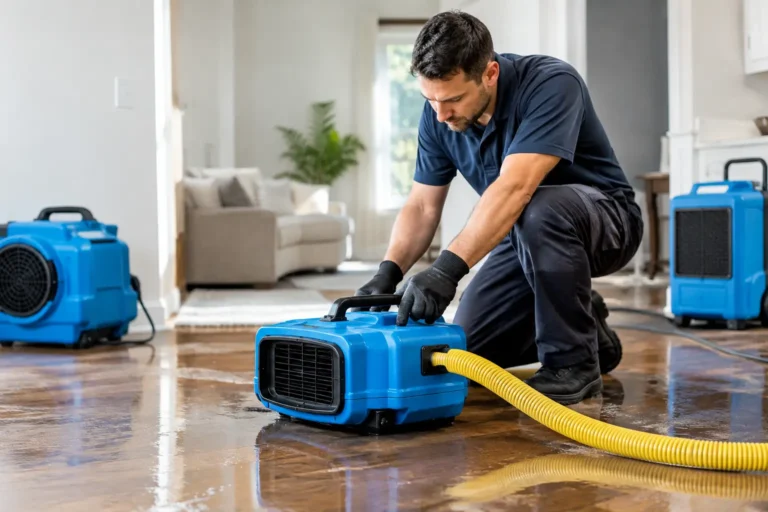
Professional extraction removes far more moisture than towels or consumer machines. Drying equipment is used to reduce moisture in the carpet, pad, and surrounding structure. Stain treatment can then be matched to the actual cause, whether that is soil wicking, tannin staining, rust, or another issue. Odor treatment may also be needed, especially when water sat too long.
For property managers and business owners, this is often the difference between a quick-looking fix and a stable result. Reappearing stains, lingering smell, and tenant or customer complaints usually trace back to moisture that was never fully handled the first time.
When carpet replacement is the better call
Not every carpet should be restored. If the water was contaminated, the carpet and pad may need removal for health and safety reasons. If there is visible mold growth, a strong persistent odor, or backing damage, replacement may be more practical than repeated cleaning attempts.
Age also matters. An older carpet with heavy wear may not respond well even if the stain can technically be treated. In those cases, putting money into restoration may not give you the value you want. A newer carpet in otherwise good condition is usually the best candidate for professional drying and stain removal.
This is one of those situations where honesty matters more than a one-size-fits-all answer. Sometimes restoration saves the carpet and the cost stays reasonable. Sometimes the safer and more cost-effective decision is targeted replacement.
How to reduce the chance of future staining
Water damage is not always preventable, but repeat carpet issues often are. Fast response is the biggest factor. The sooner water is extracted and the area is dried, the lower the chance of staining and odor.
Routine carpet cleaning also helps because built-up soil and residue make wick-back and discoloration worse after a leak. Regular maintenance gives you a cleaner base, so if water reaches the carpet, there is less trapped material available to rise to the surface. In homes with kids, pets, or high traffic, that difference can be significant.
It also helps to deal with the cause, not only the symptom. Appliance leaks, HVAC drainage issues, window intrusion, and plumbing problems will keep creating damage if they are not corrected. A clean carpet will not stay clean for long if moisture keeps returning.
For homeowners, renters, and property managers across the region, the biggest mistake is treating a water stain like a normal spill. Carpet stains from water damage can be simple, but they can also point to moisture below the surface, contamination, or early mold activity. If the stain keeps coming back, the carpet smells off, or the wet area was more than minor, it is worth having it properly assessed. A fast, careful response gives you the best chance to save the carpet and restore the space with confidence.