A stuffy bedroom, dust that returns right after cleaning, or a lingering odor after cooking can be more than a housekeeping frustration. This home air quality guide helps you identify what may be affecting the air inside your property, what you can improve yourself, and when professional cleaning is the practical next step.
Most people spend far more time indoors than they realize. For families, renters, property managers, and business owners throughout Maryland, Washington DC, and Northern Virginia, cleaner indoor air starts with looking beyond what is visible on a countertop or floor.
What Affects Air Quality Inside a Home?
Indoor air quality is shaped by the particles, moisture, gases, and odors circulating through a space. Some sources are obvious, such as pet hair on furniture or smoke from a fireplace. Others are easy to miss, including dust inside supply vents, residue in carpet fibers, excess moisture behind a wall, or lint collecting in a dryer vent.
The goal is not to create a perfectly particle-free home. That is unrealistic, especially in active households with children, pets, open windows, and daily cooking. The goal is to reduce avoidable buildup, control moisture, and make sure the systems that move air through your property are clean and working properly.
Common indoor air concerns include dust, pollen, pet dander, mold spores, smoke and soot, cleaning-product fumes, cooking particles, and volatile compounds released by some paints, furnishings, and fragrances. In a commercial setting, heavy foot traffic, upholstered seating, entryway carpets, and poorly maintained HVAC systems can add to the load.
Signs Your Indoor Air May Need Attention
You do not need specialized equipment to notice many air quality concerns. Start with what your property is telling you. A persistent musty smell, visible dust around registers, uneven airflow, recurring allergy symptoms indoors, or a dryer that takes longer to dry clothes can all point to a maintenance need.
Pay attention to patterns. If congestion, sneezing, headaches, or irritated eyes improve when you leave the building, indoor conditions may be contributing. These symptoms can have many causes, so they are not proof of an air quality problem on their own. Still, they are a good reason to inspect your cleaning routine, ventilation, humidity, and HVAC system.
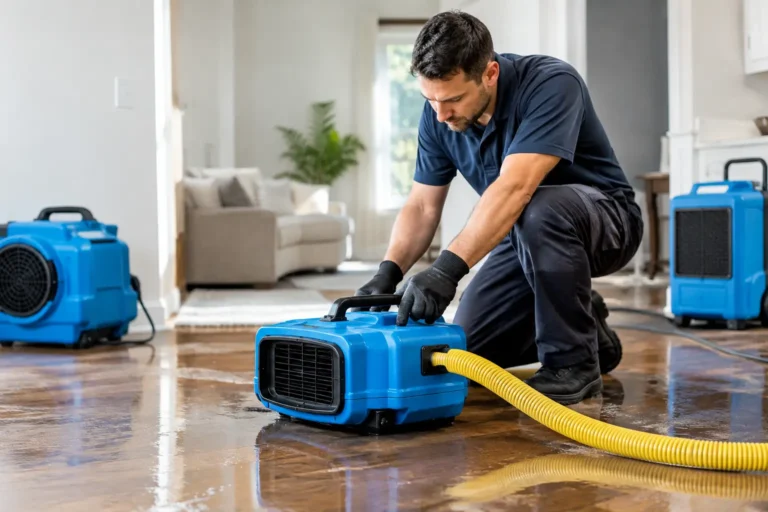
A recent water leak deserves prompt attention even if the floor looks dry. Moisture can remain in carpet padding, drywall, subfloors, and upholstery, creating conditions where odors and microbial growth may develop. Fast water damage restoration and thorough drying can protect both the property and the air inside it.
Start With the Air You Move Every Day
Your HVAC system continually circulates air through the home or business. When filters are overloaded or ducts contain heavy dust and debris, that material can be pushed back into occupied rooms. A clean filter is one of the simplest ways to support better airflow and reduce airborne particles.
Check the filter on the schedule recommended for your system and household conditions. Homes with pets, smokers, renovations, or high allergy concerns may need more frequent changes. Use the filter type your HVAC manufacturer recommends. A higher-rated filter can capture smaller particles, but a filter that is too restrictive for a particular system may reduce airflow. When in doubt, ask an HVAC professional what your equipment can handle.
When Air Duct Cleaning Makes Sense
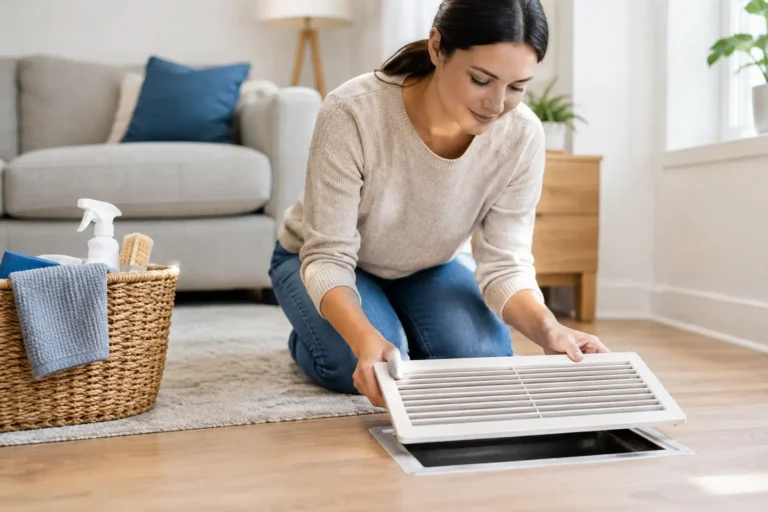
Air duct cleaning is not a substitute for routine filter changes or a solution for every indoor air complaint. It can be worthwhile when ducts show visible dust buildup, construction debris, pest-related contamination, signs of moisture, or particles blowing from vents. It may also be a sensible part of moving into a previously occupied property or finishing a renovation.
A professional service should focus on the full system, not only the vent covers. Technicians should inspect accessible components, remove accumulated debris with appropriate equipment, and explain what they found. Be cautious of vague, unusually low offers that do not describe the scope of work or pressure you into unnecessary add-ons.
Control Moisture Before It Becomes a Bigger Problem
Humidity has a direct effect on comfort, odors, and the likelihood of mold growth. Bathrooms, basements, laundry areas, kitchens, and properties with prior leaks need extra attention. Use exhaust fans during showers and cooking, repair plumbing leaks promptly, and avoid leaving wet rugs, towels, or clothing piled up indoors.
For most homes, keeping relative humidity in a moderate range helps reduce dampness without making the air uncomfortably dry. A basic humidity monitor can be useful in a basement or other problem area. If you see staining, warped materials, peeling paint, or a musty smell that keeps returning, do not cover it with fragrance. Find and correct the moisture source.
Water damage is one situation where speed matters. Drying only the visible surface may not be enough. Professional extraction, moisture measurement, and targeted drying help reduce the chance of long-term odor and material damage.
Clean the Surfaces That Hold Allergens and Odors
Dust does not stay in the air forever. It settles into carpets, area rugs, upholstery, mattresses, curtains, and corners that standard cleaning may not fully reach. Every movement through the room can send some of those particles back into the air.
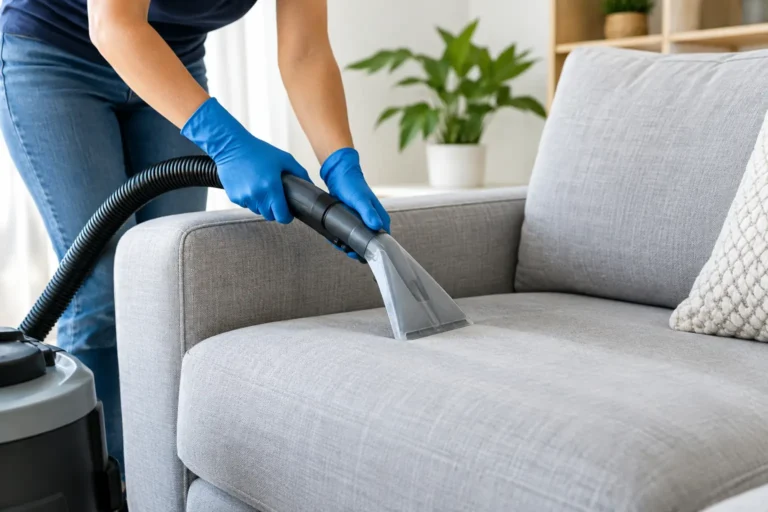
Vacuuming regularly with a well-maintained vacuum is helpful, particularly in high-traffic areas and homes with pets. Use slow passes rather than quick sweeps, and do not overlook upholstery, under furniture, and entryways. Washing bedding regularly can also reduce the buildup of skin flakes, pet dander, and dust mites where people spend hours each night.
Deep cleaning adds value when carpet fibers are visibly soiled, odors remain after routine cleaning, or a property has had heavy use. Professional carpet, rug, upholstery, mattress, and drapery cleaning can remove embedded soil that ordinary surface cleaning leaves behind. The right method depends on the material, stain history, drying conditions, and manufacturer recommendations. Delicate rugs and natural-fiber upholstery need a more careful approach than standard wall-to-wall carpet.
Do Not Forget Safety-Related Sources
Some air quality issues are tied to safety, not just cleanliness. Dryer vents collect lint over time, which can restrict airflow, lengthen drying cycles, and increase fire risk. If the outside dryer vent flap does not open properly, clothes take multiple cycles to dry, or the laundry room feels unusually hot, schedule an inspection and cleaning.
Fireplaces and chimneys also need regular care. Soot, creosote, nesting material, and blockages can affect draft and create hazards. If you use a wood-burning fireplace, an annual chimney inspection is a sensible baseline. The right cleaning interval depends on how often you use it and what the inspection finds.
Carbon monoxide and smoke alarms are another essential layer of protection. Test them regularly, replace batteries as needed, and follow the manufacturer’s replacement schedule. If a carbon monoxide alarm sounds, leave the building and contact emergency services or the appropriate utility provider.
A Practical Home Air Quality Guide for Everyday Habits
Small routines work best when they are easy to repeat. Keep exterior doors and windows closed during high-pollen days if allergies are a concern, then clean entryway floors and mats so outdoor debris is not tracked throughout the property. Use kitchen ventilation while cooking, especially when frying or searing foods. Avoid running vehicles, grills, or fuel-burning equipment in enclosed or attached spaces.
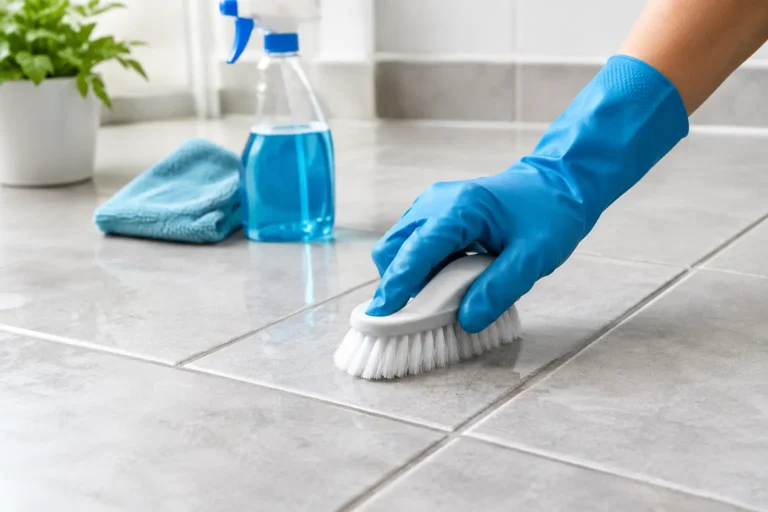
Be selective with fragrances and cleaning products. Strong scents can mask odors without addressing their source, and some people are sensitive to sprays, candles, or air fresheners. Choose products appropriate for the surface, use them as directed, and ventilate the space when fumes are noticeable.
An air purifier can help in certain rooms, particularly bedrooms or spaces used by allergy-sensitive occupants. It is not a replacement for cleaning, moisture control, or proper ventilation. Choose a unit sized for the room, maintain it according to instructions, and treat it as one part of a broader plan.
When to Call a Professional
Call for professional help when there is visible mold-like growth, ongoing musty odor, water damage, smoke or soot residue, poor dryer performance, chimney buildup, or heavy debris in ducts. These problems can worsen when they are delayed or handled with the wrong equipment.
DMV Dream Clean provides specialty cleaning and restoration services designed to address the sources that routine cleaning cannot always reach. A clear assessment and customized service plan can help you focus on the work that will make the biggest difference for your property.
Clean air is built through steady maintenance, quick action after moisture or smoke problems, and professional support when the issue goes beyond a standard cleaning day.