A sofa can look clean and still hold a surprising amount of dust, pet dander, pollen, and other particles that can aggravate allergies. Knowing how to remove allergens from upholstery helps create a healthier home or business without risking water marks, fabric damage, or lingering odors.
Upholstered furniture acts like a filter. Every time someone sits down, shifts a cushion, brings in outdoor pollen on clothing, or pets climb onto the furniture, small particles settle into the fabric and cushion filling. Regular vacuuming helps, but occasional deep cleaning is what removes the buildup ordinary surface cleaning leaves behind.
Why Upholstery Can Trigger Allergy Symptoms
Allergens do not always stay visible on the surface. Dust mites feed on organic material such as shed skin cells, while pet dander and pollen can work their way into seams, creases, and cushion edges. Fabrics with a textured weave, loose cushions, or heavy use tend to hold more debris.
For sensitive family members, this buildup may contribute to sneezing, itchy eyes, congestion, coughing, or worsened asthma symptoms. In commercial spaces, dirty waiting-room chairs, office seating, and fabric partitions can also affect comfort and the overall impression of the property.
The goal is not to make a room sterile. It is to reduce the concentration of common allergens through safe, consistent cleaning and proper indoor maintenance.
How to Remove Allergens From Upholstery Step by Step
Start by Checking the Furniture Care Tag
Before using moisture, heat, or a cleaning solution, find the manufacturer’s cleaning code. It is often attached beneath a cushion or on the underside of the furniture.
A code marked W can generally be cleaned with water-based products. S means solvent-based cleaning only. WS indicates either approach may be acceptable, while X means the piece should only be vacuumed or professionally cleaned. When the tag is missing, test any method on a small hidden section first.
This step matters because the wrong cleaner can cause shrinking, fading, rings, or fabric distortion. Delicate materials such as silk, velvet, antique upholstery, and some natural fibers deserve extra caution.
Vacuum More Thoroughly Than Usual
Use a vacuum with a sealed filtration system or HEPA filter whenever possible. A standard vacuum can pick up larger crumbs and hair, but strong filtration helps prevent fine particles from blowing back into the room.
Vacuum the entire piece slowly, using the upholstery attachment. Remove cushions and clean both sides, the platform beneath them, the arms, the back, and every seam. A crevice tool is especially useful around buttons, piping, and cushion zippers where dander and dust collect.
For homes with pets or active allergy symptoms, vacuuming upholstered furniture once a week is a practical routine. In lower-traffic rooms, every two to four weeks may be enough.
Remove Pet Hair Before It Becomes Embedded
Pet hair traps dander and makes vacuuming less effective when it is woven into fabric. A clean, dry rubber glove, lint brush, or upholstery brush can lift hair from the surface before vacuuming. Work in one direction and clean the tool as it fills.
Avoid aggressive scraping or stiff brushes on delicate upholstery. If the fabric begins to pill or fray, stop and use a gentler method. The right approach depends on the material and condition of the furniture.
Spot Clean Stains Without Soaking the Fabric
Food spills, body oils, and pet accidents can create residues that hold dirt and odors. Treat stains promptly with a cleaner approved for the upholstery code. Apply it lightly to a clean cloth rather than saturating the furniture directly.
Blot from the outside of the stain toward the center. Rubbing can spread the stain, push soil deeper into the fibers, and roughen the fabric. Use a second lightly damp cloth to remove residue if the care instructions allow it, then blot dry with a towel.
Do not rely on heavily fragranced sprays to solve an allergen problem. They may cover odors temporarily, but they do not remove the underlying dust, dander, or buildup. Some people with sensitivities may also react to strong fragrances.
Deep Clean When Surface Vacuuming Is Not Enough
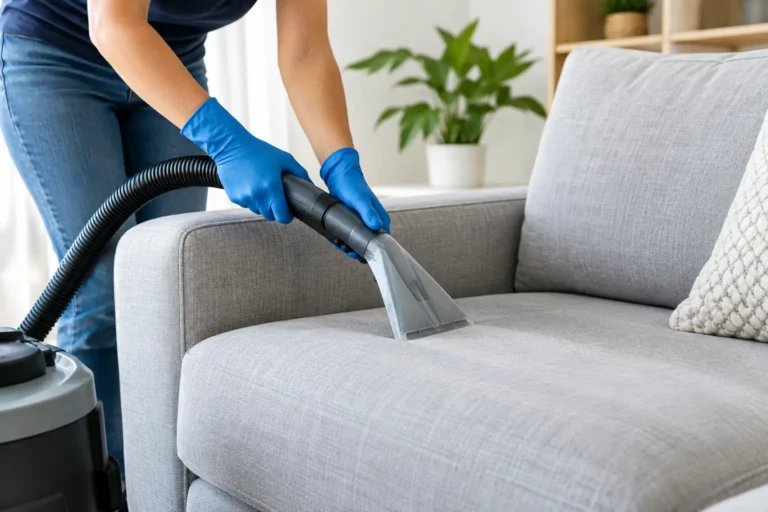
Professional upholstery cleaning can remove deeply embedded soil, allergen-carrying debris, and residue from everyday use. The best method depends on the fabric, construction, soil level, and drying conditions.
Hot water extraction is often effective for durable, water-safe upholstery, but it must be performed with controlled moisture and thorough extraction. Too much water can leave a damp smell, create water marks, or increase the risk of mold growth inside cushions. Low-moisture methods may be a better fit for delicate fabrics or furniture that needs a faster drying time.
A trained technician should inspect the upholstery first, identify the fabric type, pre-treat appropriate areas, and use a process designed to avoid over-wetting. For heavily used sofas, sectionals, recliners, dining chairs, and office seating, professional service is often the safest way to achieve a noticeable reset.
Reduce the Allergens That Land on Furniture
Cleaning upholstery works best when the rest of the room is not constantly adding more allergens back to it. Wash throw blankets, removable cushion covers, and pet bedding regularly. These items collect much of the same dust and dander found on furniture.
Keep windows closed during high-pollen days if outdoor allergies are a concern. Entryway mats, shoe removal, and regular floor cleaning can reduce the pollen and soil tracked inside. If pets use the sofa, brushing them regularly and washing their bedding can make a meaningful difference.
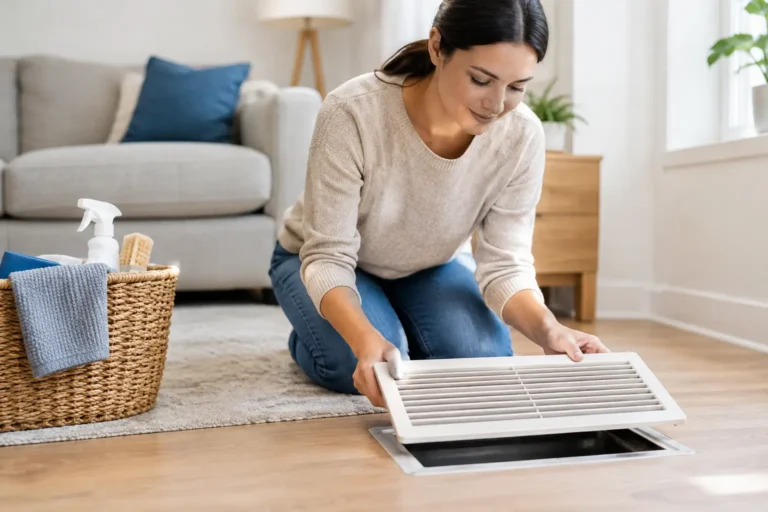
Indoor air also matters. Replacing HVAC filters on schedule and having air ducts cleaned when there is visible dust buildup, recent renovation debris, or recurring air-quality concerns can help reduce airborne particles that settle on upholstery. The exact timing depends on the household, pets, smoking, local pollen levels, and how often the HVAC system runs.
Common Mistakes to Avoid
More cleaning solution is not better. Overapplying shampoo, detergent, or homemade mixtures can leave a sticky residue that attracts more soil. Excess moisture is another common mistake, especially with thick cushions or furniture that cannot dry quickly.
Steam should also be used carefully. While heat can be useful on some materials, it can damage fabric backing, loosen adhesives, set certain stains, or cause shrinkage. Do not steam upholstery unless the manufacturer’s instructions allow it and you understand how the fabric responds to heat and moisture.
Finally, avoid assuming every piece can be treated the same way. A microfiber sectional, a velvet accent chair, and a vintage upholstered dining set may require very different cleaning methods.
When to Schedule Professional Upholstery Cleaning
Consider professional help if allergy symptoms become more noticeable in a particular room, the furniture has a persistent odor, pets regularly use the upholstery, or the cushions look dull even after vacuuming. It is also a smart service before moving into a home, after a tenant turnover, following a renovation, or before hosting guests in a high-use space.
For many households, professional upholstery cleaning every 12 to 18 months is a reasonable starting point. Families with pets, children, allergies, or heavy daily use may benefit from more frequent service. Businesses may need cleaning on a schedule that reflects foot traffic, customer-facing standards, and the type of seating they maintain.
DMV Dream Clean provides professional upholstery cleaning for homes and businesses throughout the DMV area, with a focus on safer cleaning, visible results, and convenient scheduling. An experienced inspection can help determine the right method for your furniture instead of relying on a one-size-fits-all treatment.
A cleaner sofa or chair is not just about appearance. When upholstery is regularly vacuumed, carefully spot treated, and professionally deep cleaned when needed, it becomes easier to maintain a space that feels fresher, more comfortable, and more welcoming for everyone who uses it.