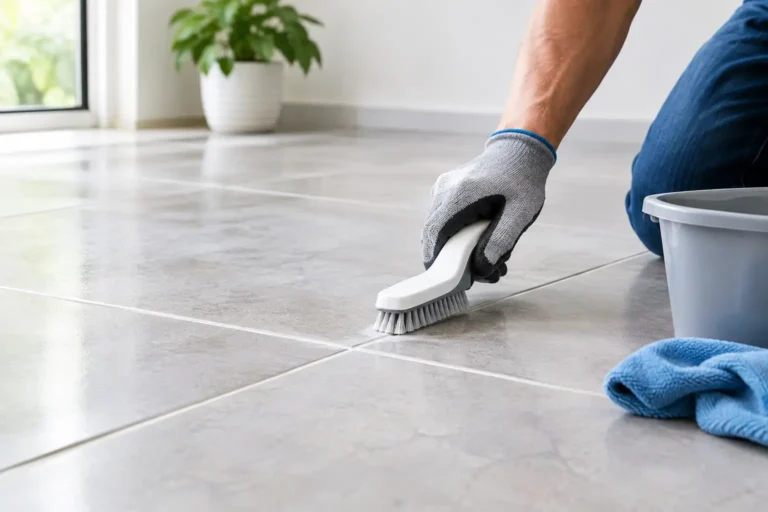
A tile floor can be freshly mopped and still look dirty. In many kitchens, bathrooms, entryways, and commercial spaces, the problem is not the tile at all. It is the grout lines holding years of moisture, soap residue, cooking grease, foot traffic, and ground-in soil. Professional tile grout restoration addresses that buildup at its source, bringing back a cleaner, more cared-for appearance without the expense and disruption of replacing tile.
For property owners across Maryland, Washington DC, and Northern Virginia, this is often one of the most noticeable improvements you can make to a room. Clean grout changes the entire look of a floor, shower, backsplash, or lobby.
What Tile Grout Restoration Actually Includes
Grout is porous, which means it can absorb dirt and liquids much more easily than glazed tile. Over time, ordinary mopping may clean the tile surface while pushing dirty water into the grout lines. That leaves grout looking dark, uneven, stained, or permanently discolored.
Tile grout restoration is more than a quick scrub with a store-bought cleaner. A professional service generally begins with an inspection of the tile, grout condition, stains, and surrounding surfaces. The cleaning approach should match the material and the source of the buildup. Bathroom grout may need attention for soap scum and mildew staining, while kitchen or restaurant flooring may have grease and heavy traffic soil.
Technicians use professional-grade cleaning solutions and equipment to loosen embedded grime, agitate grout lines safely, and extract the residue. When appropriate, grout can also be sealed after cleaning to help reduce future absorption and make regular maintenance easier. In cases where grout is cracked, missing, or deeply damaged, cleaning alone may not be enough. Repair or regrouting may be the better long-term option.
Signs Your Grout Needs Professional Attention
The clearest sign is grout that remains dark after routine cleaning. But discoloration is not the only reason to schedule service. If a shower floor has pink, orange, black, or gray staining that keeps returning, moisture and residue may be settling into porous grout. In a busy entryway, dark traffic paths can make an otherwise clean property look neglected.
You may also notice grout lines that feel rough, chalky, or uneven. This can happen as cleaners, moisture, and daily wear break down the surface over time. A professional inspection can help separate a cleanable appearance issue from a repair issue before you spend money on the wrong solution.
For businesses, grout condition affects more than appearance. Dirty restroom tile, lobby floors, break rooms, and customer-facing entryways can create a poor first impression. Regular restoration helps maintain a cleaner environment and protects the investment in hard-surface flooring.
Why DIY Grout Cleaning Often Falls Short
There is nothing wrong with routine home maintenance. Sweeping, vacuuming, and damp mopping help prevent loose soil from building up. The challenge starts when deep stains are already embedded in grout pores.
Many do-it-yourself products rely on harsh acids, bleach, or abrasive scrubbing. These may lighten a stain temporarily, but they can also weaken grout, damage certain tile finishes, irritate skin and lungs, or leave behind residue that attracts more dirt. Mixing cleaning chemicals is especially risky, particularly in small bathrooms with limited ventilation.
A stiff brush and elbow grease can work for a small, recent spot. It is much less practical for an entire kitchen floor, several bathrooms, or a commercial property with hundreds of square feet of tile. Professional equipment provides more consistent cleaning while reducing the time, physical effort, and guesswork involved.
The Right Approach Depends on the Room
Not every tile surface should be treated the same way. Ceramic and porcelain tile are common and durable, but natural stone such as marble, travertine, limestone, and slate needs more specialized care. The wrong cleaner can etch, dull, or discolor stone surfaces.
Bathrooms also require a different focus than kitchens. In showers, technicians look at soap scum, mineral deposits, mildew staining, and areas that stay damp. In kitchens, grease and food residue can be the main problem. On commercial floors, the cleaning plan often centers on foot traffic patterns, slip safety, business hours, and minimizing disruption to employees or customers.
This is why a free quote and surface assessment are useful before service begins. A reliable provider should explain what can reasonably be restored, what may remain after cleaning, and whether sealing or repair is recommended. Honest expectations matter, especially with older grout that has permanent staining or physical damage.
What to Expect During Professional Grout Restoration
A well-planned service should feel straightforward. First, the work area is evaluated and prepared to protect nearby surfaces. Loose debris is removed, and the technician identifies areas with heavy staining, buildup, or possible grout damage.
Next, the grout and tile receive the appropriate treatment for the surface type and condition. Cleaning solutions are applied as needed, then the grout lines are agitated with specialized tools. The released soil is rinsed and extracted rather than simply spread across the floor. This step makes a major difference in the final result.
After cleaning, the surface is inspected. Some floors benefit from grout sealing once the grout has dried. Sealant does not make grout maintenance-free, but it can create a protective barrier that slows the absorption of spills, dirt, and moisture. This is particularly helpful in kitchens, bathrooms, mudrooms, and other high-use areas.
Drying time varies based on the flooring material, humidity, ventilation, and extent of cleaning. Your technician should provide practical guidance about when the surface can be used and how to care for it afterward.
Keeping Grout Cleaner After Restoration
The best maintenance plan is simple enough to follow. Sweep or vacuum tile floors regularly so grit does not settle into grout lines. Use a neutral cleaner that is appropriate for your tile type, and avoid flooding floors with water during mopping. Too much dirty water can settle into porous grout instead of lifting away.
In showers, use ventilation during and after bathing. A quick rinse or squeegee can limit soap residue and moisture buildup on tile and grout. Address spills promptly in kitchens and entryways, especially oil, coffee, wine, pet accidents, and other staining substances.
If grout has been sealed, follow the technician’s care instructions. Sealer wears down over time, especially in high-traffic areas, so periodic professional cleaning and resealing may be worthwhile. The right schedule depends on how the space is used. A lightly used guest bathroom may need less attention than a family kitchen, rental turnover property, daycare, restaurant, or office restroom.
When Cleaning Is Not Enough
Restoration can make a dramatic difference, but it cannot repair every grout problem. Crumbling grout, missing sections, deep cracks, loose tile, and signs of water behind a shower wall need further evaluation. Cleaning damaged grout without addressing the cause may only improve the appearance for a short time.
A persistent musty odor, soft flooring near a tiled area, or recurring dark stains may point to a moisture issue. In that situation, it is better to investigate early than wait for a larger repair. Property care is often about catching small problems before they become expensive ones.
For routine grime, stubborn discoloration, and high-traffic buildup, DMV Dream Clean provides professional tile and grout cleaning designed to deliver visible results with a practical, customer-focused process. A cleaner grout line can make a room feel renewed, and it is one of those details guests, tenants, customers, and family members notice right away.
When your tile still looks tired after every mop, the answer may not be replacement. The right restoration service can give the surface a cleaner start and help you protect it for the years ahead.