A rental turnover can move fast, but skipping key cleaning details can cost time, security-deposit money, and tenant confidence. This rental property cleaning checklist helps renters, landlords, and property managers prepare a home for move-out or move-in with a clear focus on cleanliness, safety, and the condition of the property.
A quick surface clean may make a unit look acceptable at first glance. A proper turnover clean goes further. It removes the buildup a new tenant will notice right away, helps reveal maintenance concerns, and creates a healthier indoor space. The best approach is to clean after furniture and personal belongings are removed, then complete a final walkthrough in good lighting.
Start With Documentation and a Walkthrough
Before cleaning, take dated photos or videos of every room. Capture floors, walls, appliances, fixtures, windows, closets, and any existing damage. This protects everyone involved by creating a clear record of the property’s condition.
Walk through the unit with the original move-in checklist if one is available. Look for holes in walls, missing hardware, broken blinds, stains, water marks, pest evidence, and signs of moisture around sinks, toilets, and appliances. Cleaning does not replace repairs, but a detailed clean often makes repair needs easier to see.
Open windows when weather and security allow. Turn on lights, test exhaust fans, and check for unusual odors. A musty smell, for example, may point to trapped moisture, dirty carpets, a drain issue, or water damage that needs attention before the next resident arrives.
Rental Property Cleaning Checklist: Room by Room
A room-by-room process prevents missed areas and keeps the job organized. Work from high surfaces down to the floors, and save final vacuuming or mopping until the end.
Kitchen
The kitchen is one of the most closely inspected areas in a rental. Grease, food residue, and appliance buildup can make an otherwise clean unit feel neglected.
- Empty cabinets and drawers, then vacuum crumbs and wipe interior and exterior surfaces.
- Clean countertops, backsplashes, sinks, faucets, and cabinet handles.
- Degrease the stovetop, burner grates, control knobs, oven door, and range hood.
- Clean the oven interior according to the manufacturer’s guidance. Heavy baked-on residue may need professional attention.
- Remove food and shelves from the refrigerator, wash drawers and shelves, and wipe door seals. Leave the appliance dry and odor-free.
- Clean the microwave inside and out, including the turntable and handle.
- Wipe the dishwasher filter area, door edges, and detergent compartment.
- Sweep and mop beneath movable appliances when possible.
Do not overlook the garbage disposal if the kitchen has one. Run water while checking for odors or poor drainage. Never pour harsh drain chemicals into a disposal or plumbing system unless the product is specifically approved for that use.
Bathrooms
Bathrooms need more than a quick wipe-down. Soap scum, mineral deposits, hair, and mildew can collect in areas that are easy to miss during regular cleaning.
Clean and disinfect the toilet, including the seat hinges, base, exterior, and surrounding floor. Scrub the tub or shower walls, floor, doors, tracks, fixtures, and drain cover. Pay close attention to grout and caulk. Discoloration may be a cleaning issue, but cracked or missing caulk should be reported because it can allow water behind walls or flooring.
Wipe mirrors, vanity tops, sinks, faucets, cabinets, towel bars, light switches, and vent covers. Empty all drawers and medicine cabinets. Finish by mopping the floor edges, especially behind the toilet and around the vanity.
Bedrooms, Living Areas, and Hallways
Remove nails, hooks, adhesive strips, and temporary wall mounts only if permitted by the lease. Patch small holes carefully and touch up paint when appropriate. Large holes, peeling paint, or damaged drywall should be addressed properly rather than covered with a rushed repair.
Dust ceiling fan blades, vents, light fixtures, window sills, blinds, baseboards, doors, trim, shelves, and closet rods. Wipe fingerprints from light switches, door handles, and outlet covers. These small details make a significant difference during a final inspection.
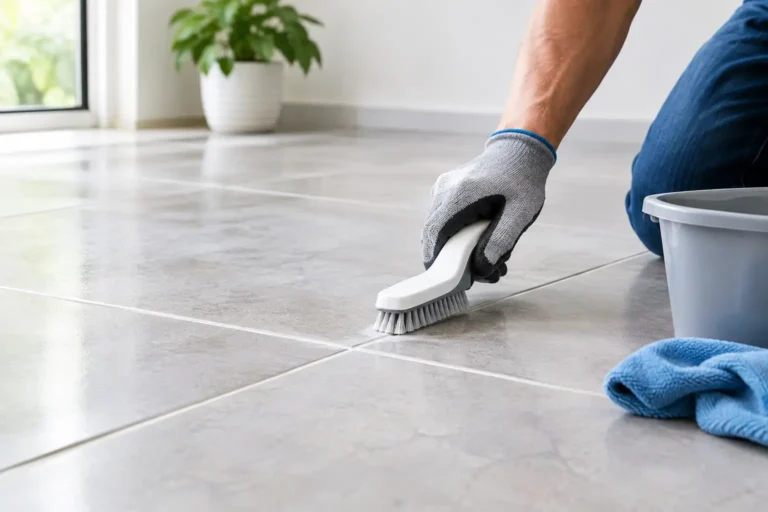
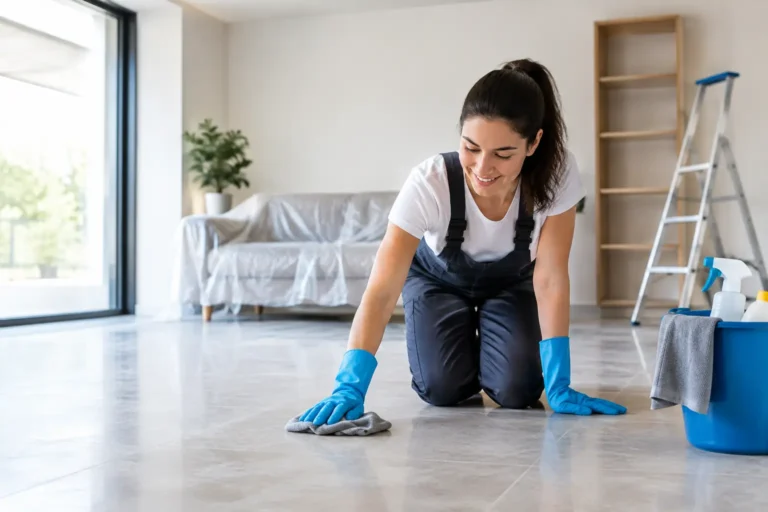
For hard floors, vacuum first to remove grit that can scratch surfaces during mopping. Use a floor cleaner that matches the material. Too much water on laminate, hardwood, or damaged flooring can cause swelling or additional damage.
Carpets deserve a closer look. Vacuum slowly in more than one direction, then inspect for stains, pet odor, traffic patterns, and debris along baseboards. Rental agreements often require carpet cleaning at move-out, particularly when pets were present. Professional carpet cleaning can be worthwhile when stains, odors, or embedded soil remain after vacuuming.
Windows, Doors, and Storage Areas
Clean interior window glass, tracks, sills, and blinds. Check screens for tears and locks for proper operation. Exterior window cleaning may be limited by access, property rules, or safety concerns, so do not take unnecessary risks on upper-level windows.
Wipe both sides of interior doors and clean around knobs, locks, hinges, and door frames. Empty closets, storage rooms, and utility areas completely. Sweep corners where dust, cobwebs, and pests often collect.
Do Not Skip Air, Vent, and Safety Checks
A clean unit should also feel safe and fresh. Replace HVAC filters when the lease or property policy assigns that responsibility to the tenant. A dirty filter can restrict airflow and contribute to dust throughout the home.
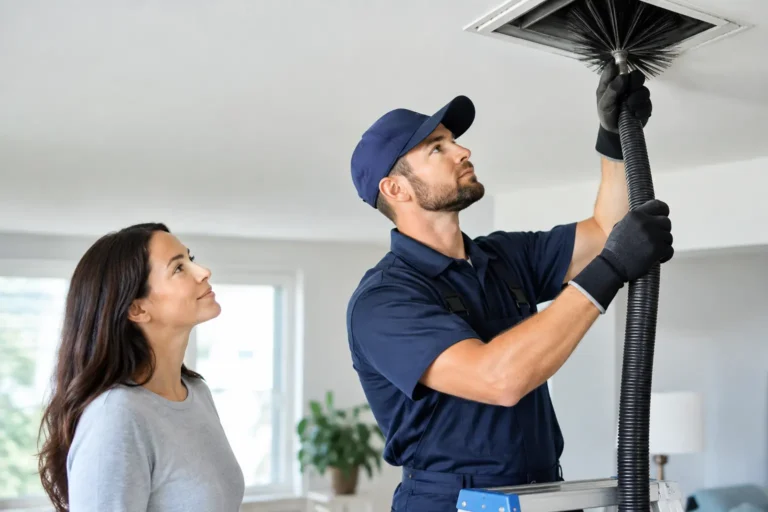
Vacuum accessible return-air grilles and wipe supply vent covers. If the property has visible dust blowing from vents, persistent odors, allergy concerns, or evidence of construction debris, the ductwork may need a professional inspection and cleaning. Vent covers are easy to clean, but they are not the same as cleaning the full HVAC system.
Check smoke alarms and carbon monoxide detectors according to local requirements and property procedures. Test them when appropriate, note units with missing batteries, and report any device that does not work. If there is a fireplace, do not assume the chimney is ready because the hearth looks clean. Soot buildup and chimney safety require a separate evaluation.
Dryer vents are another commonly missed item. Lint should be removed from the lint trap after every load, but lint can also collect inside the vent line over time. Slow drying, a hot laundry area, or a burning smell are warning signs that should not wait until the next turnover.
Know When Cleaning Turns Into a Repair Issue
Some conditions need more than standard cleaning. Water stains on ceilings, bubbling paint, soft flooring, warped baseboards, and a persistent damp smell can indicate an active or previous water problem. Cleaning over these signs may hide the issue temporarily while allowing damage to spread.
Similarly, dark staining around vents, extensive mold-like growth, strong smoke odor, or animal waste should be handled carefully. The right response depends on the source, the affected materials, and the size of the problem. Property managers should document the condition and arrange qualified service when the work involves health risks, restoration, or specialized equipment.
For renters, report these concerns before move-out rather than trying to disguise them. For landlords, addressing them before the next tenant moves in protects the property and sets a better standard for the lease.
Final Turnover Walkthrough
Once cleaning is complete, walk the property one more time as if you were seeing it for the first time. Stand in each doorway and look at the room as a whole. Check corners, ceiling lines, floor edges, appliance interiors, closets, and the areas behind doors.
Confirm that all personal belongings and trash are removed. Return keys, garage remotes, mailbox keys, parking passes, and access fobs according to the lease instructions. Take final photos after the unit is clean and empty.
For demanding turnovers, specialty cleaning can save time and help protect the condition of high-use surfaces. DMV Dream Clean provides professional carpet, upholstery, tile and grout, air duct, dryer vent, and restoration services for properties across the DMV area. A professional visit can be especially helpful when the work involves odors, deep staining, indoor air concerns, or water-related damage.
A clean rental is not only about passing an inspection. It gives the next resident a safer, more comfortable start and helps owners keep their property in better condition from one lease to the next.