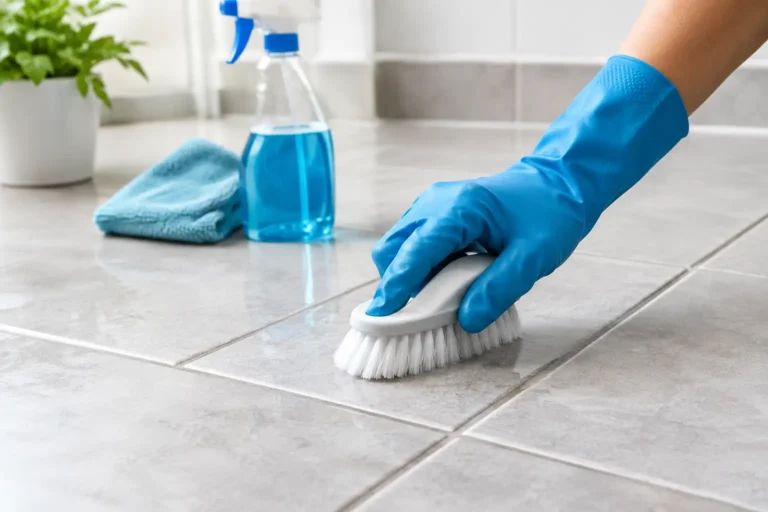
Grout can make an otherwise clean kitchen floor or bathroom look neglected. Because it is porous, it holds onto soap residue, cooking grease, tracked-in dirt, and moisture more easily than tile does. Knowing how to clean tile grout with the right method helps restore a brighter appearance without scratching tile, weakening grout joints, or filling the room with harsh fumes.
The best approach depends on what is causing the discoloration. A light gray film needs a different treatment than mildew in a shower or greasy buildup around a commercial kitchen backsplash. Start gently, give the cleaner time to work, and move to stronger options only when needed.
Start With the Right Tools and Expectations
Before cleaning, sweep or vacuum the floor and wipe loose dust from wall tile. If you apply cleaner over dirt and debris, you can end up rubbing grit into the grout and making the work harder.
For most routine grout cleaning, you will need warm water, a pH-neutral tile cleaner or mild dish soap, a spray bottle, a nylon grout brush, microfiber cloths, and a bucket. A narrow grout brush works best because it reaches the joint without putting too much pressure on the tile edges. An old toothbrush can work for a small area, but it is not ideal for an entire bathroom or floor.
Avoid wire brushes, steel wool, and highly abrasive scouring pads. They can scratch glazed tile, wear down grout, and leave behind tiny surface damage that collects more dirt later. Also avoid mixing cleaning products. Bleach, ammonia, acids, and other cleaners can create dangerous fumes when combined.
How to Clean Tile Grout With a Mild Solution
For everyday dirt, begin with warm water and a pH-neutral cleaner made for tile and grout. Spray the area or apply the solution with a sponge, then let it sit for five to 10 minutes. This dwell time matters. It allows the cleaner to loosen residue instead of forcing you to scrub aggressively.
Scrub in short sections with a nylon brush using steady, moderate pressure. Work along the grout line rather than across the tile surface. Rinse the area with clean water and wipe it dry with a microfiber cloth. On floors, change your rinse water often so you are not spreading dirty water back into the grout.
This method is often enough for kitchens, entryways, and lightly soiled bathroom floors. It is also the safest starting point for colored grout, older grout, and natural stone installations where harsh chemistry can cause permanent damage.
A note about baking soda
A baking soda paste can help lift localized stains when mild cleaner alone is not enough. Mix baking soda with a small amount of water until it forms a spreadable paste, apply it to the grout, and let it sit for about 10 minutes before scrubbing and rinsing.
Baking soda is mildly abrasive, so use it carefully and do not make it your go-to method for every weekly cleaning. It is also not a disinfectant. If mildew is the issue, you need a product that is appropriate for mildew removal and safe for your specific tile and grout.
Treat Bathroom Mildew Carefully
Dark spots in shower grout are commonly caused by mildew, moisture, soap scum, or a combination of all three. Cleaning can improve the appearance, but the stain may return if the bathroom stays damp after every shower.
Use a bathroom cleaner labeled for tile and grout or mildew removal, following the product directions exactly. Ventilate the room, wear gloves, and avoid splashing the cleaner onto towels, rugs, painted surfaces, or natural stone. Let the product sit for the recommended time, scrub gently, rinse thoroughly, and dry the area.
If the grout remains dark after cleaning, the problem may be staining below the surface or grout that is deteriorating. Repeatedly applying stronger chemicals is not always the answer. In some cases, professional deep cleaning, grout color sealing, repair, or replacement is the more practical solution.
To reduce future buildup, run the bathroom exhaust fan during showers and for at least 20 minutes afterward. Use a squeegee on shower walls, leave the shower door or curtain open for airflow, and repair plumbing leaks promptly. Those small habits reduce the moisture that mildew needs to grow.
Remove Grease From Kitchen Grout
Kitchen grout often looks darker near ranges, sinks, islands, and high-traffic paths because grease binds to dust and food particles. Water alone may not cut through this film.
Use a tile-safe degreasing cleaner and test it first in a hidden area. Apply it in a manageable section, allow the recommended dwell time, then scrub the grout with a nylon brush. Wipe away the loosened soil before rinsing. If you mop first, the greasy residue can spread across nearby grout lines.
For commercial kitchens, break rooms, and customer-facing tile floors, regular professional cleaning can be a smart maintenance choice. Grease and foot traffic can quickly make grout look uneven, and a cleaner work environment supports the appearance and upkeep of the property.
Do Not Use Acid on Every Type of Tile
Acidic cleaners may be marketed as powerful grout solutions, but they are not safe for every surface. Vinegar, lemon juice, and many acid-based cleaners can etch marble, travertine, limestone, and other natural stone. They can also weaken cement-based grout over time, especially with repeated use.
Ceramic and porcelain tile may tolerate certain stronger products, but grout condition, sealant, age, and previous damage still matter. If you are unsure what material you have, choose a pH-neutral cleaner until you can confirm it. This is particularly important in older homes, rental properties, and spaces where tile may have been installed years ago without clear product records.
Rinse and Dry More Than You Think You Need To
One of the most common mistakes in grout cleaning is leaving cleaner behind. Residue can attract dirt, create a dull film, and make floors feel sticky. After scrubbing, rinse with clean water until the surface no longer feels slick, then dry the tile and grout with a clean towel or microfiber mop.
Drying is especially useful in bathrooms and on textured floor tile. It prevents standing water from settling back into grout lines and lets you see whether the discoloration has actually lifted. Grout often looks darker while wet, so wait until it is fully dry before deciding whether another treatment is necessary.
Seal Grout After Deep Cleaning
Once grout is clean and completely dry, sealing can help protect it from future staining. A quality penetrating grout sealer reduces how quickly water, oils, and spills absorb into porous grout. It does not make grout maintenance-free, but it makes routine cleaning more effective.
Read the sealer label to confirm it is compatible with your tile and grout. Apply it carefully along the grout lines, wipe excess product from the tile promptly, and allow the required curing time. In high-moisture showers and busy entryways, sealer may need to be reapplied periodically.
If water no longer beads on the grout and instead soaks in quickly, the sealer may be wearing off. That is a useful sign to schedule maintenance before deep stains take hold.
When Professional Tile and Grout Cleaning Makes Sense
DIY cleaning is a good fit for routine upkeep and light surface stains. Professional help is worth considering when grout is deeply discolored, widespread staining keeps returning, floors have years of buildup, or you are preparing a home or commercial space for tenants, guests, or customers.
Experienced technicians can use professional-grade equipment and appropriate cleaning solutions to lift embedded soil more effectively than hand scrubbing alone. They can also identify when grout needs sealing, color restoration, repair, or replacement instead of another round of harsh cleaner.
For homeowners, renters, property managers, and businesses in Maryland, Washington DC, and Northern Virginia, DMV Dream Clean provides tile and grout cleaning designed to improve the appearance and cleanliness of hard-surface areas without unnecessary guesswork. A free quote can help you decide whether a professional service is the right next step for your property.
Clean grout is not about chasing a perfectly white line forever. It is about using safe maintenance habits, addressing moisture and spills early, and getting qualified help when the buildup is more than a brush and cleaner can reasonably handle.