A single smoky cooking incident can leave more behind than a lingering smell. Fine soot and oily residue can settle on painted walls, ceilings, cabinets, vents, and fabrics – often reaching rooms far from the source. Smoke residue on walls cleanup needs the right approach from the start, because wiping incorrectly can press soot deeper into the surface, spread staining, and create a bigger restoration job.
Whether the smoke came from a fireplace, burnt food, candles, an electrical issue, or a fire, the priority is the same: protect the people in the property, prevent additional damage, and remove the residue without harming the finish underneath.
Why Smoke Residue Is Harder to Clean Than It Looks
Smoke particles are extremely small. They travel through the air, settle in uneven layers, and cling to porous materials. What appears to be a light gray film may also contain oily deposits, odor-causing compounds, or acidic residue that can discolor paint and corrode certain surfaces over time.
The type of smoke matters. Dry smoke from a fast-burning fire is usually powdery and easier to lift from hard surfaces. Wet smoke, often caused by slow-burning materials or kitchen grease, leaves a sticky, smeared residue that requires more careful cleaning. Protein smoke from burnt food can be nearly invisible while producing a strong, unpleasant odor. If the source was a significant fire, residue may also be present inside air ducts, upholstery, carpeting, and other areas that are not immediately visible.
This is why a quick pass with a wet rag is rarely the best first move. Water can cause loose soot to streak, especially on flat paint, textured walls, and ceilings.
Start With Safety and a Clear Assessment
Before cleaning, make sure the source of the smoke has been addressed. If there was a fire, electrical malfunction, chimney issue, or appliance problem, do not use the affected system until it has been inspected or repaired. If you smell strong smoke, notice visible soot throughout the property, or experience eye or throat irritation, ventilate the area when conditions allow and limit time in the affected rooms.
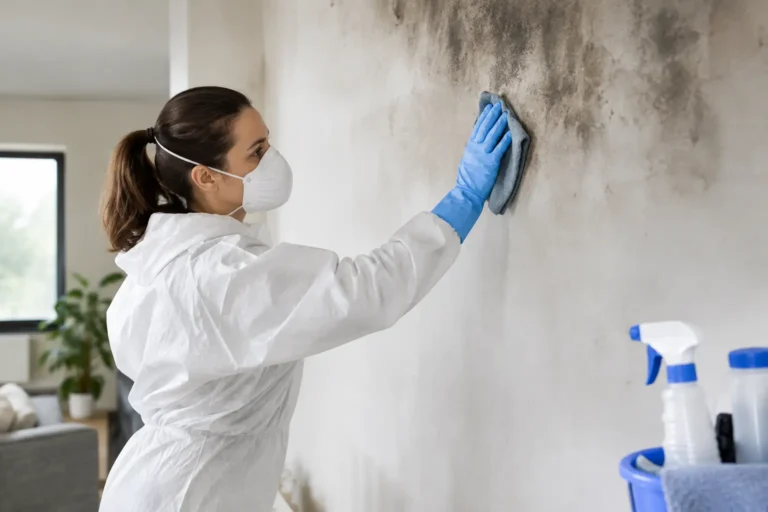
Wear gloves, eye protection, and a well-fitting mask when handling visible soot. Keep children, pets, and anyone with asthma or respiratory sensitivities away from the work area. Avoid turning on your HVAC system if smoke may have entered the return vents, since the system can redistribute particles and odors through the building.
Take photos before beginning. This is helpful for insurance documentation after a fire, and it gives you a clear record of the original condition. Then look closely at the extent of the problem. A small area above a fireplace may be manageable with careful cleaning. Widespread staining, heavy odor, black residue, or smoke damage after a fire usually calls for professional restoration.
How to Handle Light Smoke Residue on Painted Walls
For minor residue from candles, a fireplace, or a brief cooking incident, work slowly and test every cleaning method in an inconspicuous spot. The goal is to remove dry particles first, then treat any remaining film.
Start by placing drop cloths or old towels below the wall. Use a HEPA-filter vacuum with a soft brush attachment, holding it slightly away from the surface so you do not grind soot into the paint. Work from the ceiling downward in straight, overlapping passes. Do not use a standard household vacuum without proper filtration, as it may send fine particles back into the room.
Next, use a dry chemical sponge, sometimes called a soot sponge. Wipe in one direction with light pressure. Do not scrub back and forth. As the sponge becomes dirty, rotate to a clean section and trim away soiled portions as needed. This step can make a noticeable difference before any wet cleaning begins.
If residue remains, use a clean microfiber cloth lightly dampened with a mild wall-cleaning solution. A small amount of gentle dish soap in warm water may work for light film, while a degreasing cleaner can help with kitchen-related smoke. Wring the cloth out well. The wall should be barely damp, not wet. Clean from the bottom upward to reduce drip marks, then dry the area with a separate towel.
Avoid bleach, harsh abrasives, and heavy saturation. These products can damage paint, remove sheen, fade color, or leave behind a residue of their own. Magic eraser-style pads should also be used cautiously, since they can dull or remove paint from some finishes.
When Smoke Residue on Walls Cleanup Requires Professionals
There is a point where do-it-yourself cleaning becomes risky, time-consuming, and less effective than professional service. Professional help is the better choice when smoke has affected multiple rooms, ceilings, ventilation systems, carpet, upholstery, or drapery. It is also recommended after any fire that involved plastic, synthetic materials, insulation, wiring, or unknown burned contents.
A restoration team can identify the type and spread of residue, use HEPA filtration and appropriate cleaning agents, and address odor at its source. In some cases, walls may need specialty sealing and repainting after cleaning. Painting over soot without proper preparation often allows stains and odors to return through the new coating.
Property managers and business owners should act quickly when smoke affects customer-facing spaces, apartments, offices, or shared hallways. Delays can allow odors to settle further into porous materials and may create tenant or customer concerns. A professional assessment helps determine what can be cleaned, what needs restoration, and what should be documented for insurance purposes.
DMV Dream Clean helps homeowners and commercial properties address deep cleaning needs with practical, responsive service. When smoke has traveled beyond a single wall, coordinating surface cleaning with upholstery, carpet, and air duct cleaning can help restore a cleaner indoor environment instead of treating only the most visible stain.
Do Not Forget Odor and Indoor Air Quality
Walls are only one part of the problem. Smoke odor can remain in fabrics, HVAC components, rugs, mattresses, and the tiny gaps around trim and fixtures. Air fresheners may temporarily cover the smell, but they do not remove the particles causing it.
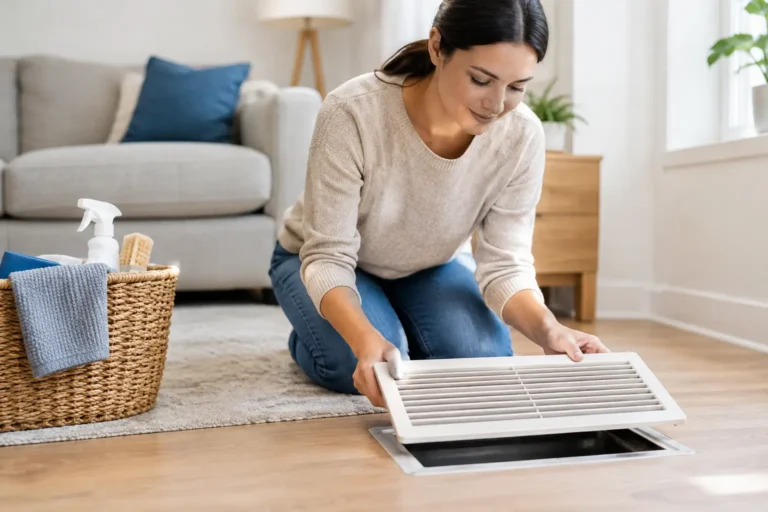
Open windows when outdoor conditions are suitable, replace HVAC filters after the source has been resolved, and wash removable fabrics according to their care labels. If the odor returns when the heat or air conditioning runs, the ductwork may need inspection and cleaning. If it returns on humid days, residue may still be present in porous materials or behind surface finishes.
Protect Walls From Future Smoke Buildup
Routine maintenance can reduce the chance of noticeable residue. Keep range hoods clean and use them while cooking. Have fireplaces and chimneys inspected and cleaned as recommended, especially before regular seasonal use. Keep candles away from walls and ceilings, trim wicks short, and avoid burning them in poorly ventilated rooms.
For homes with smokers, regular cleaning is especially important because smoke residue can build gradually and become harder to remove over time. Light cleaning before discoloration sets in is generally safer and more affordable than waiting until repainting is needed.
If you are unsure whether a wall can be safely cleaned, stop after a small test area rather than risking permanent streaks or paint damage. Fast action, gentle techniques, and professional support for heavier damage can protect the appearance, air quality, and comfort of your property.