A professional duct cleaning appointment should not turn your day upside down. A little preparation helps technicians access the system efficiently, protects your belongings, and gives the cleaning process the best chance to make a real difference in your indoor air quality.
Knowing how to prepare home for duct cleaning is especially useful if your family has allergies, you have recently completed renovations, you manage a rental property, or your HVAC system has been working harder than usual. The goal is simple: make every supply vent, return vent, and the HVAC equipment area easy and safe to reach.
Prepare Your Home for Duct Cleaning Before the Appointment
You do not need to deep-clean your entire house before a duct cleaning service. In fact, that would defeat the purpose. Focus instead on access, safety, and protecting the items that matter most to you.
Start by confirming the appointment window and asking whether an adult needs to be present. Technicians may need access to rooms throughout the property, including bedrooms, utility closets, basements, attics, or mechanical rooms. If you are a property manager, make sure the tenant understands which areas need to be accessible and when the crew will arrive.
It also helps to let the cleaning team know about any details that could affect the visit. Mention a difficult parking situation, a gated community, a building with elevator rules, a very large home, recent water damage, active construction, or vents located in unusual areas. Clear information ahead of time prevents delays and helps the team arrive prepared.
Clear Space Around Vents and Returns
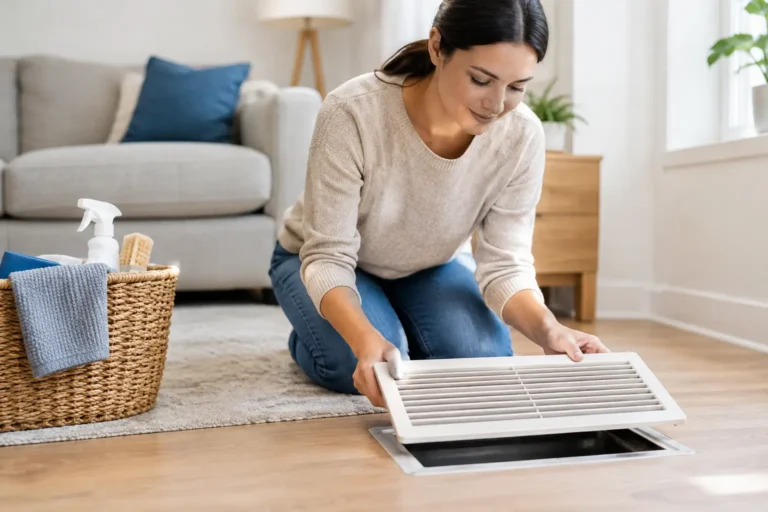
Your technicians need room to remove vent covers and connect professional cleaning equipment. Move lightweight furniture, baskets, floor lamps, toys, pet beds, and other items away from every vent and return grille if possible. Aim for about three to five feet of clear space around accessible registers.
Pay close attention to large return vents. These are often located in hallways, living rooms, ceilings, or near staircases, and they can collect substantial dust and debris. A couch or bookcase directly in front of a return vent does not always make cleaning impossible, but moving it in advance can save time and allow for more thorough access.
For ceiling vents, simply make sure the area below is clear. The technician may use a ladder, so remove anything that could be bumped or damaged. If a vent is above a bed, dining table, desk, or delicate display, clear the immediate area and set aside fragile items.
Protect Delicate Items and Valuables
Duct cleaning involves hoses, tools, ladders, and movement between rooms. Experienced technicians work carefully, but homeowners can make the visit smoother by putting away items that are fragile, valuable, or difficult to replace.
Move breakables from shelves near vents, especially glass décor, framed artwork, collectibles, and small electronics. If you have white or light-colored rugs near a work area, you may prefer to roll them back or move them temporarily. This is not always necessary, but it can provide extra peace of mind in high-traffic areas.
You should also secure important paperwork, medications, jewelry, and small valuables as you would for any in-home service appointment. It keeps your home organized and lets you focus on the work being completed rather than worrying about where things are.
Make the HVAC Area Accessible
The air handler, furnace, or HVAC closet is a key part of the job. Depending on your system, it may be in a basement, garage, utility room, attic, or closet. Clear a path to the equipment and remove stored boxes, cleaning supplies, laundry piles, or seasonal decorations from the immediate area.
Technicians may need to inspect components around the blower compartment, main trunk lines, and access panels. Do not attempt to disassemble any HVAC equipment yourself unless you have been specifically instructed to do so. Leave technical access and system handling to the professionals.
If your unit is located in an attic or crawl space, check that the route is reasonably safe. Let the team know about narrow access points, weak flooring, steep stairs, low ceilings, or any known hazards. These details are not a reason to cancel service. They simply help the crew plan the safest approach.
Plan for Pets, Children, and Daily Routines
Professional duct cleaning equipment can be loud. Hoses may run through hallways, doors may need to remain open during portions of the service, and technicians will move from room to room. For many households, arranging a quiet place for pets is one of the most helpful preparation steps.
Keep dogs, cats, and other pets in a secure room away from the active work area, or consider having them stay with a friend for the appointment. This protects them from stress, prevents accidental escapes, and allows technicians to work without interruption.
If you have young children, plan around nap time, remote learning, or work-from-home calls. You do not necessarily have to leave the house, but it is wise to expect some equipment noise. If someone in the home is highly sensitive to dust or has a respiratory condition, ask the service provider what to expect during and after the cleaning.
Keep Thermostat and Utility Access Available
Your technician may need access to the thermostat or electrical panel as part of the service process. Make sure these areas are not blocked by furniture, storage, or locked doors. If your thermostat requires a code, app access, or special instructions, have that information ready.
Before the crew arrives, write down any concerns you have noticed with the system. Examples include rooms that never feel comfortable, visible dust around vents, musty odors when the HVAC turns on, unusual noises, or a recent increase in allergy symptoms. Duct cleaning is not a repair service for every HVAC issue, but these observations can help identify whether a separate inspection may be worthwhile.
What You Do Not Need to Do
Homeowners sometimes overprepare because they are unsure what duct cleaning involves. You do not need to remove every vent cover, wash inside the ductwork, or try to vacuum deep into the registers. DIY attempts can push debris farther into the system, damage covers, or create unnecessary safety concerns.
You also do not need to turn off the HVAC system early unless the technician asks you to. Your service team will guide you on whether the system should be operating, switched off, or adjusted during the appointment.
There is usually no need to remove wall art, empty every closet, or move heavy appliances. If a particular vent is behind a large piece of furniture that you cannot safely move, point it out when the technician arrives. The team can explain the available options and whether that area can still be accessed.
A Quick Day-of Checklist
Before your scheduled service, take a few minutes to confirm these practical details:
- Clear accessible floor and wall vents, plus the area below ceiling vents.
- Make a safe path to the furnace, air handler, utility closet, attic, or basement.
- Put away fragile items and secure pets in a separate space.
- Unlock gates, utility rooms, or building access points as needed.
- Share any HVAC concerns, parking instructions, or access challenges with the crew.
These small steps help prevent avoidable delays and allow the technicians to spend more time on the cleaning itself.
After the Duct Cleaning Is Complete
Once the work is finished, walk through the home with the technician if possible. Ask what was found, whether any areas had heavier buildup, and if there are maintenance concerns to watch for. If you have reusable HVAC filters, ask when they should be checked or replaced based on your household, pets, and system use.
For homes in Maryland, Washington, DC, and Northern Virginia, seasonal pollen, pet hair, renovation dust, and everyday household debris can all contribute to dirty vents and returns over time. DMV Dream Clean helps homeowners, renters, and property managers handle these concerns with professional service and clear communication.
A prepared home gives your duct cleaning team room to do careful work and gives you a less stressful appointment. Clear the access points, protect what matters, keep pets comfortable, and save your questions for the technician when they arrive.