A small leak behind a wall can cause more disruption than a visible puddle on the floor. Water restoration is about more than removing standing water. It is the process of protecting your property, drying affected materials correctly, and addressing the conditions that can lead to mold, odors, damaged flooring, and indoor air concerns.
For homeowners, renters, property managers, and business owners, the first 24 hours after water damage can make a meaningful difference. Quick action can limit the spread of moisture and help preserve drywall, carpet, furniture, documents, and other belongings. The goal is not to panic or start tearing out materials on your own. It is to make safe decisions, stop the source when possible, and get qualified help before hidden moisture becomes a larger problem.
Start With Safety and Stop the Water Source
Before cleaning up, consider where the water came from. A burst supply line, overflowing sink, roof leak, appliance failure, toilet backup, or storm-related intrusion may require a different response. If water is near outlets, appliances, electrical panels, or exposed wiring, avoid the area until it is safe to enter. Turn off power only if you can do so without standing in water or taking a risk.
If the source is a plumbing issue, shut off the closest water valve or the main water supply if necessary. Move valuables, electronics, and lightweight furniture away from the affected area when it is safe. For businesses, protect customer areas, inventory, records, and equipment while keeping employees and visitors out of slippery or unsafe spaces.
Not every water event should be handled as a simple cleanup. Water from sewage backups, toilet overflows involving waste, outdoor flooding, or unknown sources can contain contaminants. In those situations, avoid direct contact and do not use household fans to blow potentially contaminated material through the space. Professional assessment is the safer choice.
Why Fast Water Restoration Matters
Moisture does not stay where it first appears. Water can move beneath flooring, wick up drywall, travel under baseboards, soak into carpet padding, and settle inside cabinets or wall cavities. A surface may look dry while materials underneath remain wet.
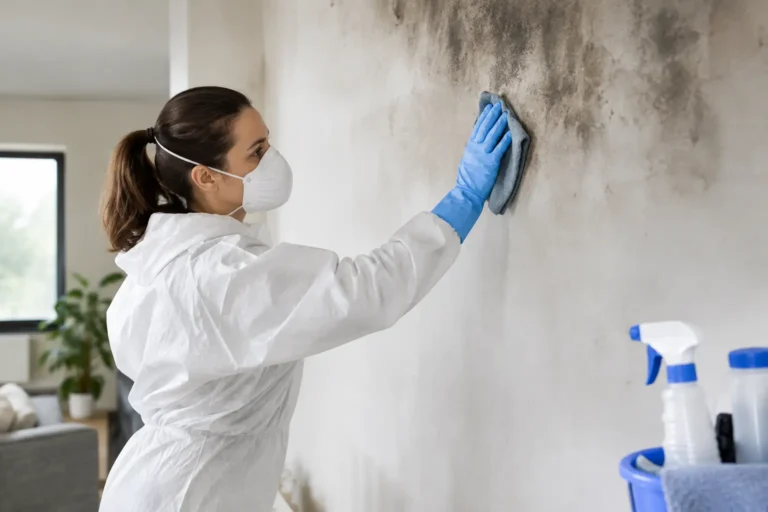
That is why a wet carpet, a water-stained ceiling, or a damp wall should not be judged by appearance alone. Leaving moisture behind may lead to swelling wood, warped flooring, peeling paint, persistent odors, weakened materials, and mold growth. In a commercial setting, delayed action can also affect operations, tenant satisfaction, inventory, and the condition of customer-facing areas.
The right response depends on the amount of water, how long it has been present, the materials affected, and the water source. A clean-water appliance leak caught quickly may need extraction and targeted drying. A long-term roof leak or sewer-related event often calls for a more detailed assessment and removal of materials that cannot be safely restored.
What Professional Water Restoration Includes
Professional water restoration follows a practical sequence designed to identify the full scope of the damage, not just make the room look better. The process commonly begins with an inspection of affected areas and moisture checks in floors, walls, carpets, padding, cabinets, and other materials.
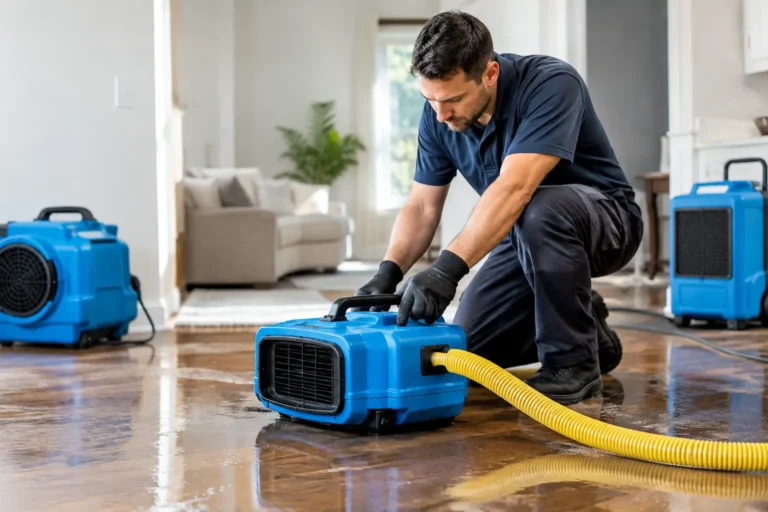
Next comes water extraction. Removing standing water and moisture from carpet or flooring quickly is one of the most effective ways to reduce damage. Technicians then place professional drying and air-moving equipment based on the layout of the space and the materials involved. Dehumidification is equally important because it helps pull excess moisture from the air as wet materials dry.
Drying is not guesswork. A reliable restoration team monitors progress and checks moisture levels to help confirm that materials are drying properly. Depending on the situation, the work may also include cleaning and sanitizing affected surfaces, removing damaged carpet padding or drywall, treating odors, and preparing the area for repairs.
DMV Dream Clean provides water damage restoration with a focus on clear communication, responsive service, and the careful property care homeowners and businesses expect. The purpose is simple: help you move from an unexpected water problem to a cleaner, drier, safer space.
What You Can Do While Waiting for Help
There are a few useful steps you can take without making the damage worse. Take photos and short videos of the affected areas before moving items, especially if you may need to document the loss for insurance. Keep notes about when you first noticed the water, the suspected source, and any actions already taken.
If the water is clean and the area is safe, blot or remove small amounts of standing water with towels. Open doors and interior cabinets to encourage airflow around damp areas. Lift curtains off wet floors and place aluminum foil or wood blocks under furniture legs if doing so will not damage the furniture or create a safety risk.
Avoid using a standard household vacuum to remove water, and do not rely on one fan or an open window as the full drying plan. Fans can help in limited situations, but they cannot confirm whether moisture remains under flooring or inside walls. Do not pull up carpet or remove drywall unless you understand the source of the water and the potential for contamination.
Watch for Hidden Signs After a Leak
Some water damage becomes obvious days later. Check nearby rooms, lower levels, closets, and ceilings below the affected area. Water may follow pipes, framing, or gravity before it becomes visible.
Pay attention to musty odors, new stains, bubbling paint, soft drywall, swollen baseboards, buckling floors, loose tile, or carpet that feels damp near edges. In commercial properties, check storage rooms, utility areas, break rooms, offices, and spaces behind equipment where a slow leak can go unnoticed.
A dry surface is encouraging, but it is not always the final answer. If the source was significant, the water sat for more than a short time, or you are uncertain how far it traveled, an inspection can provide peace of mind and help avoid more expensive repairs later.
Preventing the Next Water Problem
Some water events are unpredictable, but regular property care can reduce common risks. Inspect appliance hoses, washing machine connections, under-sink plumbing, water heater areas, and visible supply lines for corrosion, drips, or moisture. Replace aging hoses before they fail, and address slow drains instead of waiting for an overflow.
For property managers and business owners, routine checks are especially valuable in vacant units, utility closets, restrooms, kitchens, mechanical rooms, and areas with water-using equipment. A small maintenance concern found early is easier to manage than a weekend leak discovered after it has spread through flooring and walls.
Keep gutters and drainage areas clear, watch for roof concerns after major weather, and know where the main water shutoff is located. If your home or business has experienced water damage before, consider whether improvements such as leak sensors, better drainage, or updated plumbing connections could reduce future risk.
When water enters your property, the most helpful next step is usually the simplest one: act early, protect the area, and get a professional assessment when the damage is more than a minor spill. A prompt response can help preserve the spaces you work hard to maintain and make the path back to normal feel much more manageable.