A slow leak behind a wall can damage flooring, feed mold growth, and disrupt a business long before anyone sees a puddle. That is why smart leak detection trends are getting attention from homeowners, property managers, and business owners across the DMV. The goal is simple: find unusual water activity early, respond quickly, and avoid turning a small plumbing issue into a major restoration project.
Smart devices are not a replacement for regular property maintenance or professional water damage service. They are, however, becoming a useful early-warning tool when they are chosen carefully and used as part of a practical prevention plan.
Smart Leak Detection Trends Are Moving Beyond Alarms
Early leak alarms were fairly basic. A small sensor sat near a water heater, washing machine, or sink cabinet and sounded when water touched it. Those devices still have value, especially in a rental property, utility room, or rarely used basement. But newer systems do more than react to standing water.
Many current leak detectors track water flow, pressure changes, temperature, humidity, or a combination of these signals. Instead of waiting for water to reach the floor, they look for patterns that may point to a problem. A toilet that runs overnight, a pipe that leaks slowly inside a wall, or a sudden high-flow event can trigger an alert on a phone.
For property owners, the biggest trend is not simply more technology. It is faster awareness. A warning while you are at work, traveling, or managing several units can make the difference between a quick plumbing repair and extensive drying, cleaning, and reconstruction.
Whole-home flow monitoring is becoming more common
Whole-home systems are typically installed on or near a property’s main water line. They monitor how water moves through the system and can alert the owner when they detect unexpected usage. Some systems can also automatically shut off the water supply when a major leak is suspected.
This option can be especially helpful for second homes, vacant units, commercial spaces, and properties with older plumbing. It can also benefit busy households that want visibility into water use without checking the meter manually.
There is a trade-off. Installation may require a plumber, electrical power, Wi-Fi access, and enough space around the main line. Automatic shutoff can prevent significant damage, but it may also interrupt water service if the device misreads an unusual but legitimate usage pattern. Settings and alert preferences should be reviewed after installation, not left on default forever.
Small spot sensors still solve real problems
Wireless spot sensors remain one of the most affordable and practical options. They are designed for high-risk areas such as under sinks, behind refrigerators, near dishwashers, beside toilets, around water heaters, and beneath HVAC equipment.
These sensors do not identify every hidden leak. Their value is in catching the water that eventually escapes into a cabinet, pan, or floor area. Some models also monitor temperature and humidity, which can provide an added warning when pipes are at risk of freezing or a space stays unusually damp.
For a property with several common risk points, multiple simple sensors may provide better coverage than one expensive device placed in the wrong location. Batteries should be tested regularly, and notifications should be enabled for every person responsible for responding.
The Rise of Automatic Water Shutoff
Automatic shutoff is one of the most meaningful smart leak detection trends because it helps limit damage when no one is present. When a system detects a sudden burst pipe or continuous abnormal flow, it can close the main water valve before hundreds of gallons spread through a property.
This capability is particularly useful during winter cold snaps in Maryland, Washington, DC, and Northern Virginia. Frozen pipes can crack without warning, especially in vacant spaces, poorly insulated exterior walls, crawl spaces, and older buildings. A quick alert is helpful. A system that also stops the flow can be even more valuable.
Still, automatic shutoff is not right for every situation. Businesses with equipment that depends on a continuous water supply may need a more customized setup. Multi-unit buildings may have separate plumbing zones that require individual planning. Property managers should also confirm who receives alerts after hours and who has authority to make decisions if the system shuts off water.
Technology works best when the response plan is clear. An alert that goes unnoticed is not much better than no alert at all.
Smarter Alerts Need Better Response Plans
A phone notification can create a false sense of security if the property owner does not know what to do next. Every home or business using a leak detection system should have a straightforward response plan.
First, identify the main water shutoff valve and make sure responsible occupants or staff know where it is. Second, keep the contact information for a qualified plumber and a water damage restoration provider available. Third, decide who will check the property if an alert comes in while the owner is away.
For commercial properties, the plan may also include protecting inventory, moving equipment, documenting damage, and notifying tenants or building management. For rental homes, owners should give tenants clear instructions for emergencies without expecting them to diagnose plumbing problems themselves.
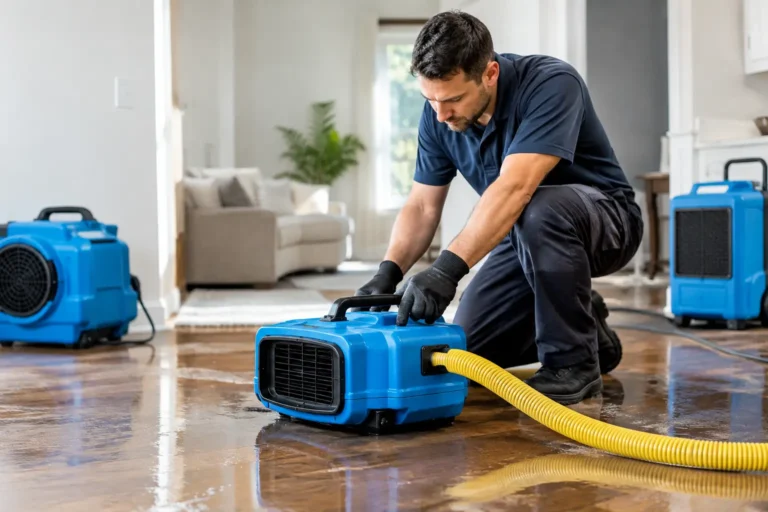
When water is visible, time matters. Standing water can move under flooring, wick into drywall, soak insulation, and affect furniture or stored items. Turning off the source is the first priority, but drying the affected area correctly is just as important. Surface drying alone may not address moisture hidden behind walls, beneath carpet, or under baseboards.
Integration With Home Systems Is Growing
Leak detection devices are increasingly being connected with other property systems. A smart home platform may allow a sensor to trigger lights, alarms, cameras, or HVAC adjustments. In commercial settings, building monitoring systems can combine water alerts with maintenance records and after-hours notifications.
This integration can be useful, but it is not always necessary. A reliable detector that sends clear alerts is better than a complicated system that no one understands. Before buying, property owners should consider compatibility, monthly subscription costs, app reliability, battery backup, and whether the device continues to function during an internet outage.
Privacy and cybersecurity also deserve attention. Any connected device should use a strong, unique password and receive manufacturer updates when available. For businesses and multi-unit properties, it is wise to limit account access to people who actually need it.
Insurers Are Paying Closer Attention to Water Risk
Water damage remains one of the most common and expensive property claims. As a result, some insurers are showing increased interest in approved smart monitoring and automatic shutoff devices. Depending on the carrier and policy, a property owner may qualify for a discount or receive recommendations for specific systems.
The details vary widely. A discount should not be the only reason to install a device, and no sensor guarantees that a claim will be covered. Review policy language, deductibles, maintenance requirements, and documentation expectations with your insurance provider.
The more practical benefit is risk reduction. Early detection can protect finishes, furnishings, records, electronics, and the daily use of the space. For a business, it can also reduce downtime. For a homeowner, it can mean avoiding the stress of returning from a weekend away to a flooded kitchen or basement.
What Smart Devices Cannot Replace
Leak detection technology cannot fix worn supply lines, failing appliance hoses, damaged grout, roof leaks, clogged drains, or plumbing defects. It also cannot remove moisture, clean contaminated water, or restore materials after damage occurs.
Regular inspections still matter. Check under sinks, around toilets, at appliance connections, and near water heaters for corrosion, staining, soft flooring, musty odors, or unexplained humidity. Replace aging washing machine hoses and address slow drains before they become backups. In commercial properties, routine maintenance records can help identify repeated problems before they become emergencies.
If water damage does occur, avoid waiting to see whether the area dries on its own. Prompt professional assessment can identify affected materials and help prevent lingering odors, mold concerns, and secondary damage. DMV Dream Clean provides responsive water damage restoration support for property owners who need help protecting and restoring their space.
The best leak detection setup is one that fits the property, the plumbing system, and the people responsible for responding. Start with the areas most likely to cause trouble, make sure alerts reach the right person, and keep a clear plan for acting fast when water appears.