A coffee spill from last winter, a pet accident you thought was handled, or a dark path through a busy office can make a carpet look permanently damaged. But can carpet cleaning remove old stains? In many cases, yes. Professional cleaning can significantly reduce or fully remove stains that have been sitting for months or even years. The honest answer depends on the stain, the carpet fiber, and what has already been tried.
Old stains are more challenging than fresh ones, but age alone does not make them impossible to treat. The right cleaning method can break down embedded residue, flush it from the carpet, and improve the overall appearance of the room without putting the fibers at unnecessary risk.
Why Old Carpet Stains Become Harder to Remove
A stain is not always just a mark on the surface. When liquid reaches carpet, it can travel through the fibers, backing, and sometimes the padding below. As it dries, residue can bond to the fibers. Heat, foot traffic, sunlight, and repeated exposure can make that bond harder to break.
Some household products also complicate the job. A cleaner may remove the visible color but leave a sticky soap residue behind. That residue attracts soil, so the same area becomes dark again soon after cleaning. Other products can set a stain, bleach the carpet, or leave behind a visible ring.
The type of stain matters just as much. Food, beverages, mud, and many water-based spills often respond well to professional treatment. Oil, ink, dye, rust, paint, and certain pet stains may require specialized solutions and may not disappear completely. A qualified technician should set realistic expectations before treatment rather than promise results that the carpet cannot deliver.
Can Carpet Cleaning Remove Old Stains From Every Fiber?
Not every carpet is made to handle the same cleaning process. Synthetic fibers such as nylon and polyester are generally more stain resistant than natural fibers, though they can still hold oily residue. Wool needs careful treatment because strong chemicals, excessive moisture, or aggressive agitation can damage its texture and color.
The carpet’s condition also matters. If a stain has faded or changed the dye in the fiber, cleaning cannot restore color that is no longer there. This is called permanent discoloration, and it can look similar to a stain. In these cases, a professional cleaning may still brighten the surrounding carpet and make the affected area less noticeable.
For renters, homeowners, and property managers, this distinction is useful. A dark spot does not automatically mean carpet replacement is necessary. A professional inspection can help determine whether the issue is removable soil, leftover residue, odor-causing contamination, or permanent fiber damage.
Stains That Often Improve With Professional Cleaning
Many older stains respond better than people expect once they are treated with the proper solution, dwell time, agitation, and extraction. Coffee, tea, soft drinks, tracked-in dirt, food spills, and everyday traffic lanes can often be lifted or greatly improved.
Pet accidents require a more careful approach. Even when the visible spot is small, urine can spread beneath the surface and leave odor-producing residue in the backing or padding. Surface cleaning alone may not solve the problem. Targeted treatment is often needed to address both the stain and the odor at its source.
Grease and oil stains can also be stubborn because water alone will not dissolve them. A technician may use a product designed to loosen oily residue before extracting it. Ink, hair dye, red beverages, paint, and rust are among the stains that can be less predictable. Improvement is possible, but results depend on the specific material and whether previous cleaning attempts altered the fibers.
What Professional Carpet Cleaning Does Differently
Rental machines and store-bought sprays can be helpful for small, recent spills. They are not always strong enough to remove old, deeply embedded soil. Worse, an over-wet carpet can take too long to dry, creating an odor issue or allowing soil from the backing to wick back to the surface.
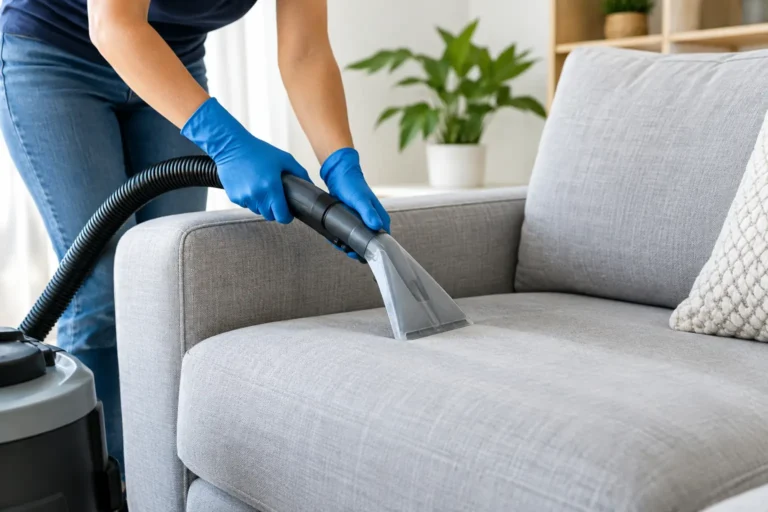
Professional carpet cleaning begins with identifying the carpet material and the type of stain. The technician can then select an appropriate pretreatment rather than applying one harsh product to every problem. After the solution has time to work, specialized equipment removes loosened soil, moisture, and residue from deep in the carpet.
The goal is not to soak the carpet. It is to use enough moisture and cleaning power to release contaminants, then extract as much of that material as possible. Proper extraction supports faster drying, a cleaner feel underfoot, and a better chance of preventing rapid re-soiling.
At DMV Dream Clean, technicians focus on the condition of the carpet as a whole, not just the most visible spot. Cleaning traffic lanes, surrounding fibers, and affected areas together can provide a more even result and help the room look refreshed rather than patchy.
What to Do Before Your Carpet Cleaning Appointment
You do not need to spend hours preparing, but a few simple steps help the service go smoothly. Pick up small items, toys, and loose belongings from the carpeted area. If possible, move lightweight furniture and let the cleaning team know about any large pieces that will remain in place.
Point out every stain, including spots that are faint or only noticeable in certain lighting. Share what caused the stain if you know. Information such as “red wine,” “pet urine,” or “oil from a garage entry” helps the technician choose the most effective treatment.
Avoid adding more chemical products right before the appointment. Mixing cleaners can create unwanted reactions, leave residue, or make it harder to identify the original stain. If you have used a product already, simply let the technician know what it was.
When an Old Stain May Not Come Out Completely
Professional cleaning offers the best chance of restoration, but no reputable company should guarantee that every old stain will vanish. A stain may remain visible when it has permanently changed the carpet dye, damaged the fibers, or spread into the padding. Long-term sunlight exposure can also create uneven fading that cleaning cannot reverse.
Repeated DIY treatment is another common reason a stain becomes difficult. Scrubbing can fray carpet fibers and make an area look fuzzy or lighter than the rest of the room. Bleach-based products can remove color entirely. Once the fiber itself is damaged, cleaning can improve cleanliness but cannot rebuild it.
Even when full removal is not possible, a thorough cleaning can still make a meaningful difference. Reducing the contrast of a spot, removing odor, lifting embedded dirt, and restoring a more uniform appearance may help extend the useful life of the carpet.
How to Keep a Removed Stain From Returning
A stain that seems to reappear after cleaning is often caused by wicking. Residue deeper in the carpet dries and travels upward, bringing discoloration back to the surface. This is more likely with spills that reached the backing or padding.
Let the carpet dry fully, keep foot traffic light until it is dry, and follow any after-care instructions from your technician. If a spot returns, contact the cleaning provider promptly. Addressing it early gives the best chance of resolving the remaining residue before it collects more soil.
Regular professional cleaning also helps prevent ordinary dirt from becoming permanent-looking traffic lanes. For busy homes, pet owners, rental properties, and customer-facing businesses, a maintenance schedule can protect appearance while supporting a cleaner indoor environment.
Should I try to clean an old stain myself first?
For a small, low-risk stain, gentle blotting with plain water may be reasonable. Avoid scrubbing and avoid using multiple products. For old, dark, odorous, or unknown stains, professional treatment is usually the safer choice.
Can carpet cleaning remove old pet urine odor?
It can, especially when the affected area is properly identified and treated. If contamination has reached the padding or subfloor, additional restoration steps may be needed for complete odor control.
How soon can I walk on the carpet after cleaning?
Carpet drying time varies based on humidity, airflow, carpet thickness, and the cleaning method used. Light foot traffic may be possible sooner, but waiting until the carpet is fully dry helps protect the result.
Old stains deserve an honest assessment, not a quick guess. A professional cleaning service can tell you what is likely to improve, treat the carpet with care, and help you decide whether restoration is a practical next step for your home or property.