Your sofa may look clean and still hold the ingredients that trigger allergy symptoms: shed skin cells, pet dander, dust, and dust mite allergens deep in the fabric and cushioning. So, does upholstery cleaning remove dust mites? Professional upholstery cleaning can significantly reduce dust mites, their waste particles, and the dust they feed on. It is not a permanent one-time cure, but it is a practical part of maintaining a cleaner, healthier home or business.
Dust mites are microscopic, so you will not see an infestation the way you might notice crumbs or pet hair. Their presence becomes more likely in upholstered furniture that gets daily use, especially in homes with pets, carpeting, high humidity, or family members with allergies and asthma.
Does Upholstery Cleaning Remove Dust Mites Completely?
A thorough upholstery cleaning can remove a meaningful amount of dust mites and allergens from the surface and upper layers of furniture. Professional methods also lift embedded soil, dander, and skin flakes that give mites a food source. The exact result depends on the fabric, the age and condition of the furniture, how heavily it is used, and the cleaning method selected.
No cleaning service should promise that dust mites will never return. They are common in indoor spaces, and fresh dust settles over time. The goal is to reduce the allergen load in the furniture and keep it from building back up to an uncomfortable level.
This distinction matters for families dealing with sneezing, itchy eyes, coughing, or asthma symptoms at home. Dust mite allergens often come from proteins in mite waste and body fragments, not only from living mites. Removing those particles is just as valuable as reducing the mites themselves.
Why Upholstered Furniture Holds Allergens
Fabric furniture works like a filter. Every time someone sits down, moves a cushion, brings in outdoor dust, or lets a pet climb onto the sofa, small particles settle into the fibers. Vacuuming helps with loose debris, but standard household vacuums may not pull allergens from seams, cushion edges, or deeper upholstery layers.
Dust mites thrive where they can find warmth, moisture, and food. Upholstered chairs, sectionals, recliners, dining chairs, office seating, and fabric headboards can all collect the materials mites feed on. Mattresses and pillows are often the biggest concern, but frequently used furniture deserves attention too.
Commercial spaces have their own challenges. Waiting room chairs, apartment common-area furnishings, office seating, and customer-facing couches see steady traffic from many people. Regular upholstery care helps these spaces look professional while reducing built-up dust and allergens.
How Professional Cleaning Helps
The best approach is determined by the upholstery material and the level of soil. A trained technician inspects the fabric before cleaning to identify fibers, dyes, stains, odor concerns, and areas that need special attention. Using the wrong amount of moisture or the wrong product can lead to shrinkage, color bleeding, or slow drying, which is why furniture should not be treated with a one-size-fits-all method.
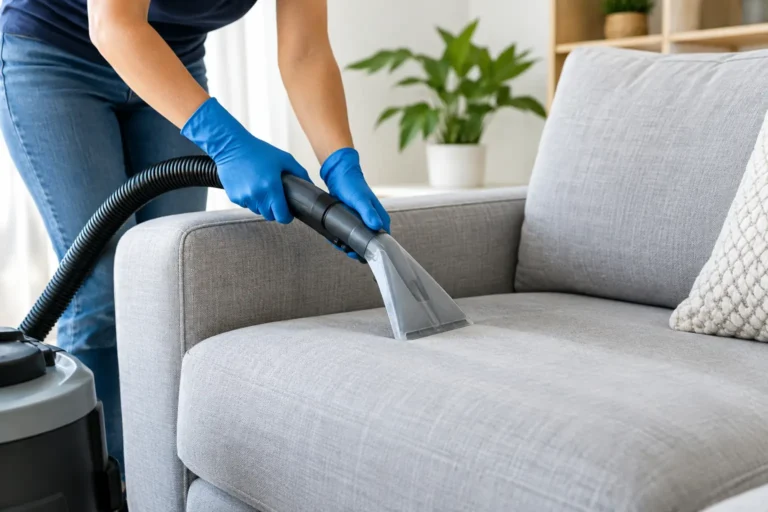
For many durable fabrics, hot water extraction can be highly effective. This process applies a controlled cleaning solution and water, agitates soil, and extracts the loosened material along with moisture. The extraction step is key because it removes the debris instead of simply moving it around on the fabric.
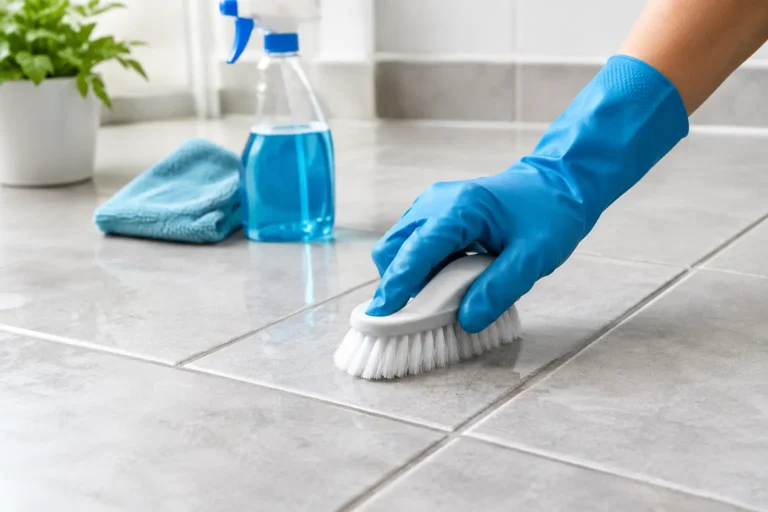
Other pieces require low-moisture cleaning, foam cleaning, dry solvent methods, or careful hand treatment. Delicate natural fibers, older furniture, and certain specialty fabrics may not be suitable for hot water extraction. A professional service can choose a method that balances deep cleaning with protection for the material.
Cleaning also reaches high-collection areas that are easy to miss during routine care, including seams, creases, buttons, under cushions, arms, and the back of the furniture. These are often the spots where hair, crumbs, skin flakes, and dust settle unnoticed.
What Upholstery Cleaning Can and Cannot Do
Professional cleaning is a strong maintenance step, not a replacement for moisture control or regular housekeeping. It can improve the condition of your furniture by removing accumulated debris and reducing allergy triggers. It cannot stop future dust from entering the home or prevent mites from returning if conditions remain favorable.
For the best result, combine upholstery cleaning with regular vacuuming using a HEPA-filtered vacuum, washing removable covers according to the manufacturer’s label, and cleaning nearby rugs and carpets. If allergy symptoms are persistent, mattress cleaning and bedding care may be equally important, since people spend long periods in close contact with those materials.
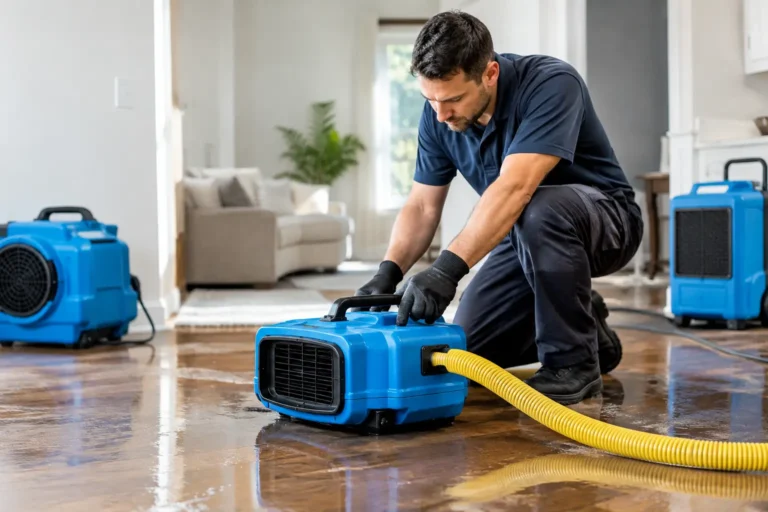
Humidity is another factor. Dust mites do better in humid indoor conditions. Keeping indoor humidity at a moderate level, repairing leaks promptly, and using proper ventilation can make your home less welcoming to them. If you notice musty odors, damp cushions, or signs of water damage, address the moisture issue before scheduling a routine cleaning.
Signs It Is Time to Clean Your Upholstery
Furniture does not need to look stained to benefit from professional care. A sofa that is used every day can gather allergens long before it appears visibly dirty. Consider scheduling upholstery cleaning if allergy symptoms seem worse when you are relaxing on certain furniture, if pets use the sofa or chairs, or if the fabric has a lingering odor.
Other common signs include dull-looking fabric, darkened armrests or headrests, visible pet hair in seams, and cushions that release dust when moved. For rentals and managed properties, cleaning upholstered pieces between tenants or after a heavy-use period can improve presentation and help protect the furniture investment.
As a general guideline, many households benefit from professional upholstery cleaning every 12 to 18 months. Homes with pets, young children, smokers, frequent guests, or known allergy concerns may need service more often. Businesses may need a schedule based on traffic, customer visibility, and the type of seating they maintain.
How to Keep Dust Mites From Building Back Up
After deep cleaning, simple habits can help extend the result. Vacuum upholstered furniture weekly, including under and between cushions. Use an upholstery attachment and move slowly enough to collect fine dust rather than only surface hair.
Wash throws, cushion covers, and pet blankets regularly when the care labels allow it. Keep pets off furniture if someone in the household has significant allergies, or use washable protective covers on the pieces they use most. Avoid eating regularly on upholstered furniture, since crumbs create another source of organic debris.
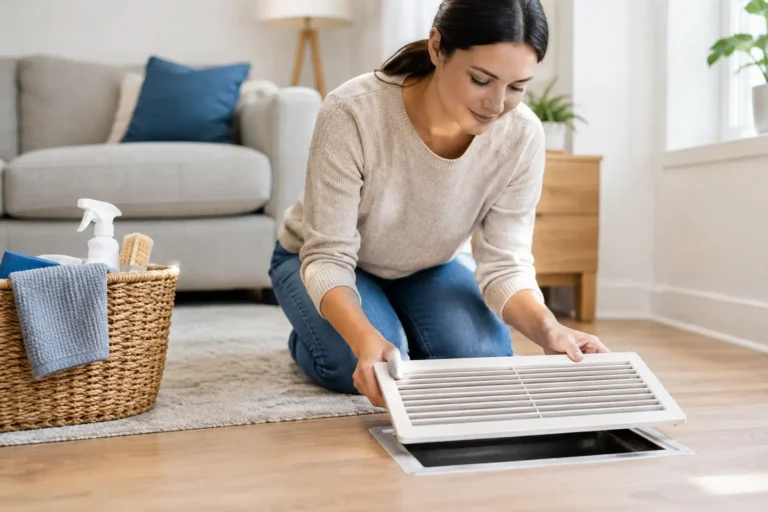
It also helps to clean the surrounding environment. Carpet and rug fibers can hold the same dust and dander that settle onto a sofa. Air duct cleaning may be worth considering when there is visible dust around vents, a recent renovation, or a larger indoor air quality concern, but it should be part of an overall maintenance plan rather than the only solution.
A Cleaner Place to Sit Starts Below the Surface
Dust mites are too small to spot, but the buildup they leave behind can affect how comfortable your home feels. Deep upholstery cleaning removes far more than visible dirt, helping reduce the hidden dust, dander, and allergens that collect where your family, guests, or customers sit every day.
For homeowners, renters, and property managers in Maryland, Washington DC, and Northern Virginia, DMV Dream Clean provides professional upholstery cleaning tailored to the fabric and condition of each piece. A well-timed cleaning can refresh the look of your furniture while supporting a cleaner indoor environment for the people who use it most.