A mattress can look clean while holding months of sweat, body oils, dust, pet dander, and the residue left behind by a rushed spill cleanup. This guide to professional mattress cleaning explains what the service actually does, when it is worth scheduling, and how to get better results without putting your mattress at risk.
For homeowners, renters, property managers, and hospitality businesses, mattress cleaning is more than a cosmetic service. A properly cleaned mattress can help freshen a bedroom, reduce common indoor allergens, address odors, and protect an expensive part of the property. The right process depends on the mattress material, the age of the staining, and whether moisture or biological contamination is involved.
When a Mattress Needs Professional Attention
Most mattresses benefit from periodic deep cleaning, even when there is no obvious stain. Sheets, protectors, and regular vacuuming help, but they do not remove everything that settles into upholstery fibers and surface padding over time.
Schedule professional cleaning when the mattress has persistent odors, visible yellowing, pet accidents, food or drink stains, or dust buildup that seems to aggravate allergies. It is also a practical step after an illness, before moving into a previously occupied home, after a tenant turnover, or when preparing a rental property or guest room for new occupants.
A spill that reaches the interior should be handled quickly. The longer moisture, urine, milk, coffee, or other organic material sits in the mattress, the more likely it is to leave an odor or permanent discoloration. If the mattress smells musty, feels damp, or has suspected mold growth, do not simply cover it with a protector. That situation needs a professional assessment, and in some cases, replacement may be the safer choice.
What Professional Mattress Cleaning Includes
Professional mattress cleaning starts with inspection, not immediate treatment. A trained technician looks at the mattress type, condition, stains, odor source, seams, and areas of heavy use. This helps determine which cleaning method is appropriate and whether a stain can reasonably be improved.
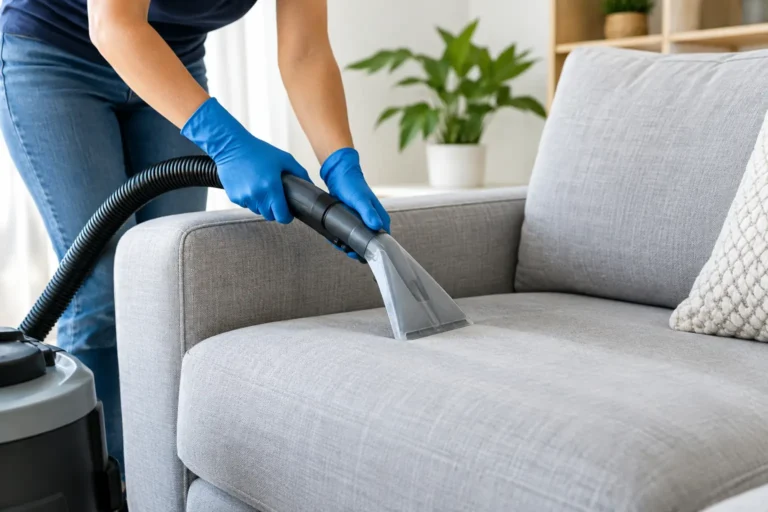
The service commonly includes detailed vacuuming to remove loose dust and debris, targeted pre-treatment for stains, and cleaning methods designed for upholstery and mattress fabrics. Depending on the material and condition, technicians may use low-moisture extraction, steam-based treatment, odor-neutralizing products, or specialized spot treatment.
The goal is not to soak the mattress. Excess water can create drying problems and may contribute to odor or microbial growth inside the padding. A professional team uses controlled moisture and extraction techniques to clean the surface and upper layers while limiting saturation. Drying time varies, but many mattresses are ready within several hours when ventilation and room conditions are favorable.
A reputable service should also set clear expectations. Deep cleaning can significantly improve freshness, soil buildup, and many stains, but it cannot always erase old discoloration or repair material damage. A transparent assessment is a sign that the technician is focused on the right outcome, not making unrealistic promises.
Stain removal depends on timing and material
Fresh stains are generally easier to treat than stains that have dried repeatedly or been exposed to heat. Mattress fabrics and foams also react differently to cleaning products. Memory foam, pillow-top construction, natural latex, wool, and specialty covers may need a more cautious approach than a standard innerspring mattress.
This is why a one-size-fits-all rental machine or heavy household cleaner can be risky. Too much water, strong chemicals, or aggressive scrubbing can spread a stain, weaken fibers, or leave a residue behind. Professional cleaning is especially useful when the mattress has a warranty, a delicate construction, or a stain that has already resisted at-home care.
A Practical Guide to Professional Mattress Cleaning Preparation
A little preparation helps the appointment move quickly and gives the cleaning team access to the entire mattress. Remove sheets, blankets, pillows, mattress pads, and protectors before the technician arrives. If possible, clear small furniture and personal items from around the bed so the mattress can be reached safely.
Tell the cleaning company about any known stains, odors, pet accidents, previous cleaning attempts, or water exposure. Details matter. A coffee spill requires a different treatment approach than urine, makeup, or an old unknown stain. If you have used bleach, peroxide, vinegar, or a store-bought spot remover, mention that as well, since products can affect the fabric or change how a stain responds.
After cleaning, keep the room ventilated and allow the mattress to dry fully before remaking the bed. Running the HVAC system, using a ceiling fan, or opening windows when weather permits can support drying. Avoid placing bedding back on a mattress that still feels damp. Covering it too early traps moisture and can bring back odors.
How Often Should You Clean a Mattress?
For many homes, professional mattress cleaning every 12 to 18 months is a reasonable maintenance schedule. Families with young children, pets, allergies, asthma concerns, or frequent guest use may benefit from more frequent service. A mattress in a rental, furnished apartment, hotel, or short-term rental may need cleaning between occupants or whenever its condition calls for it.
Frequency also depends on prevention. A quality waterproof mattress protector can reduce the impact of spills and body oils, but it should be washed regularly and does not replace deep cleaning forever. Vacuuming the mattress surface during routine bedroom cleaning, washing bedding weekly, and addressing spills immediately will help maintain a cleaner sleep space between appointments.
Why DIY Cleaning Has Limits
DIY care has a place. Blotting a fresh spill with a clean towel, using a mild product approved for the fabric, and letting the area dry completely can prevent a small problem from becoming larger. The key word is blot. Rubbing pushes material deeper into the fibers and can enlarge the stain.
But home treatments often struggle with odors that have reached the padding, large stains, unknown residues, and moisture-related problems. Baking soda may temporarily reduce surface odor, but it does not remove the source of an embedded stain. Strong fragrances can make a mattress smell better for a day while leaving the underlying issue untouched.
There is also a safety consideration. Mattresses are difficult to dry evenly, particularly thick pillow-top and foam models. Overwetting a mattress can create a more serious problem than the original stain. When you are unsure what caused the stain, the mattress has a lingering odor, or the affected area is large, a professional service is the more practical choice.
Choosing a Mattress Cleaning Company
Look for a company that treats mattress cleaning as a specialty upholstery service rather than an afterthought. Ask how the mattress will be inspected, what cleaning method is used, how moisture is controlled, and what drying time to expect. Clear answers show that the provider understands the differences between carpet, upholstery, and mattress materials.
It also helps to work with a local company that can schedule around your household or property needs and communicate clearly before arrival. For customers throughout Maryland, Washington, DC, and Northern Virginia, DMV Dream Clean provides professional deep-cleaning services designed to improve cleaner, healthier indoor spaces with straightforward scheduling and service guidance.
Before booking, take clear photos of visible stains and note their likely cause and age. This makes it easier to receive an accurate quote and helps the technician arrive prepared. For property managers and businesses, documenting the condition before and after service can also support turnover records and maintenance planning.
Keep the Bed Fresh After Cleaning
Once the mattress is clean and fully dry, use a clean, breathable mattress protector and wash it on the schedule recommended by its manufacturer. Keep drinks and food out of bed when possible, especially in children’s rooms and guest spaces. If an accident happens, remove wet bedding immediately, blot the area, and arrange professional help before odor has time to set.
A clean mattress supports a cleaner room, but it works best as part of a larger care routine that includes fresh bedding, vacuumed floors, and attention to indoor air quality. When your bed no longer feels fresh despite regular laundry, professional cleaning can be a simple, worthwhile reset for the space where you rest every night.