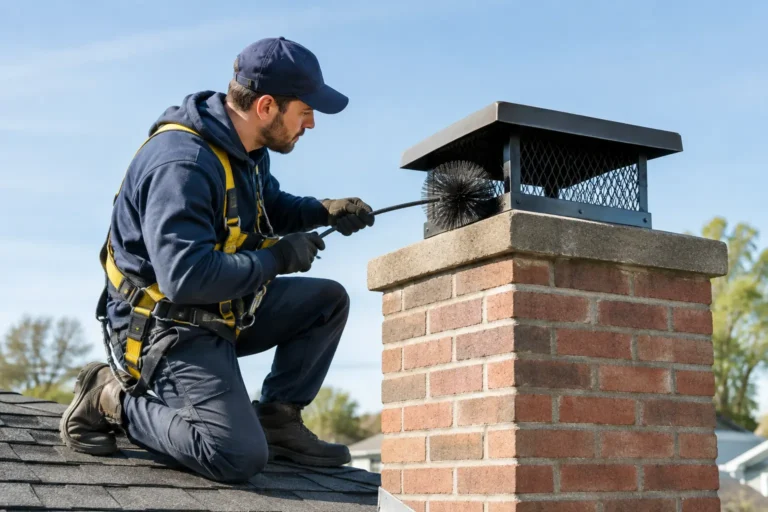
A fireplace can make a home feel warm and comfortable fast – right up until smoke starts backing into the room or a hidden creosote problem turns into a fire hazard. If you have been wondering how often to clean chimney systems, the short answer is at least once a year for inspection, with cleaning based on how often you use it and what you burn.
That simple rule covers a lot of real-life situations. A family that burns wood every week all winter has very different chimney needs than a homeowner who lights a few holiday fires each year. Gas fireplaces also get treated differently than wood-burning systems. The safest approach is to think in terms of both calendar time and usage, not just one or the other.
How often to clean chimney systems
For most homes, the National Fire Protection Association standard many professionals follow is yearly inspection, even if you do not think the chimney needs cleaning. That annual check helps catch creosote buildup, nesting animals, liner damage, blockages, and moisture issues before they become expensive or dangerous.
If you use a wood-burning fireplace or stove regularly, cleaning is often needed once a year and sometimes more. A good practical benchmark is to clean when creosote buildup reaches about 1/8 inch. Heavy fireplace use, especially during cold seasons, can get you there faster than many homeowners expect.
If your fireplace is used only occasionally, you may not need a full cleaning every year, but skipping the yearly inspection is still a mistake. A chimney can develop problems even when it sits idle. Birds, squirrels, leaves, and moisture do not care how often you light a fire.
What changes your chimney cleaning schedule
No two chimneys build up soot and creosote at exactly the same rate. The right schedule depends on the fuel source, how often the system runs, and the condition of the chimney itself.
Wood-burning fireplaces and stoves
Wood creates the most buildup and needs the closest attention. If you burn wood as a primary or frequent heat source, annual cleaning is common and mid-season checks can make sense. This is especially true if you notice black, flaky, or tar-like deposits. Those deposits can ignite and cause a chimney fire.
The type of wood matters too. Burning unseasoned or wet wood creates more smoke and more creosote. Slow, smoldering fires do the same. Even if you are not using the fireplace every day, poor burning habits can shorten the time between cleanings.
Gas fireplaces
Gas units usually produce less soot and creosote than wood-burning systems, but they are not maintenance-free. Venting systems can still collect debris, develop blockages, or show signs of wear. Annual inspection is still the smart move, and cleaning may be recommended if there is residue, restricted airflow, or damage inside the vent or flue.
Oil-burning systems
Oil-burning appliances can create soot that needs regular attention. In many cases, these systems should also be checked every year. If soot starts building up, efficiency can drop and venting problems can follow.
Fireplace usage patterns
A fireplace used every weekend from fall through early spring will need more frequent service than one used three times a year. Property managers and business owners should be especially careful here. Different tenants or occupants often use fireplaces differently, which can make buildup less predictable.
Signs your chimney needs cleaning sooner
Sometimes the calendar says you are fine, but the chimney says otherwise. If you notice a strong smoky odor coming from the fireplace, poor draft, smoke entering the room, or dark buildup around the firebox, it may be time to schedule service sooner than planned.
You may also hear debris falling inside the flue or notice animals entering and exiting the chimney. White staining on the exterior brick, damaged mortar, or rust around the damper can point to moisture problems that often go hand in hand with maintenance issues.
A loud cracking or popping sound during a fire can be another warning sign. In some cases, homeowners do not realize they had a minor chimney fire until an inspection reveals the damage. Waiting for obvious trouble is rarely the best plan.
Why annual chimney cleaning matters
The biggest reason is safety. Creosote is highly flammable, and chimney fires can spread quickly into the rest of the house. Even when a fire does not occur, a dirty chimney can affect indoor air quality by pushing smoke, soot, and odors back into living spaces.
There is also a performance issue. A clean chimney drafts better, which helps fires burn more efficiently and reduces smoke problems. If your system is venting properly, you are less likely to deal with lingering odors, dirty walls near the fireplace, or frustrating trouble getting a fire started.
Annual maintenance can also save money over time. Small issues like a damaged cap, liner crack, or blocked flue are usually easier and less expensive to deal with when caught early. That matters for homeowners and for commercial properties trying to avoid downtime, tenant complaints, or larger repairs later.
Inspection versus cleaning
These are related, but they are not the same thing. An inspection checks the condition and safety of the chimney system. A cleaning removes soot, creosote, and debris. Some chimneys need both at the same visit. Others may pass inspection with little or no cleaning required.
This distinction matters because many people ask how often to clean chimney systems when what they really need is a yearly inspection schedule. The inspection tells you whether cleaning is needed now, whether repairs are needed, or whether the system is in good shape for another season.
If you recently bought a home, inherited a property, changed fuel types, had storm damage, or have not had the chimney checked in years, an inspection should move to the top of your list.
Can you wait until fall?
A lot of homeowners do, but spring and summer are often better times to book chimney service. You can take care of buildup from the previous burning season, avoid peak-season scheduling pressure, and address repairs before cold weather returns.
That said, the right time is the time before you use the fireplace again. If fall is when you remember, do not put it off just because the season has started. It is better to schedule service before the first serious cold snap than to use a questionable chimney all winter.
What homeowners in the DMV area should keep in mind
In Maryland, Washington DC, and Northern Virginia, chimney use tends to be seasonal. That can make it easy to forget maintenance for most of the year. Then the first cold weekend arrives, and the fireplace goes from inactive to heavily used overnight.
That pattern is one reason annual inspections are so important. A chimney can sit through humid summers, collect moisture and debris, and then be expected to perform safely the moment temperatures drop. If your home has older masonry, tree coverage, or a fireplace that has not been used consistently, a professional check gives you peace of mind before the season starts.
The safest rule of thumb
If you want one clear answer, use this: have your chimney inspected once a year and cleaned whenever buildup, debris, or venting issues are found. For many wood-burning fireplaces, that means yearly cleaning. For lighter-use or gas systems, it may mean less frequent cleaning but not less frequent inspection.
A dependable service visit should do more than brush out soot. It should help you understand how your chimney is performing, whether there are signs of damage, and whether your current usage habits are increasing buildup. That kind of guidance helps you avoid guesswork.
At DMV Dream Clean, the goal is simple – make it easy for homeowners and property managers to keep fireplace systems cleaner, safer, and ready when they need them. If it has been a year or you are not sure when your chimney was last checked, that is usually your sign to stop wondering and get it looked at.
A clean chimney does not just protect your fireplace. It protects the rest of your home every time you strike a match.