A dusty smell is not always a sign that your home needs a quick pass with a feather duster. If you are asking, why does my house smell dusty, the odor may be coming from settled dust, dirty air filters, carpets, upholstery, or the HVAC system moving particles through your rooms. The good news is that most causes can be identified and addressed before the smell becomes a constant part of your home.
A house can smell dusty even when surfaces look reasonably clean. Dust settles in hidden places, absorbs everyday odors, and gets stirred back into the air whenever the heat or air conditioning runs. Finding the source is the first step toward cleaner air and a fresher home.
Why Does My House Smell Dusty in the First Place?
Household dust is a mix of ordinary materials: skin cells, fabric fibers, pet dander, pollen, soil tracked indoors, and tiny particles from cooking or outdoors. In the DMV area, seasonal pollen, humid summers, and time spent with windows open can all add to what settles inside.
When that buildup sits in carpet, vents, curtains, furniture, and corners, it can develop a stale, dry odor. The smell is often most noticeable after the home has been closed up, when the HVAC starts, or when sunlight and foot traffic disturb dust that was hiding in soft surfaces.
The source matters. A mild dusty odor after a long period with the windows closed may be routine maintenance. A strong smell that returns immediately after cleaning, or comes with coughing, allergy symptoms, visible debris, or a musty note, deserves a closer look.
Common Sources of a Dusty Smell
A Dirty HVAC Filter or Air Ducts
Your HVAC system circulates air throughout the home, along with whatever particles are in its path. A loaded air filter can restrict airflow and allow dust to build up around the system. When the unit turns on, that dust can produce a noticeable odor, especially at the start of a heating or cooling cycle.
Ductwork can also collect dust, pet hair, renovation debris, and allergens over time. This does not mean every dusty home needs duct cleaning immediately. However, professional inspection and cleaning may make sense if you see debris blowing from registers, notice excessive dust shortly after cleaning, recently completed construction, or have not had the ducts serviced in years.
Replace standard HVAC filters on the schedule recommended for your system and household. Homes with pets, smokers, heavy foot traffic, or family members with allergies may need more frequent filter changes. Make sure the filter is the correct size and installed in the proper direction.
Carpets, Rugs, and Upholstered Furniture
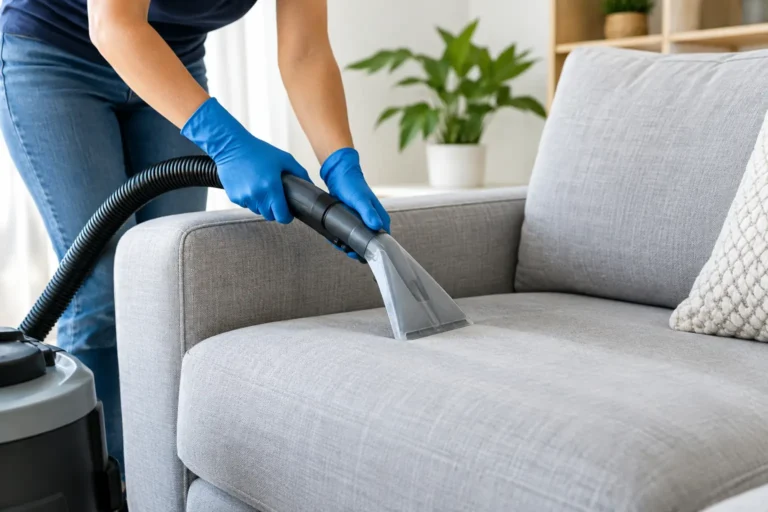
Soft surfaces hold far more dust than most people realize. Vacuuming removes surface debris, but fine particles can settle deep into carpet fibers, area rugs, sofa cushions, mattresses, and upholstered chairs. Those particles can be released every time someone walks across the room or sits down.
A room may smell dustier than the rest of the house because it has older carpet, heavy drapes, a fabric headboard, or furniture that has not been moved and cleaned underneath. This is particularly common in bedrooms, basements, and low-traffic rooms that stay closed for long periods.
Regular vacuuming with a well-maintained machine helps, but deep carpet, rug, and upholstery cleaning removes embedded buildup that routine cleaning leaves behind. The right method depends on the material, age, condition, and any stains or moisture concerns, so avoid soaking delicate rugs or furniture with an unsuitable rental machine.
Forgotten Surfaces and Tight Spaces
Dust does not limit itself to shelves and floors. It settles on ceiling fan blades, baseboards, window sills, blinds, return-air grilles, behind appliances, under beds, and on top of cabinets. These areas often collect enough buildup to affect the smell of a room.
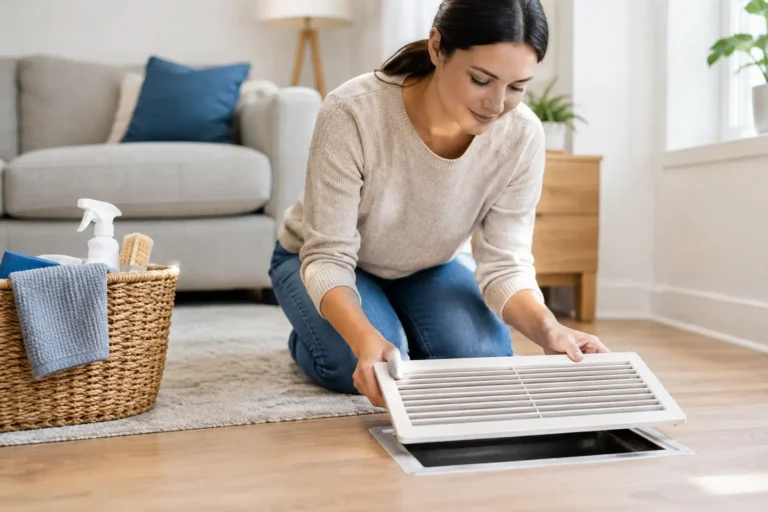
Check return vents in particular. They draw air back toward the HVAC system, so a dusty grille can become an obvious odor source. Turn off the system before gently vacuuming the grille or wiping it with a slightly damp microfiber cloth. Do not push rags, tools, or loose debris deep into the duct opening.
Dampness, Water Damage, or Mold
Not every odor described as dusty is actually dust. A musty, earthy smell can be confused with a dusty smell, especially in a basement, laundry room, crawl space, or closet. Damp carpet padding, a small plumbing leak, condensation near an air handler, or past water damage can create conditions that trap dust and support mold growth.
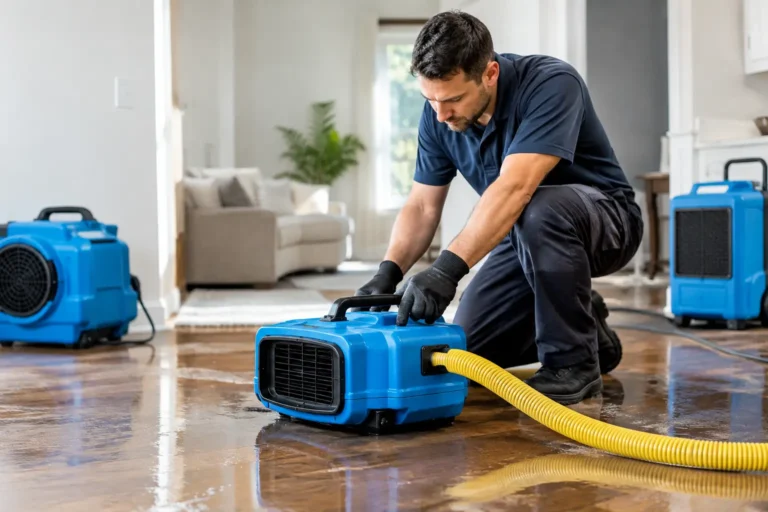
Look for discoloration, peeling paint, damp spots, warped flooring, visible mold, or a smell that gets worse after rain or when the air conditioner runs. If moisture is present, simply deodorizing the area will not solve the problem. The moisture source needs to be corrected, and affected materials may need professional drying, cleaning, or restoration.
A Dryer Vent That Needs Attention
Laundry lint has a dry, dusty smell, and it can collect beyond the lint screen. A clogged dryer vent may leave the laundry area smelling stale and can also make clothes take longer to dry. More importantly, lint buildup is a fire risk.
Clean the lint screen after every load and have the full vent path checked when drying times increase, the laundry room feels unusually warm, or you notice lint around the outside vent cover. This is one cleaning task where safety matters as much as freshness.
How to Get Rid of a Dusty Smell at Home
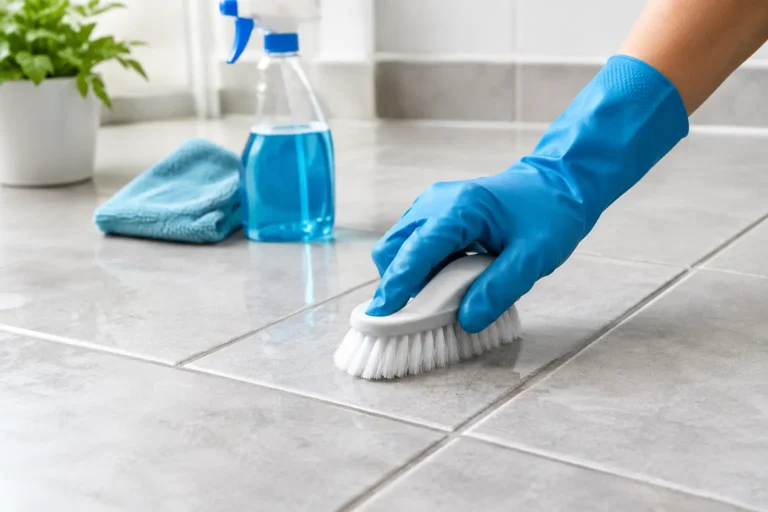
Start with the simplest fixes and pay attention to when the odor changes. Replace the HVAC filter if it is due, then vacuum floors, rugs, furniture, and mattress surfaces using attachments that reach edges and crevices. Wash washable bedding, blankets, and curtains, and clean hard surfaces with a damp microfiber cloth so dust is captured rather than pushed into the air.
Next, focus on airflow. Open windows when outdoor conditions allow, run bathroom and kitchen exhaust fans, and keep supply and return vents clear of furniture and clutter. If the smell is strongest when the system starts, note whether it improves after a filter change or persists through several cycles.
Avoid trying to cover the odor with candles, fragrance sprays, or plug-in air fresheners. They may mask the problem temporarily, but they do not remove dust, allergens, lint, or moisture. In some homes, heavy fragrance can also irritate people with allergies or respiratory sensitivities.
For a more thorough reset, clean one room at a time. Move lightweight furniture, vacuum underneath it, wipe baseboards and blinds, launder removable fabrics, and inspect vent covers. This approach makes it easier to identify whether the smell is limited to a single room or coming from the whole-home air system.
When Professional Cleaning Is the Better Choice
Routine cleaning is effective for everyday dust, but there are situations where professional service can save time and provide a more complete result. Consider scheduling help when the odor returns quickly, dust appears around vents soon after cleaning, carpets and furniture hold persistent odors, or there has been a leak, flood, renovation, pest issue, or fire-related soot.
A qualified cleaning team can evaluate the areas that collect the most hidden buildup and recommend the service that fits the actual problem. Air duct cleaning may be appropriate for contaminated ductwork and excessive debris. Carpet, rug, drapery, mattress, and upholstery cleaning can help reduce dust trapped in fabrics. Water damage restoration is the right path when dampness is involved, while dryer vent cleaning addresses lint and airflow concerns.
For homeowners, renters, property managers, and businesses across Maryland, Washington, DC, and Northern Virginia, DMV Dream Clean provides specialized cleaning services designed to improve indoor cleanliness, air quality, and property safety. A clear assessment helps avoid paying for services that do not match the source of the odor.
Do Not Ignore These Warning Signs
A dusty smell alone is usually manageable, but act promptly if it is paired with a burning smell from vents, visible smoke, repeated HVAC problems, mold growth, water stains, or a dryer that overheats. Turn off affected equipment when it is safe to do so and arrange appropriate professional inspection or repair.
If household members have worsening allergy symptoms, persistent coughing, or breathing concerns, speak with a healthcare professional as well. Cleaning can reduce indoor particles, but health symptoms can have many causes and should not be self-diagnosed from an odor alone.
A fresh-smelling home is usually built through steady maintenance, not stronger fragrance. Clean the areas dust likes to hide, keep filters and vents on schedule, and treat moisture or persistent odors as a signal to look deeper rather than simply cover them up.