Patio cushions usually do not look dirty all at once. It starts with a faint water ring, a little pollen, maybe a spot of sunscreen or spilled coffee. Then one weekend you look outside and realize the whole seating area feels tired. If you are wondering how to clean outdoor cushions without damaging the fabric or trapping in mildew, the good news is that most cushions respond well to a careful, low-stress cleaning process.
The key is not using the strongest product you can find. Outdoor fabrics are built to handle sun and moisture, but they still wear down faster when they are scrubbed too aggressively or soaked for too long. A better approach is to clean based on what is actually on the cushion – surface dirt, food stains, mildew spots, tree sap, or deep-set odors – and let the material dry completely before it goes back outside.
How to clean outdoor cushions without damaging them
Before you mix any cleaning solution, check whether the cushion cover comes off and whether the manufacturer gives care instructions. That one step matters. Some outdoor cushion covers can be hand-washed or machine-washed on a gentle cycle, while others should only be cleaned on the surface. If the tag is missing, play it safe with mild soap, cool or lukewarm water, and a soft brush.
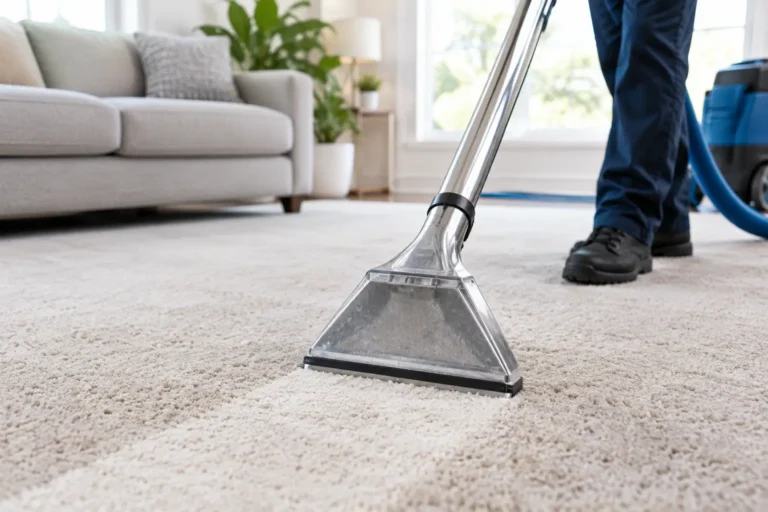
Start by shaking off loose debris and vacuuming the cushions with an upholstery attachment. This helps remove dust, pollen, crumbs, pet hair, and dried dirt before water turns it all into mud. Pay attention to seams, piping, and zipper edges where grit tends to collect.
Next, mix a simple cleaning solution. In most cases, mild dish soap or a gentle laundry detergent diluted in a bucket of water is enough. Dip a soft-bristle brush or sponge into the solution and clean the cushion surface in sections. Work with light pressure. You want to lift dirt from the fabric, not grind it deeper into the weave.
After scrubbing, rinse thoroughly with clean water. Leftover soap residue can attract more dirt and leave the fabric feeling stiff. A garden hose on a gentle setting usually works well, but avoid blasting the cushion at close range. High pressure can damage fibers and force moisture deep into the fill.
Drying is just as important as washing. Stand the cushions on edge in a sunny, well-ventilated area so water can drain and air can circulate. If possible, flip them during drying. Putting cushions back on furniture while they are still damp is one of the fastest ways to end up with mildew and musty smells.
The best way to handle common outdoor cushion stains
Not every stain should be treated the same way. A general wash is fine for everyday grime, but spot treatment is often better for concentrated stains. Acting quickly usually gives you the best result.
For food and drink spills, blot first instead of rubbing. Then use a mild soap solution and a sponge to clean the area from the outside in. That helps keep the stain from spreading. If the mark remains, a second round with a fabric-safe upholstery cleaner may help, but test a small hidden area first.
For grease, sunscreen, or oily residue, plain soap may not be enough at first. Sprinkle a little baking soda or cornstarch on the spot to absorb surface oil, let it sit briefly, then brush it away before cleaning with soap and water. The trade-off is that oil stains can take a few passes. Rushing the process with harsh degreasers may fade the color.
For bird droppings, tree sap, or sticky residue, let the material soften before scrubbing. A damp cloth and patience usually work better than force. Scraping too hard can rough up the fabric surface.
Pollen and red clay can be especially frustrating in the DC, Maryland, and Virginia area because they cling to fabric and seem to come back overnight. Dry-brushing or vacuuming before washing helps prevent those particles from smearing into the cushion.
How to clean outdoor cushions with mildew or mold spots
Mildew is where many homeowners go wrong. They see a few black or green spots and reach for bleach immediately. Sometimes bleach works on white or bleach-safe materials, but on many outdoor cushions it can weaken fabric, fade patterns, and leave uneven discoloration.
A safer first step is a mixture designed for mildew removal that is approved for upholstery or outdoor fabric. You can also try a mild soap solution with white vinegar on affected areas if the cushion material tolerates it. Gently scrub the spots, rinse thoroughly, and dry the cushion completely in direct sun if possible.
If the mildew has spread into the cushion fill, the issue is bigger than a surface stain. You may be able to improve the appearance, but the odor and spores can remain inside. In that case, deeper professional upholstery cleaning may be the better option, especially for larger sectionals, hospitality seating, or cushions used in shared outdoor spaces.
It also helps to ask why mildew formed in the first place. Cushions stored in deck boxes without ventilation, left outside through long wet periods, or placed against damp surfaces tend to have repeat problems. Cleaning the stain without fixing the moisture issue usually leads to a short-term result.
Can you machine wash outdoor cushion covers?
Sometimes yes, but only if the care label allows it. Removable covers can be easier to freshen up in a washing machine, especially when the issue is overall dinginess rather than a specific stain. Use a gentle cycle, mild detergent, and cold water unless the label says otherwise.
Even then, skip high heat in the dryer. Heat can shrink certain fabrics, damage backing materials, or warp the shape of the cover so it no longer fits the cushion properly. Air drying is the safer choice.
If the insert got wet too, do not ignore it. A clean cover placed back over a damp insert can still trap odors and mildew. Make sure both parts are fully dry before reassembling.
When DIY cleaning is enough and when it is not
For routine dirt, fresh spills, and light seasonal buildup, a do-it-yourself cleaning is usually enough. The process is simple, affordable, and effective when you catch problems early. That is often all a homeowner needs at the start or end of patio season.
It becomes less straightforward when cushions are heavily stained, have deep odor issues, or have been exposed to long-term moisture. The same goes for commercial patios, apartment common areas, and furnished rental properties where appearance matters and turnaround time is tight. In those situations, a deeper cleaning can save time and produce a more even result.
Professional cleaning also makes sense when the fabric is expensive, the cushions are oversized, or the staining is severe enough that trial-and-error could make things worse. Companies that handle upholstery and specialty fabric cleaning know how to match the method to the material. For property owners who want fast, reliable results without guessing, that can be the more practical route.
How to keep outdoor cushions cleaner longer
Once you have gone through the work of cleaning them, a few simple habits make a real difference. Brush off debris regularly, especially after storms or high-pollen days. Clean small spills early before they set. Let cushions dry fully after rain, and avoid stacking or storing them while damp.
During long stretches of wet weather, storing cushions in a clean, dry, ventilated space helps extend their life. If you use protective covers, make sure they do not trap moisture underneath. Protection is helpful, but airflow still matters.
A seasonal deep clean is also worth it. Outdoor seating collects more than visible dirt. It picks up body oils, food residue, pet dander, and airborne grime over time. Keeping cushions clean is not just about looks. It helps maintain a fresher, more comfortable space for family, guests, tenants, or customers.
If your outdoor cushions still look worn after cleaning, that does not always mean they need to be replaced. Sometimes they need a more thorough treatment than a quick rinse on the patio. And sometimes the smartest move is getting help before stains set deeper, mildew spreads, or fabric damage becomes permanent. Clean seating makes the whole outdoor area feel better – and that is usually what people notice first.