You usually notice indoor air problems after they have already become a headache – more dust on furniture, stale smells that keep coming back, allergy flare-ups, or rooms that never seem to feel fresh. That is why indoor air quality trends matter right now. They are not just about technology or industry buzz. They reflect how homeowners, renters, property managers, and business owners are paying closer attention to what is circulating through their spaces every day.
For years, indoor air quality was treated like a background issue. If the heat worked and the AC turned on, most people assumed the air was fine. That mindset is changing. People are connecting everyday comfort with air duct buildup, clogged vents, dirty carpets, moisture issues, and overlooked maintenance. The shift is practical. Cleaner indoor air supports a cleaner property, better system performance, and fewer hidden problems building up over time.
Indoor air quality trends are getting more practical
One of the biggest changes is that people are moving away from quick-fix thinking. Air fresheners, candles, and small gadgets may help a room smell better for a while, but they do not remove dust inside ductwork, debris in dryer vents, soot near chimneys, or allergens trapped in carpet and upholstery. The stronger trend now is prevention.
That means more property owners are looking at the full picture. If air is moving through a dirty HVAC system, if vents are restricted, or if soft surfaces are holding onto dust and pet dander, air quality suffers no matter how often someone opens a window. The cleaner the systems and surfaces inside a property, the easier it is to maintain a healthier indoor environment.
This is especially true in busy households and commercial spaces. More foot traffic, pets, cooking, cleaning products, and constant HVAC use can all add up. In those settings, air quality is not just about filtration. It depends on regular maintenance and professional cleaning that reaches the areas most people cannot handle on their own.
Homes and businesses are paying more attention to hidden buildup
A major reason these concerns are growing is simple: people are learning that indoor air problems are often hidden. Dust inside ducts is out of sight. Lint inside dryer vents is easy to ignore. Moisture behind walls or under flooring may not be obvious until odors or damage appear. By the time symptoms show up, the issue has often been developing for a while.
This is where the trend becomes less about theory and more about inspection and action. Property owners want to know what is actually affecting their space. They are asking better questions. Is the HVAC system pushing dust from neglected ductwork? Is a fireplace or chimney contributing to odor or residue? Is old carpet holding onto allergens? Has past water damage left behind air quality concerns that still need attention?
Those questions matter because indoor air quality is rarely tied to one single cause. It is usually a combination of factors. A home with pets, an older HVAC system, and overdue carpet cleaning will have different needs than a medical office, retail storefront, or apartment building. There is no one-size-fits-all answer, and that is part of what defines current indoor air quality trends – more customized solutions based on how a property is actually used.
Clean air is now tied to safety, not just comfort
Another important shift is that indoor air quality is being viewed as a safety issue, not just a comfort upgrade. That distinction matters.
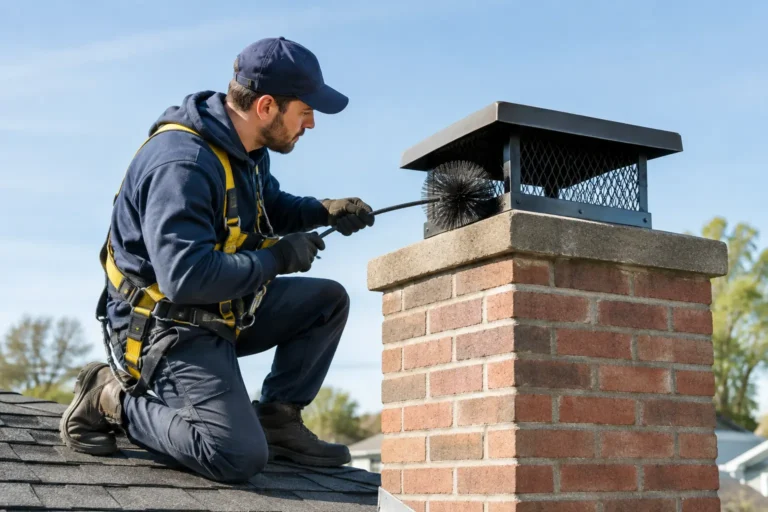
Dryer vent cleaning is a good example. Many people first think of it as a way to improve dryer performance. It does help with efficiency, but it also reduces fire risk caused by lint buildup. Chimney cleaning follows the same pattern. A cleaner chimney can improve air movement and reduce soot and residue issues, but it also helps address hazards tied to creosote buildup.
In other words, better air quality often overlaps with better system safety. The same service that helps reduce airborne dust or odors may also help prevent mechanical strain, overheating, or contamination from neglected buildup. Property owners are responding to that connection because it turns air quality from a vague concern into a clear maintenance priority.
For commercial spaces, this matters even more. Businesses are expected to keep indoor environments clean, presentable, and safe for staff and customers. Poor indoor air can affect comfort, cleanliness, and overall confidence in the space. For property managers, the stakes are similar. Preventive care is usually easier and more affordable than waiting for complaints, damage, or system problems to force action.
The biggest indoor air quality trends in service-driven care
The strongest trend in this space is not flashy equipment. It is service-driven care that addresses the sources of contamination. That includes air duct cleaning, dryer vent cleaning, carpet and upholstery cleaning, chimney sweeping, and restoration work when water damage has affected indoor conditions.
What these services have in common is that they target buildup people cannot solve with routine housekeeping alone. Vacuuming and dusting are helpful, but they only go so far. If contaminants are cycling through vents, sitting deep in fibers, or lingering after a moisture event, surface cleaning will not fully solve the problem.
At the same time, there is a trade-off worth mentioning. Not every property needs every service at once. Some homes benefit most from duct and vent cleaning. Others may need carpet and upholstery attention because allergens are collecting in soft surfaces. A property with recent leaks or flooding may need restoration first because moisture can create ongoing air quality concerns. The right approach depends on the age of the property, occupancy, pets, usage patterns, and maintenance history.
That is why experienced evaluation matters. A practical provider looks at what is happening in the space and recommends work based on real conditions, not a generic package.
People want faster, clearer solutions
Another trend shaping the market is convenience. Customers want answers quickly. They want clear communication, flexible scheduling, and a simple booking process. When someone is dealing with odors, dust, water damage, or a safety concern, they are not looking for a long lecture. They want a reliable local team that can explain the issue plainly and take care of it.
That demand has pushed reputable service companies to become more responsive and more transparent. Free quotes, direct phone booking, and straightforward recommendations are no longer extras. They are part of what customers expect. Trust is built through responsiveness just as much as technical skill.
For a company like DMV Dream Clean, that service model fits what local customers actually need. Homes and businesses across Maryland, DC, and Northern Virginia are looking for practical help, not guesswork. They want visible results, experienced technicians, and the confidence that the work will improve cleanliness, safety, and day-to-day comfort.
What property owners should watch for next
Indoor air quality trends are likely to keep moving toward whole-property maintenance rather than isolated fixes. That means more attention to how HVAC systems, vents, flooring, furniture, and moisture control all affect one another. It also means property owners will continue to expect proof of value. If a service improves airflow, reduces dust, removes odor sources, or helps prevent future problems, people want to see and feel the difference.
The best next step is not chasing every new product that hits the market. It is paying attention to the signs your property is already giving you. Persistent dust, musty smells, worsening allergies, slow dryer performance, visible vent buildup, or the aftereffects of water damage are all worth addressing sooner rather than later.
Cleaner indoor air rarely comes from one dramatic change. More often, it comes from taking care of the systems and surfaces that affect your space every day. When those areas are properly cleaned and maintained, the results are noticeable – fresher rooms, more efficient airflow, and a property that feels safer and better cared for.
If indoor air has not been part of your maintenance plan before, this is a smart time to change that. Small issues have a way of becoming bigger ones when they stay hidden.