You change your sheets, vacuum the room, and keep the house looking clean – but allergy symptoms still show up at night or first thing in the morning. That is often when the mattress becomes the missing piece. Mattress cleaning for dust mites is not just about appearance. It is about reducing one of the most common sources of indoor allergens where your body spends hours every day.
Dust mites are microscopic pests that feed on dead skin cells and thrive in warm, humid fabrics. A mattress gives them exactly what they want. Over time, the issue is not only the mites themselves, but the buildup they leave behind. That buildup can affect sleep comfort, indoor air quality, and allergy symptoms, especially for children, sensitive sleepers, and anyone with asthma.
Why dust mites build up in mattresses
A mattress naturally collects skin flakes, body oils, moisture, and dust. Even in a clean home, that combination creates a comfortable environment for dust mites. Unlike crumbs on a couch or visible dirt on a rug, this problem stays out of sight. That is why many people underestimate it.
Bedrooms also tend to hold onto warmth and humidity, especially if the home has limited airflow or the mattress sits on a solid base. If you rarely rotate the mattress, never vacuum it, or have older bedding, mite buildup can get worse over time. Memory foam and pillow-top styles can also trap more material simply because they have more padding and surface texture.
This does not mean every mattress is heavily infested or that every sneeze points to mites. It does mean that if symptoms are strongest around bedtime or waking up, the mattress is worth attention.
Signs you may need mattress cleaning for dust mites
Most people will not see dust mites, so the clues are indirect. Ongoing sneezing, itchy eyes, nasal congestion, mild coughing at night, or waking up with a stuffy nose can all point to allergen buildup in the bed. Some people also notice that their mattress smells stale even after fresh sheets go on.
Another sign is age. If a mattress has gone years without deep cleaning, there is usually a meaningful amount of dust, dander, and organic debris inside the surface layers. Homes with pets, high humidity, or wall-to-wall carpet in the bedroom may deal with faster buildup.
There is some overlap with other issues, of course. Mold, pet dander, and poor HVAC filtration can cause similar symptoms. That is why mattress cleaning works best as part of a broader indoor cleanliness plan, not as a one-step fix for every allergy problem.
What works and what does not
When people search for dust mite solutions, they often find extreme advice. Throw out the mattress. Spray everything with chemicals. Cover the bed and hope for the best. The truth is more practical.
Vacuuming the mattress helps, especially with a vacuum that has strong suction and a HEPA filter. It can remove surface dust and some allergen particles. Washing sheets and pillowcases weekly in hot water also matters because bedding is the first layer where mites and allergens collect.
What does not work well on its own is light surface cleaning or masking odors with fabric sprays. Dust mites live below the top layer, and their waste particles stay embedded in fabric and cushioning. Simply freshening the mattress is not the same as removing the buildup that causes the problem.
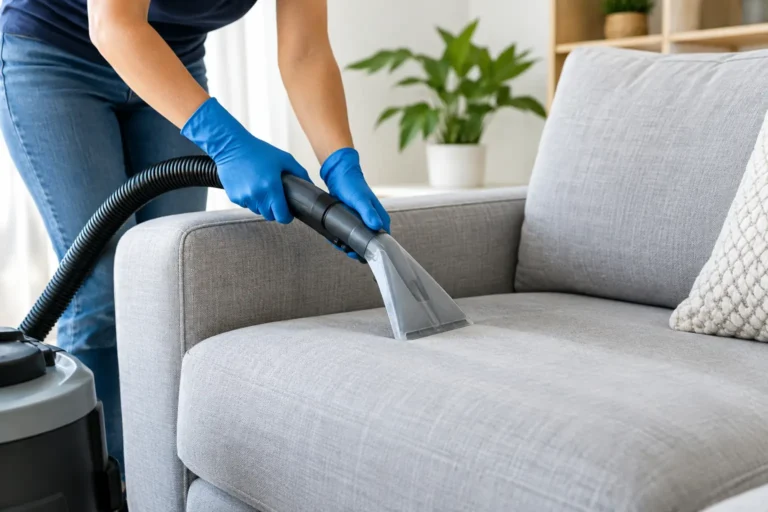
Steam can help in some cases because heat can reduce mite activity, but it has to be used carefully. Too much moisture can create a different issue if the mattress does not dry fully. That is one reason do-it-yourself methods are not always the best choice, especially for thicker mattresses or homes with limited ventilation.
How professional mattress cleaning helps
Professional service is designed to go beyond surface debris. A proper mattress cleaning process targets dust, dander, allergen buildup, and embedded contaminants while using methods that fit the mattress material. That matters because not every mattress handles heat, moisture, or agitation the same way.
A trained technician can assess the condition of the mattress, use specialized equipment to extract buildup more effectively, and avoid the kind of overwetting that can lead to lingering dampness. For households trying to improve sleep conditions, this is often the difference between a mattress that looks cleaner and one that actually feels fresher and contributes to a healthier bedroom.
This is also where convenience matters. Busy households and property managers usually do not want trial and error. They want a clear service, a fast appointment, and visible results. That is especially true when a guest room, rental property, or child’s room needs attention quickly.
Mattress cleaning for dust mites at home
If you are not ready for professional service yet, there are still smart steps you can take. Start with the basics and be consistent. Strip the bed fully, wash all bedding in hot water, and dry it thoroughly. Vacuum the mattress slowly using an upholstery attachment, paying extra attention to seams, edges, and tufted areas.
If your mattress allows it, place it in direct sunlight for a few hours or at least open the room for better airflow. Sunlight and dryness make the environment less friendly to mites, although this is more of a support step than a complete solution. Then add a quality allergen-resistant mattress encasement. That cover helps limit future accumulation and makes routine care easier.
It is also worth reducing humidity in the bedroom if it tends to feel damp. Running air conditioning, improving ventilation, or using a dehumidifier can help. Dust mites do better in humid conditions, so a drier room supports every other cleaning step.
Still, home care has limits. If the mattress has years of buildup, heavy use, stains, pet exposure, or strong odors, basic maintenance may not be enough.
When to schedule professional cleaning
There are a few situations where professional mattress cleaning makes especially good sense. One is when someone in the home has allergy or asthma symptoms that get worse in bed. Another is when the mattress has not been deep cleaned in a long time and regular vacuuming has not improved the situation.
It also makes sense after illness, after moving into a new home, when preparing a nursery, or when turning over a rental or guest space. In those cases, people are not just looking for a cleaner-looking mattress. They want peace of mind.
For many homes, periodic professional cleaning is the most practical middle ground. It helps extend the life of the mattress, improves freshness, and reduces hidden buildup without forcing an early replacement. That can be a far better value than waiting until the mattress feels beyond saving.
How often should a mattress be cleaned?
It depends on the household. For a typical home, deep cleaning once or twice a year is a reasonable target, especially if anyone has allergies. Homes with pets, children, high humidity, or frequent guests may need more frequent attention.
Routine maintenance in between matters just as much. Weekly sheet washing, regular bedroom vacuuming, and protective covers all help slow down the return of dust mites and allergens. Professional service works best when it is paired with those habits.
If you are unsure, use symptoms and usage as your guide. A primary bedroom mattress used every night will need more care than a rarely used guest bed.
A cleaner mattress supports a healthier room
People often focus on floors, vents, and visible surfaces when they think about indoor cleanliness. The mattress gets overlooked because it looks still and tidy under the sheets. But for allergy control, sleep comfort, and overall freshness, it deserves real attention.
Mattress cleaning for dust mites is one of those services that solves a problem many people feel without fully seeing. When the mattress is properly cleaned, the bedroom can feel lighter, fresher, and more comfortable almost immediately. For households that want a cleaner, safer sleeping space without guesswork, professional help is often the simplest way forward – and a smart step toward healthier indoor living.