A wet ceiling, soaked carpet, or overflowing appliance line can change the condition of a property in hours. The water restoration industry trends affecting homes and businesses now are centered on one goal: finding moisture sooner, drying materials correctly, and preventing a small water event from becoming a larger repair, mold, or indoor air quality problem.
For homeowners, renters, property managers, and business owners across Maryland, Washington DC, and Northern Virginia, the biggest shift is not simply more equipment. It is a higher standard for response, documentation, safety, and clear communication. Restoration work is becoming more precise, and that matters when protecting the parts of a building people cannot always see.
Water Restoration Industry Trends Changing the Job
Faster response is becoming the baseline
Water moves quickly through carpet padding, drywall, insulation, baseboards, and subfloors. A pipe leak that appears contained can spread behind a wall or under flooring before anyone notices it. That is why faster scheduling and rapid initial assessment have become major expectations in restoration.
Speed does not mean rushing through the work. A professional response starts with identifying the source, stopping additional water intrusion when possible, and assessing what materials are wet. The sooner drying begins, the better the chance of saving flooring, contents, and structural materials. It can also reduce downtime for offices, retail spaces, rental units, and other customer-facing properties.
For property owners, this trend reinforces a practical rule: do not wait for visible staining or a musty smell to take a water issue seriously. If water has reached porous materials, a prompt inspection can make the recovery process less disruptive and less expensive.
Moisture detection is more precise
Visible water is only part of the picture. Modern restoration increasingly relies on moisture meters, thermal imaging, hygrometers, and careful material testing to locate water that has migrated beyond the obvious damaged area.
Thermal imaging can help identify temperature differences that may point to hidden moisture. Moisture meters help technicians confirm whether a wall, floor, or trim piece is actually wet and track progress during drying. Air readings help determine whether dehumidification and airflow are achieving the right conditions.
These tools are valuable, but they are not a replacement for experience. A cold spot on a thermal image is not automatically a leak, and a single meter reading does not tell the entire story. The best results come from combining equipment readings with visual inspection, knowledge of building materials, and repeat checks as conditions change.
Drying plans are becoming more targeted
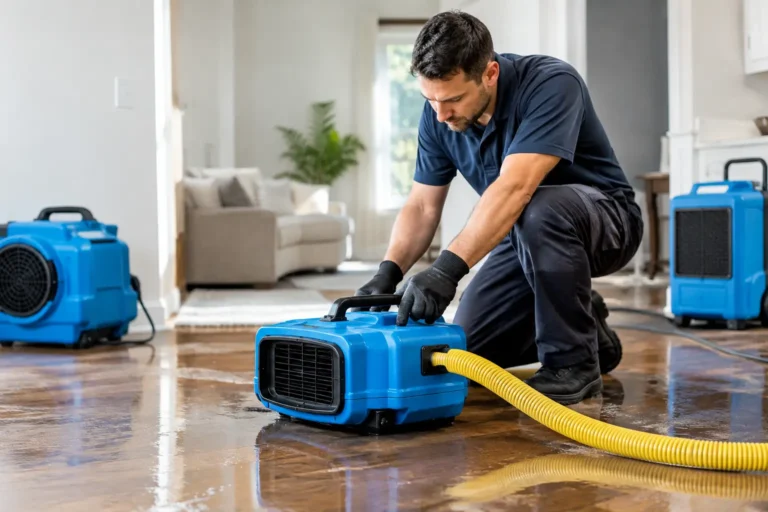
Older assumptions about restoration often focused on placing fans in a wet room and waiting. Air movers remain important, but effective drying is a controlled process. It requires the right balance of airflow, dehumidification, temperature, and monitoring.
Targeted drying plans are especially important because different materials react differently to water. Hardwood flooring, engineered wood, carpet, drywall, plaster, insulation, and concrete each have their own drying challenges. Some materials can be dried and restored if addressed promptly. Others may need removal because they hold moisture, lose structural integrity, or cannot be cleaned safely after certain types of water exposure.
This approach also helps avoid unnecessary demolition. In some cases, strategically drying a wall cavity or carefully lifting carpet can preserve more of the property. In other cases, opening a small area is the safest choice because moisture has become trapped. The right decision depends on the source of water, how long it has been present, the materials involved, and the readings collected during the job.
Safety and Indoor Air Quality Are Taking Center Stage
One of the most meaningful water restoration industry trends is the stronger connection between water damage and indoor air quality. Water damage is no longer viewed as only a cosmetic concern. Wet materials can create odors, support microbial growth, and spread contaminants through occupied spaces if they are not handled correctly.
Clean water from a broken supply line is handled differently than water from a toilet backup, sewage line, storm flooding, or other contaminated source. The latter situations may require more extensive cleaning, removal of affected porous materials, protective measures for occupants and workers, and careful containment. A room may look dry on the surface while still containing contamination or moisture below the flooring.
For families, this matters most in bedrooms, basements, nurseries, and living areas where people spend significant time. For businesses, it matters in restaurants, offices, medical facilities, retail spaces, and rental properties where a water issue can affect employees, customers, and tenants. A proper restoration plan should address both dry materials and a clean, healthy indoor environment.
Mold prevention begins on day one
Mold prevention is often discussed after a water loss, but the most effective prevention happens immediately. Fast extraction, controlled drying, removal of unsalvageable materials, and humidity management all reduce the conditions mold needs to develop.
That does not mean every water incident results in mold, or that every dark spot is mold. It does mean that delays create more uncertainty. If a leak has been active for days or weeks, or if materials still feel damp after an incident, an inspection is the sensible next step. Musty odors, bubbling paint, warped floors, and recurring stains are also signs that moisture may still be present.
Documentation Is Becoming Part of Better Property Care
Property owners increasingly need clear records of what happened, what was affected, and what work was completed. This is particularly useful for commercial properties, multifamily buildings, landlords, and homeowners managing an insurance claim.
Professional documentation can include photos, moisture readings, equipment placement records, daily drying progress, and notes on materials that were removed or saved. It gives owners a clearer view of the restoration process and helps reduce confusion when multiple parties are involved.
Documentation does not guarantee an insurance outcome, because coverage depends on the policy, cause of loss, and insurer review. Still, organized records can make it easier to explain the event and demonstrate that reasonable steps were taken to limit further damage. For a property manager, that same information can help identify recurring issues such as plumbing failures, roof leaks, or drainage problems across a building.
Prevention Is Becoming a Year-Round Service Need
The restoration industry is also shifting from emergency-only thinking to preventive property care. Water damage often starts with a small, avoidable failure: a slow supply-line leak, clogged condensate drain, aging water heater, poorly sealed window, roof issue, appliance hose, or backed-up drain.
Seasonal weather makes prevention especially relevant in the DMV area. Heavy rain can expose drainage and roof weaknesses. Freezing temperatures can strain pipes. Humid summers can make a damp basement or poorly ventilated area harder to dry. Regular inspections and prompt repairs are often less costly than waiting for a visible failure.
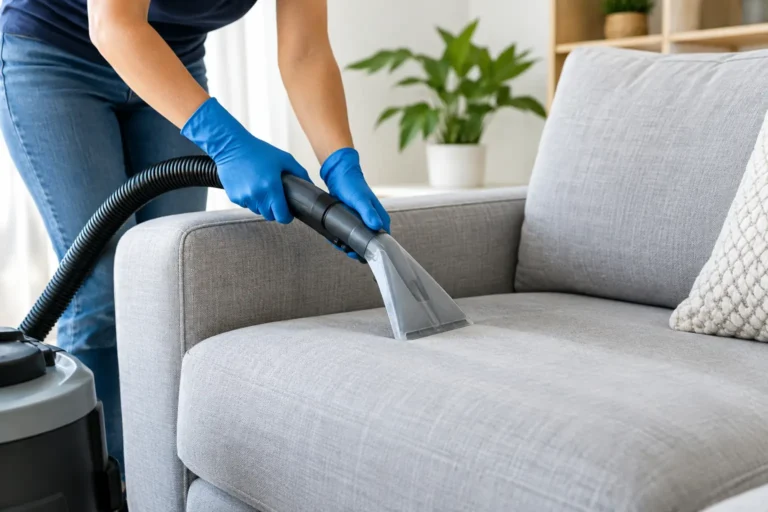
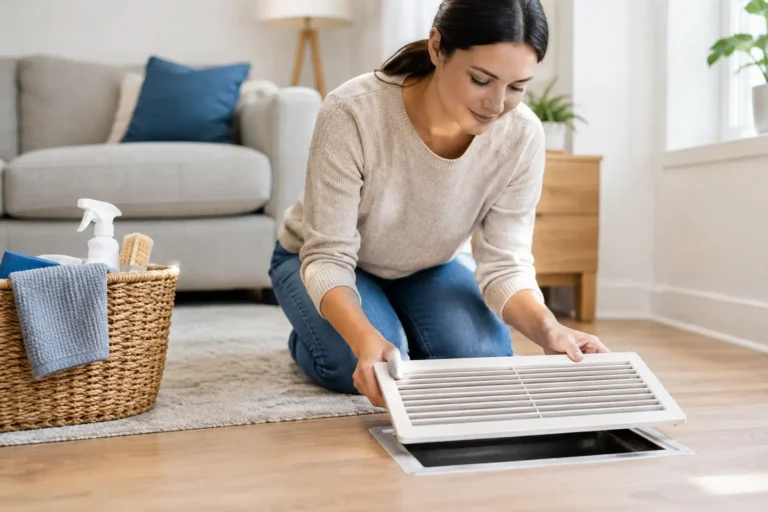
Preventive care also connects naturally with other building services. Clean dryer vents reduce fire risk, while clean air ducts and well-maintained HVAC components can support healthier air circulation. If water has affected carpet, upholstery, rugs, or ductwork, addressing those materials as part of the larger cleanup plan may help restore the space more completely.
What Property Owners Should Expect From Restoration Service
The most useful trend for customers is greater transparency. A dependable restoration provider should explain what is wet, what can likely be saved, what equipment is needed, and what the next steps look like. You should not be left guessing why drying equipment is running or whether the affected area is actually improving.
Ask about the water source, the materials affected, the expected drying timeline, and how progress will be monitored. If contamination is a concern, ask what cleaning and removal measures are recommended. Clear answers are a sign that the work is being planned around your property rather than treated as a one-size-fits-all job.
At DMV Dream Clean, the focus is on responsive service, practical solutions, and helping customers restore cleaner, safer spaces with less stress. When water enters a home or business, acting early gives you more options. A quick call for an assessment can protect the property you have worked hard to maintain.