A basement can look mostly dry within a day and still hold enough moisture to create odors, damage finishes, and support mold growth. This basement drying success example shows why the first visible improvement is not the finish line. It is the point where careful moisture control matters most.
The situation is common across Maryland, Washington DC, and Northern Virginia: a homeowner notices water near a utility room after a plumbing supply line leaks overnight. The water does not reach the entire basement, but it spreads across the concrete floor, soaks the lower edges of finished drywall, and wicks into carpet padding in an adjacent room. The leak is repaired, but the property still needs to be dried correctly.
Basement Drying Success Example: What Happened
In this representative restoration scenario, the homeowner acted quickly. They shut off the water, moved boxes and small furniture away from the affected area, and requested professional help that same morning. Fast action reduced the amount of water the materials could absorb, but it did not eliminate the need for a structured drying plan.
At arrival, the restoration team identified three separate concerns: standing water on the concrete, damp carpet and padding, and moisture trapped behind the baseboards and lower drywall. The visible water was only part of the problem. Water follows gravity, travels under flooring, and can be absorbed by materials well beyond the obvious wet spot.
The basement had a mix of materials, including concrete, vinyl flooring, carpet, painted drywall, and stored belongings. That mix shaped the plan. Concrete can often be dried effectively, while wet carpet padding usually needs to be removed because it holds water, dries slowly, and can keep the carpet from drying evenly. Whether drywall can be saved depends on how long it was wet, how much water it absorbed, and whether the water source was clean.
The First 24 Hours Made the Difference
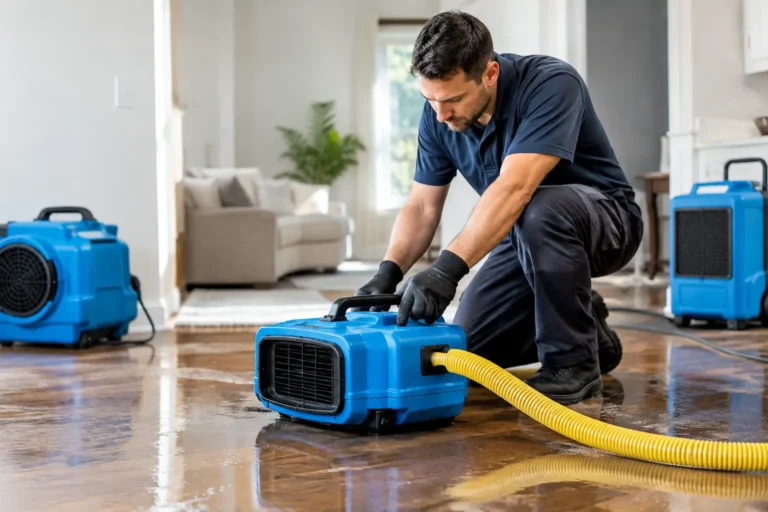
The first priority was extraction. Technicians used professional equipment to remove standing water and pull as much moisture as possible from the carpet. Removing water through extraction is more effective than relying on fans alone. The less water left in the materials, the faster and safer the drying process can be.
Next, the crew removed the wet carpet padding and detached portions of the carpet where needed to improve airflow. Baseboards were carefully removed in affected areas so moisture readings could be taken along the lower wall sections. A small amount of drywall that remained overly wet was cut out rather than left to dry slowly behind a finished surface.
This step can feel frustrating for a homeowner because it creates a visible repair task. Still, selective removal is often the better choice when a material cannot be dried reliably. Trying to save every piece of wet material may cost less on the first day, but it can lead to lingering odors, damaged walls, or mold concerns later.
The team also documented the affected areas and recorded moisture readings. That documentation gave the homeowner a clear picture of what was wet, what had been removed, and what needed monitoring. Good restoration work should not rely on guesswork or on how dry a room feels to the touch.
Drying the Air and the Materials
After extraction and selective removal, the focus shifted to controlled drying. Air movers were positioned to direct airflow across damp surfaces, while dehumidifiers pulled moisture from the basement air. The equipment worked together: air movement helps moisture leave wet materials, and dehumidification keeps that moisture from simply staying in the room.
A closed drying environment was important. Opening basement windows can sometimes help in mild, dry weather, but it can also bring humid outdoor air inside. During a hot, humid DMV summer day, open windows may slow the drying process rather than improve it. The right approach depends on outdoor humidity, indoor conditions, and the equipment being used.
The homeowner was asked to keep the affected area clear, avoid turning off the equipment, and limit opening doors to the drying zone. The equipment can be noisy, and that is a real inconvenience. But uninterrupted operation helps reduce total drying time and supports consistent moisture control.
Technicians returned to check readings rather than assuming the basement was dry because it looked better. Moisture meters were used on the drywall, trim areas, and other affected materials, while temperature and humidity conditions were monitored. The goal was to verify that readings had returned to an acceptable dry standard, not simply to remove the equipment on a convenient schedule.
Results After Three Days of Drying
By the third day, the concrete floor and remaining carpet had reached dry targets. The lower wall areas that had been opened were dry, and the basement no longer had a damp or musty smell. Because the homeowner responded promptly and the crew removed materials that could not be dried properly, the affected area avoided a more extensive demolition project.
The success was not that every item remained untouched. The carpet padding and a limited section of drywall had to be removed. The success was that the water damage was contained, the remaining materials were verified dry, and the homeowner had a clean path to complete minor repairs without carrying hidden moisture into the future.
That distinction matters. A basement drying job is successful when the space is safe to restore, not when the water disappears from sight. The right outcome protects the structure, supports healthier indoor air, and gives the property owner confidence that the problem was addressed at its source.
What Homeowners Can Learn From This Example
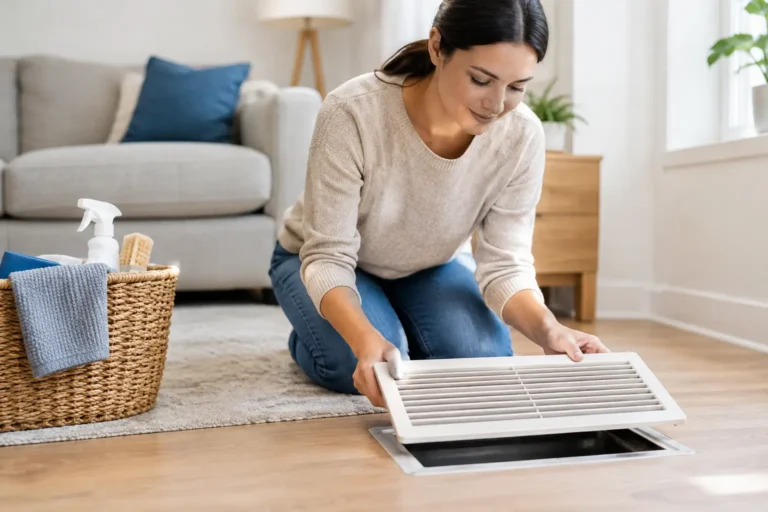
A quick response was the biggest advantage in this case. If you find water in a basement, stop the source if it is safe to do so, keep people away from electrical hazards, and move dry belongings out of the affected area. Avoid using a household vacuum on standing water or running your HVAC system if you suspect water has reached equipment or ducts.
Photos can help document the initial condition, especially if you need to speak with an insurance provider or property manager. Then arrange a professional assessment as soon as possible. A qualified restoration team can determine where moisture traveled, extract water efficiently, and make practical recommendations about what can be dried and what should be removed.
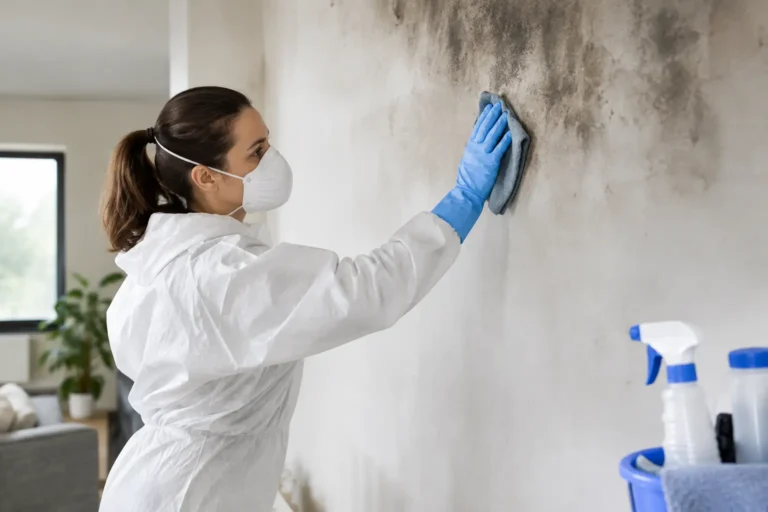
Not every basement leak requires the same response. A small spill on sealed concrete may dry quickly with basic cleanup. A sewage backup, flooding from outside, water that has sat for days, or water affecting finished walls and carpet requires a more careful approach. Contaminated water adds sanitation concerns, while long-term moisture raises the risk of material damage and mold growth.
For renters, report the issue immediately and document the condition before moving belongings. For property managers and business owners, fast professional drying can limit downtime, protect inventory, and reduce the chance that a small maintenance issue becomes a larger restoration claim.
When to Call for Professional Basement Drying
Call for help promptly when water has soaked carpet or padding, reached drywall or insulation, entered a finished basement, caused a persistent musty odor, or affected a large area. You should also request an assessment if water came from a drain backup, stormwater intrusion, or an unknown source.
DMV Dream Clean helps homeowners and property managers respond to water damage with practical extraction, drying, and moisture-monitoring services. The goal is straightforward: address the water quickly, verify that materials are dry, and help protect the condition of the property.
If your basement is wet right now, do not wait for the room to “air out” on its own. The best next step is to stop the source, protect the area, and get a clear assessment while the damage is still manageable.