When allergy symptoms keep showing up indoors, the cause is often closer than you think: dust settled in carpet fibers, pet dander on upholstery, pollen tracked through entryways, or moisture feeding mold in a hidden area. The best ways to reduce allergens are not about making a home perfectly sterile. They are about removing the places where allergens collect and preventing them from building back up.
For homeowners, renters, property managers, and business owners in Maryland, Washington DC, and Northern Virginia, a consistent cleaning and maintenance plan can make indoor spaces feel noticeably fresher. The right plan depends on your building, your pets, your flooring, and whether anyone has allergies or asthma, but the fundamentals stay the same.
Best Ways to Reduce Allergens at Home
Start with the air you circulate
Your HVAC system moves air throughout the property, along with whatever is in that air. Dust, pollen, pet dander, and fine debris can settle in vents and ductwork over time. While changing a return-air filter is a basic first step, it does not clean the dust that has already accumulated in the system.
Use the filter size and rating recommended for your HVAC equipment, and check it regularly during high-use seasons. A higher-efficiency filter may capture smaller particles, but it is not always the best choice for every system. Filters that are too restrictive can reduce airflow if the equipment is not designed to handle them. If you are unsure, ask an HVAC professional what your system can support.
Professional air duct cleaning can be useful when ducts show visible dust buildup, after renovation work, following water damage, or when a property has not had service in years. It is also worth considering when occupants notice recurring dust shortly after cleaning. Clean ducts are one part of indoor air quality, not a replacement for routine surface cleaning or fixing moisture issues.
Keep humidity under control
Mold spores and dust mites thrive where moisture lingers. Bathrooms, basements, laundry areas, kitchens, and poorly ventilated storage rooms deserve special attention. A musty smell, condensation on windows, discoloration near ceilings, or damp carpet are signs that should not be ignored.
Aim to keep indoor humidity at a moderate level, generally around 30 to 50 percent. Run bathroom exhaust fans during and after showers, use kitchen ventilation while cooking, and repair plumbing leaks promptly. In a damp basement or lower level, a properly sized dehumidifier can help, but it will not solve an active leak, drainage problem, or flood-related damage.
Water damage needs quick action. Even a small amount of water that reaches carpet padding, drywall, or wood flooring can create conditions for mold growth if it is not dried correctly. Fast, professional water damage restoration helps protect the structure, limit odors, and reduce the chance of a larger indoor air quality problem later.
Treat carpets, rugs, and upholstery as allergen reservoirs
Soft surfaces make a room comfortable, but they also hold onto particles that hard flooring does not. Carpet fibers can trap dust, pet dander, pollen, and outdoor debris. Area rugs, fabric chairs, sofas, and mattresses can do the same, especially in homes with pets, children, or open windows during pollen season.
Vacuum carpet and rugs regularly using a well-maintained vacuum with effective filtration. Go slowly enough for the vacuum to lift embedded debris, and pay attention to edges, under furniture, and high-traffic paths. If someone in the home has significant allergies, vacuuming two or more times per week may be worthwhile during peak allergy months.
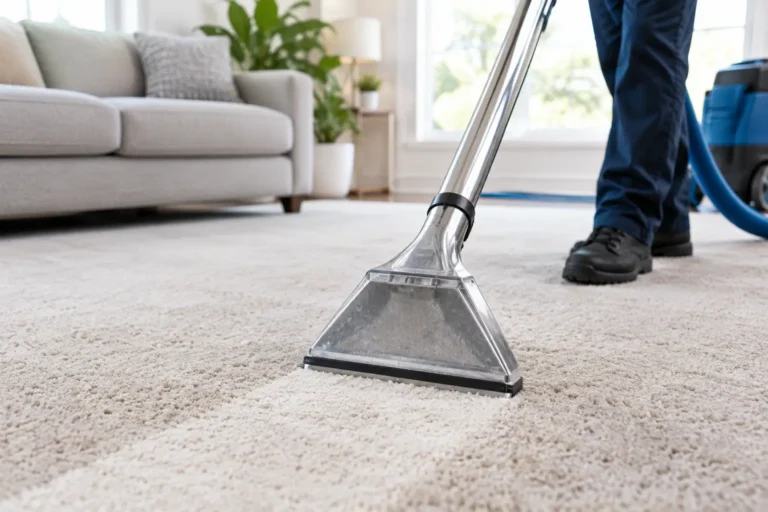
Routine vacuuming helps, but it has limits. Deep carpet and rug cleaning removes soil and debris that settle below the surface over time. Upholstery cleaning can also make a meaningful difference in rooms where people spend hours sitting, reclining, or sleeping. Mattress cleaning is particularly helpful for households managing dust mite concerns, since mattresses are used every day and are difficult to clean thoroughly with ordinary household tools.
Avoid soaking fabrics with too much water during DIY cleaning. Slow drying can worsen odors and moisture problems. Professional cleaning methods should be matched to the material, condition, and drying requirements of each item.
Stop allergens at the door
Pollen and outdoor particles enter on shoes, clothing, pets, bags, and open windows. You do not need to seal your home shut, but you do need a practical way to limit what gets carried inside.
Place durable mats outside and inside each main entrance, then clean them often. Take shoes off at the door when possible, particularly during wet weather and peak pollen periods. Wipe pets down after walks and wash bedding, blankets, and washable pet beds regularly. For homes near busy roads, construction areas, or heavily wooded lots, these habits can noticeably reduce the amount of debris that reaches floors and furniture.
During days with very high pollen counts, it may make sense to keep windows closed and rely on filtered HVAC air. On milder days, opening windows can be enjoyable and improve ventilation. The best approach depends on how strongly occupants react to seasonal allergens and how clean the surrounding outdoor air is.
Clean hard surfaces without stirring up dust
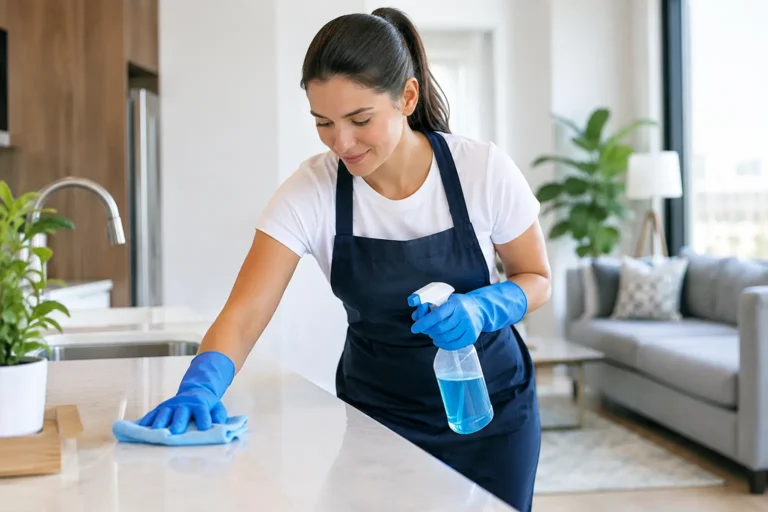
Dry dusting can send fine particles back into the air, where they settle again later. Use a slightly damp microfiber cloth on shelves, window sills, baseboards, ceiling-fan blades, and other horizontal surfaces. Work from high areas down to the floor so you are not cleaning the same dust twice.
Mop hard floors regularly, especially around entryways, kitchens, and pet areas. Pay attention to the overlooked spots: behind doors, beneath beds, under couches, and along baseboards. These areas often collect more dust than visible open floors.
For blinds, drapery, and curtains, cleaning frequency depends on the material and how much dust the room receives. Washable curtains can be laundered according to their care label. Delicate drapery may need professional cleaning to avoid shrinking, fading, or damage. This matters because window treatments often sit where airborne dust and pollen naturally settle.
Do not overlook hidden problem areas
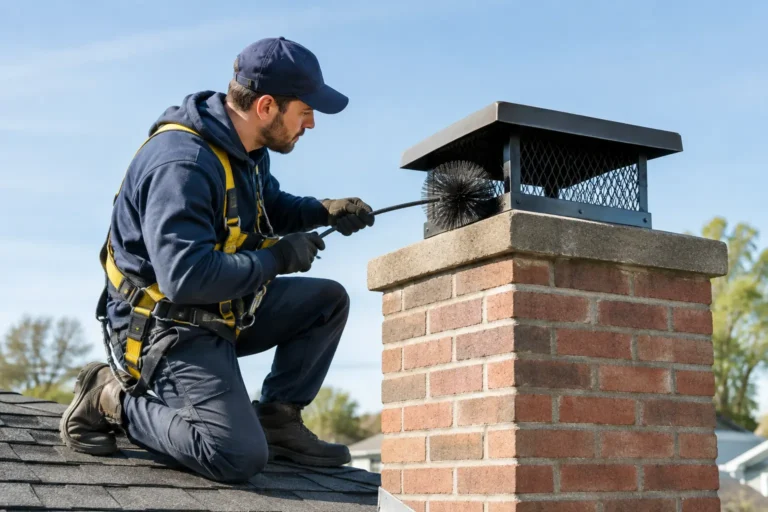
Allergen reduction is often less about the coffee table and more about the places people rarely inspect. Dryer vents can collect lint and reduce efficient airflow. Chimneys can accumulate soot and debris. Tile grout can hold moisture and grime. Each issue has a different impact, but all can contribute to a property that feels less clean and less well maintained.
If you see recurring stains, smell persistent odors, notice dust blowing from vents, or find damp spots that return after cleaning, address the source rather than repeatedly masking it. Air fresheners may cover odors for a few hours, but they do not remove the particles, moisture, or buildup causing them.
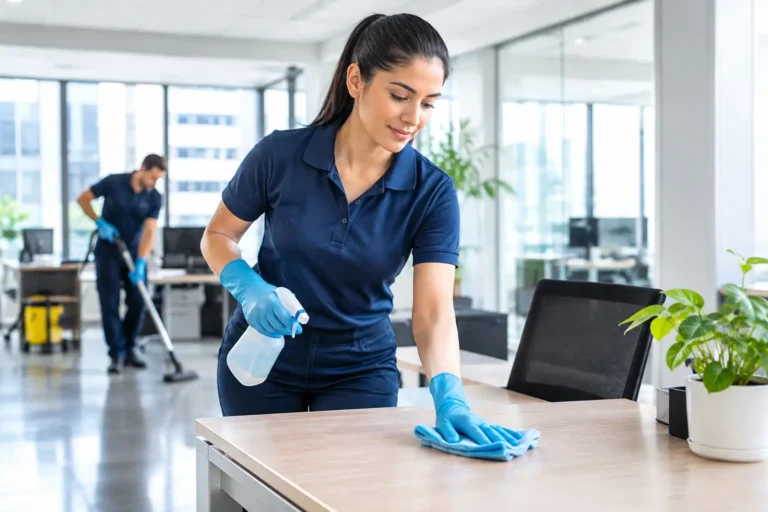
For multi-unit properties and commercial spaces, create a scheduled maintenance plan instead of waiting for complaints. Lobby carpet, shared hallways, tenant turnover areas, upholstered waiting-room furniture, and ventilation systems all benefit from regular attention. A predictable service schedule is easier to budget for and helps maintain a cleaner experience for residents, employees, and customers.
When Professional Cleaning Makes Sense
Household cleaning is essential, but specialty cleaning is useful when buildup is deep, widespread, or difficult to remove safely. Professional help is especially valuable after water damage, before or after a move, following construction, when pet odors persist, or when carpets and upholstery have not been deep cleaned for a long time.
A qualified cleaning team should explain what they see, recommend services based on the condition of the property, and avoid promising that one service will cure every allergy issue. Allergies have many triggers, including outdoor pollen and individual sensitivities. What professional cleaning can do is reduce indoor reservoirs of dust, dander, debris, and moisture-related contamination.
DMV Dream Clean helps local homes and businesses address these concerns through practical deep-cleaning and property-care services, including duct, carpet, rug, upholstery, mattress, and water damage cleaning. The goal is simple: a cleaner indoor environment and fewer places for allergens to hide.
The most effective routine is the one you can maintain. Start with the room where symptoms seem worst, remove the dust and moisture sources you find, and build from there. A few consistent changes can make the space feel cleaner long before the next allergy season arrives.