A short vacancy can feel expensive enough. A rushed, incomplete clean can cost even more when a new tenant walks into lingering odors, stained carpet, dusty vents, or a bathroom that does not feel truly fresh. Professional rental turnover cleaning helps property owners and managers reset the space between occupants, protect the condition of the property, and create a move-in experience that inspires confidence from day one.
For rentals across Maryland, Washington DC, and Northern Virginia, turnover cleaning is not simply a quick wipe-down. It is a practical property-care step that addresses the surfaces, systems, and hidden buildup a standard cleaning may leave behind.
What Rental Turnover Cleaning Should Accomplish
A proper turnover clean prepares the home for its next use. The goal is not just to make a property look acceptable in listing photos. It is to remove the evidence of daily living that can affect tenant satisfaction, indoor air quality, and the long-term condition of flooring, fixtures, and appliances.
The right scope depends on the property. A lightly used apartment after a one-year lease may need detailed kitchen and bathroom cleaning, carpet care, and touch-up attention. A home with pets, smokers, children, or a long-term tenant may require deeper odor treatment, upholstery cleaning, air duct service, or restoration work after leaks and stains.
The most reliable approach starts with the actual condition of the unit, not a one-size-fits-all checklist. Property managers need a service plan that fits the turnover timeline while giving the next resident a space that feels clean, safe, and cared for.
The Areas That Often Need More Than a Basic Clean
Visible surfaces matter, but many of the biggest turnover problems are found in the places tenants and cleaners can easily overlook. Carpets can hold tracked-in soil, pet dander, food spills, and odors even when they appear vacuumed. Professional carpet cleaning can improve appearance while removing deeply embedded buildup that contributes to unpleasant smells and premature wear.
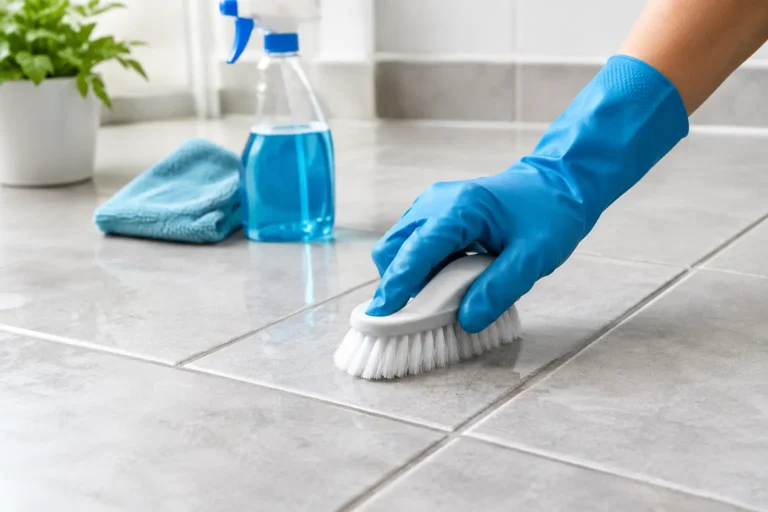
Bathrooms and kitchens need detailed attention because moisture, grease, soap residue, and food debris build up quickly. Tile and grout can become discolored, shower doors can develop stubborn mineral film, and appliance interiors may retain odors long after a tenant has moved out. These areas should feel sanitary as well as look polished.
Upholstered furnishings, area rugs, drapery, and mattresses may also need specialty cleaning in furnished rentals. Replacing these items at every turnover is rarely practical. Cleaning them properly can extend their usable life and help the property present better without unnecessary replacement costs.
Air Quality Can Affect the New Tenant’s First Impression
A unit can look spotless and still feel dusty or smell stale when the HVAC system has not been maintained. Dust, allergens, and debris can collect in air ducts over time, then circulate when the system starts running for the next tenant. This is especially noticeable after a long vacancy, a renovation, or a tenancy involving pets.
Air duct cleaning may be a smart addition when there is visible dust around registers, recurring odors, heavy allergen concerns, or evidence that the system has not been serviced for years. It is not needed at every single turnover, but it can make a meaningful difference in the right situation.
Dryer vent cleaning is another service property owners should not ignore. Lint buildup can reduce dryer performance and create a fire risk. For rentals with in-unit laundry, a turnover is a convenient time to schedule service before the next resident depends on the appliance.
Why Fast Does Not Have to Mean Rushed
Every vacant day affects rental income, so managers are right to prioritize fast scheduling and dependable completion. The problem comes when speed turns into skipped work. A surface-level clean may allow the unit to be shown quickly, but it can lead to complaints, repeat visits, poor reviews, or disputes over the move-in condition.
The better option is to organize cleaning around the turnover schedule. Inspection comes first, followed by a clear decision about what needs routine cleaning, specialty treatment, repair, or restoration. If carpet stains are permanent, for example, cleaning should be completed before deciding whether replacement is necessary. If there is a musty odor after a plumbing issue, the source should be assessed rather than covered with fragrance.
A coordinated approach can reduce delays. Cleaning carpets, rugs, upholstery, ducts, and hard surfaces through separate providers may create scheduling gaps and leave the property waiting. Working with a full-service team helps simplify the process, particularly when a unit needs more than standard housekeeping.
When Water Damage Changes the Turnover Plan
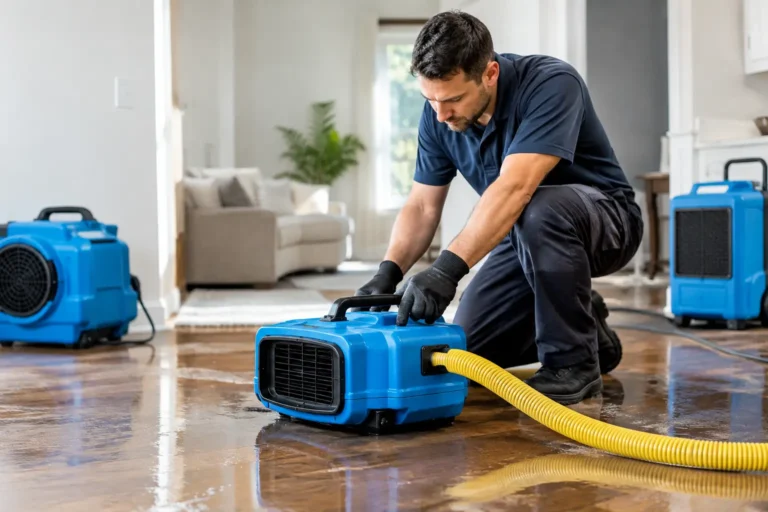
Water damage requires a different level of urgency. A small leak beneath a sink, behind a toilet, or near an appliance can leave moisture in flooring, drywall, or cabinetry. If it is not addressed correctly, the result can include odors, staining, material damage, and potential mold growth.
Do not treat water damage as a normal turnover-cleaning task. The area should be evaluated quickly so moisture can be removed and damaged materials can be addressed before a new tenant moves in. The cost of prompt restoration is often far lower than dealing with a larger repair after the property is occupied.
This is also where documentation matters. Property owners and managers benefit from clear communication about the condition found, services performed, and areas that may need repair beyond cleaning.
A Practical Rental Turnover Cleaning Plan
For most rental properties, the best process is straightforward: inspect the unit as soon as it is vacant, identify the services needed, schedule cleaning around maintenance work, and complete a final walkthrough before keys are handed over. This sequence prevents a freshly cleaned carpet from being tracked on by contractors or a cleaned bathroom from being affected by a later repair.
During the inspection, look beyond obvious dirt. Notice pet hair along baseboards, grease on cabinet tops, stains around appliance connections, discoloration in grout, residue inside the oven, dust at supply vents, and lint accumulation at the dryer connection. These details can shape a new tenant’s opinion of the property within minutes.
For recurring rentals, keep a record of what was completed at each turnover. Over time, this makes it easier to see when services such as air duct cleaning, dryer vent cleaning, carpet cleaning, or tile and grout care are due. It also supports consistent property standards across multiple units.
Choosing a Cleaning Partner for Turnovers
A turnover provider should be responsive, clear about the work being performed, and able to handle specialty issues when they arise. Price matters, but the lowest quote is not always the lowest cost if the job must be redone or a hidden issue is missed.
Ask whether the company can tailor services to the condition of the unit, work within your vacancy timeline, and provide straightforward communication. A dependable team should make it easier to book service, understand the scope, and know what to expect when the work is complete.
DMV Dream Clean supports property owners, renters, and managers with professional deep-cleaning and restoration services designed for real property needs. From carpets and upholstery to dryer vents, air ducts, tile, and water damage response, the focus is on cleaner spaces, safer systems, and a move-in-ready result.
A rental turnover is one of the few moments when every part of the property is accessible and ready for care. Use that window well. A clean, healthy, well-maintained home does more than welcome the next tenant – it helps protect the investment behind the door.