When allergy symptoms seem worse at home than outside, the cause is often hiding in the places you use every day: carpets, upholstered furniture, bedding, vents, and dusty hard-to-reach surfaces. The best allergy cleaning solutions do more than make a room look neat. They remove or reduce the particles that can collect indoors and keep coming back with normal daily activity.
For households in Maryland, Washington DC, and Northern Virginia, this is especially relevant during spring and fall pollen seasons, but indoor allergens are a year-round concern. Dust mites, pet dander, mold spores, pollen, and fine dust can settle into soft surfaces and circulate through the home. A practical cleaning plan focuses on the source, uses the right equipment, and avoids habits that simply move allergens from one surface to another.
What Makes an Allergy Cleaning Method Effective?
Allergy-focused cleaning is not about using the strongest-smelling product or disinfecting every surface. In fact, heavily fragranced sprays can be irritating for people with asthma, migraines, or chemical sensitivities. The goal is to capture allergens, remove them safely, and limit the moisture and clutter that allow dust and mold to build up.
The most effective methods usually combine regular maintenance with periodic deep cleaning. A microfiber cloth used slightly damp captures dust better than a dry feather duster, which can send particles back into the air. A vacuum with a sealed system and a true HEPA filter can help contain fine particles rather than recirculating them through the room.
The right solution also depends on the allergen. Pet dander can collect in upholstery and rugs. Dust mites thrive in mattresses, pillows, and fabric-covered furniture. Mold needs moisture control first, followed by proper cleaning and, when necessary, restoration. There is no single product that solves every allergy concern.
Best Allergy Cleaning Solutions by Area of the Home
Floors, Rugs, and Carpets
Carpet fibers can hold dust, pollen, dander, and soil well below the visible surface. Vacuum high-traffic areas at least twice a week if someone in the home has allergies, and move slowly enough for the vacuum to pull particles from the pile. Use attachments along baseboards, under furniture edges, and on stairs, where debris tends to gather.
Professional carpet cleaning becomes valuable when carpets look dull, have odors, or have not been deeply cleaned in a while. Proper hot-water extraction can remove embedded soil and allergens that routine vacuuming leaves behind. The trade-off is drying time. Carpets need to dry fully and promptly, because excess moisture can create conditions for mold or mildew. Good ventilation and professional equipment make a real difference.
Area rugs deserve the same attention, especially rugs near entryways, pet beds, sofas, and bedrooms. A rug may look clean on top while holding a surprising amount of fine dust underneath.
Upholstery and Drapery
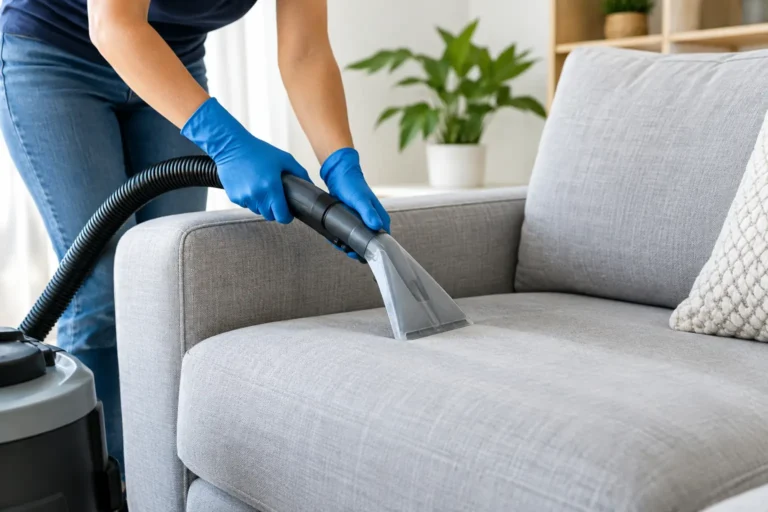
Sofas, chairs, curtains, and fabric headboards are common allergen reservoirs. They are also easy to overlook because they are not cleaned as often as floors. Vacuum upholstery with a HEPA-equipped tool when possible, including under cushions and along seams. Wash removable covers according to their care labels.
For fixed upholstery or delicate drapery, professional cleaning is often the safer choice. The wrong product can leave water marks, damage fibers, or leave residue that attracts more soil. A technician can select a cleaning method based on fabric type and condition while removing the buildup that household spot-cleaning may not reach.
Mattresses and Bedding
Bedding is one of the highest-priority areas for dust-mite control. Wash sheets and pillowcases weekly in hot water when fabric care instructions allow. Use allergen-proof covers for mattresses and pillows, particularly for anyone with diagnosed dust-mite allergies.
Mattresses cannot simply be tossed in the wash, and surface vacuuming only goes so far. Periodic professional mattress cleaning can help reduce dust, skin flakes, and allergens in the material. It is especially useful after a move, during an allergy flare-up, or when a mattress has gone years without a deep cleaning.
HVAC Vents and Indoor Air Pathways
Replacing HVAC filters on schedule is one of the simplest ways to support cleaner indoor air. Check the filter size and rating recommended for your system, then choose a filter that balances particle capture with proper airflow. A very restrictive filter can cause problems in a system not designed for it.
Air duct cleaning is not a cure for allergies, and it should not be treated as one. Still, it can be a sensible part of an allergy cleaning plan when ducts contain visible dust buildup, debris from a renovation, signs of moisture concerns, or contamination following water damage. Clean ducts can also be helpful after moving into a property with an unknown maintenance history.
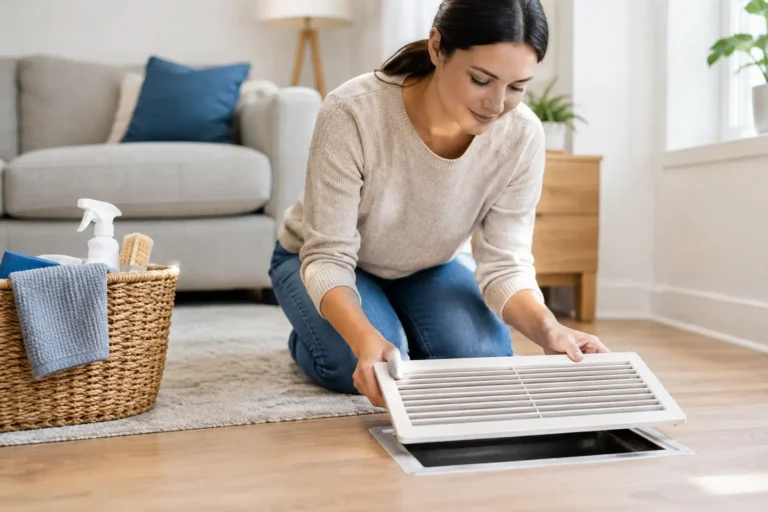
Do not forget return vents and supply registers. Wipe their covers regularly with a damp microfiber cloth, and keep furniture from blocking airflow.
Bathrooms, Basements, and Other Moisture-Prone Spaces
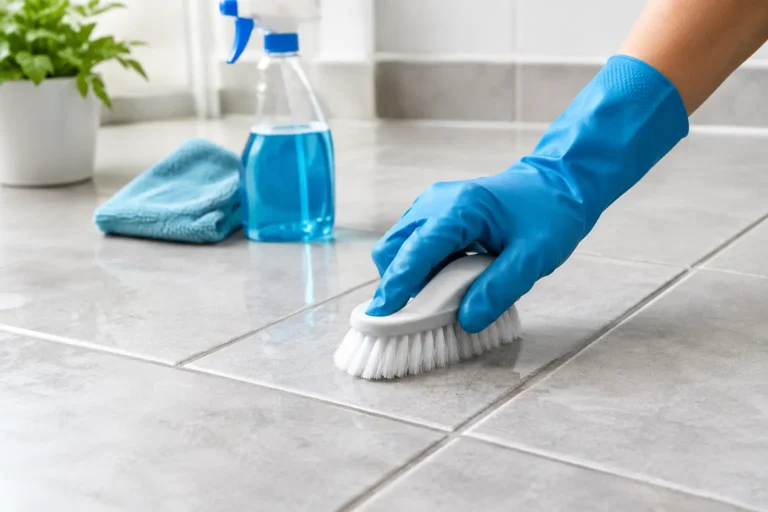
Mold is different from ordinary dust because cleaning alone may not solve the underlying issue. If a bathroom exhaust fan is weak, a basement has a recurring leak, or a pipe has caused water damage, moisture control comes first. Fix the source, dry affected materials promptly, and address damaged areas before mold can spread.
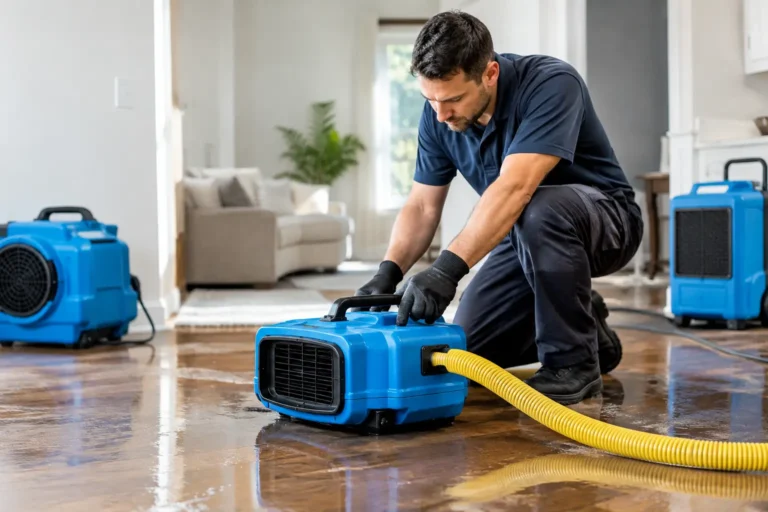
For small, nonporous surfaces, appropriate cleaning may be enough. Porous materials such as carpet padding, drywall, insulation, and upholstery may need more extensive work after significant water exposure. In those situations, professional water damage restoration helps protect the property and reduces the chance that a hidden moisture problem turns into a larger indoor air concern.
A Realistic Allergy Cleaning Routine
A consistent schedule is more useful than an occasional all-day cleaning sprint. Each week, wash bedding, vacuum floors and upholstery, wipe hard surfaces with damp microfiber cloths, and empty vacuum canisters outdoors if possible. Clean entry mats often, since shoes can bring in pollen, soil, and other outdoor particles.
Every month, clean vent covers, inspect bathroom and kitchen exhaust areas, wash pet bedding, and vacuum underneath larger furniture. During peak pollen season, keep windows closed when pollen counts are high and change clothes after spending extended time outdoors. This reduces the amount of pollen that reaches carpets, furniture, and beds.
Plan deeper cleaning for carpets, rugs, upholstery, drapery, mattresses, and ducts based on the home’s conditions. Homes with pets, children, smokers, recent construction, or heavy foot traffic usually need professional service more often than homes with fewer indoor particle sources.
Products and Habits That Can Make Symptoms Worse
A clean-looking home can still be unfriendly to allergy sufferers if cleaning methods leave irritants behind. Avoid overusing scented sprays, aerosol products, and harsh chemicals in enclosed spaces. Choose low-fragrance or fragrance-free products when sensitivity is a concern, and always follow label directions.
Be cautious with steam and water-based methods on materials that cannot dry quickly. Too much moisture in carpet, upholstery, or padding can create a bigger problem than the one you started with. Also avoid dry dusting, vigorous sweeping, and shaking rugs indoors, since these activities can push allergens into the air.
Air purifiers can be helpful in bedrooms and other frequently used rooms, but they work best alongside cleaning rather than instead of it. An air purifier cannot remove the dust and dander already trapped in a carpet or sofa.
When Professional Allergy Cleaning Is Worth It
Professional service is a practical next step when allergy symptoms persist despite regular cleaning, when odors linger in fabric surfaces, or when dust returns quickly after you clean. It is also worthwhile after water damage, a renovation, a move, or a long period without deep cleaning.
DMV Dream Clean helps homeowners, renters, and property managers address the surfaces and systems that routine cleaning may miss, including carpets, rugs, upholstery, mattresses, drapery, air ducts, and water-damaged areas. A customized service plan can focus on the rooms and materials that matter most instead of paying for work your property does not need.
A healthier home does not require perfection. It requires consistent attention to the places where allergens settle, a quick response to moisture problems, and the right level of professional help when buildup goes beyond ordinary cleaning.