A home can look clean while still holding the particles that make people sneeze, cough, wake up congested, or feel uncomfortable at work. That is why allergen control trends are moving beyond surface dusting and toward a more complete view of the indoor environment: the air people breathe, the fabrics they use, and the systems that circulate debris from room to room.
For homeowners, renters, property managers, and business owners, the goal is practical. Reduce the buildup that can aggravate allergies and create a fresher, more comfortable space without turning routine property care into a complicated project.
Allergen Control Trends Start With the Whole Indoor Environment
The biggest change in allergen control is the recognition that floors are only one part of the problem. Pollen enters through doors, windows, shoes, pets, and clothing. Dust mites thrive in soft materials. Pet dander settles into upholstery, rugs, bedding, and carpet fibers. Fine dust can collect inside air ducts and return through vents whenever the HVAC system runs.
This does not mean every home needs every cleaning service at once. The right plan depends on the property, the people using it, and the signs of buildup. A family with pets may need more attention on carpets and upholstery, while a commercial office may benefit most from cleaner ducts, entryway maintenance, and scheduled carpet care.
The trend is toward targeted cleaning based on where allergens actually collect, rather than relying on one occasional cleaning task to solve everything.
Better Indoor Air Quality Is a Priority, Not an Extra
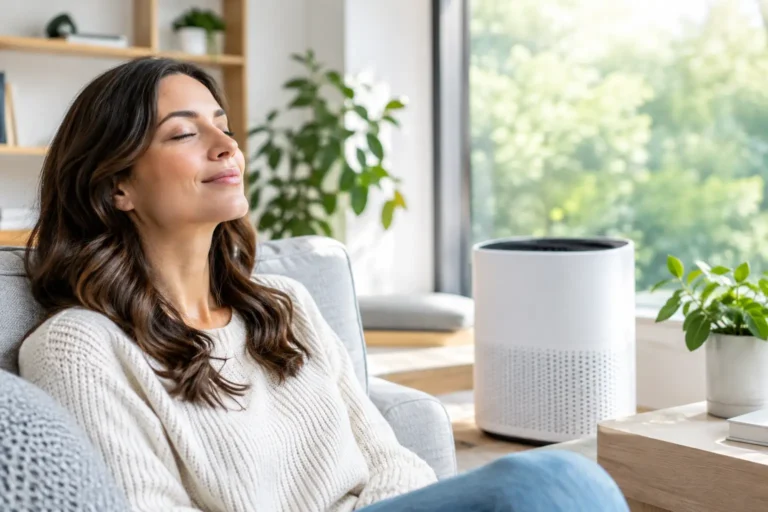
People are paying closer attention to indoor air quality because they spend so much time inside. Remote work, school schedules, apartment living, and customer-facing businesses have made stale air and visible dust harder to ignore. Clean-looking rooms matter, but so does the air moving through them.
Air duct cleaning is becoming part of preventive care
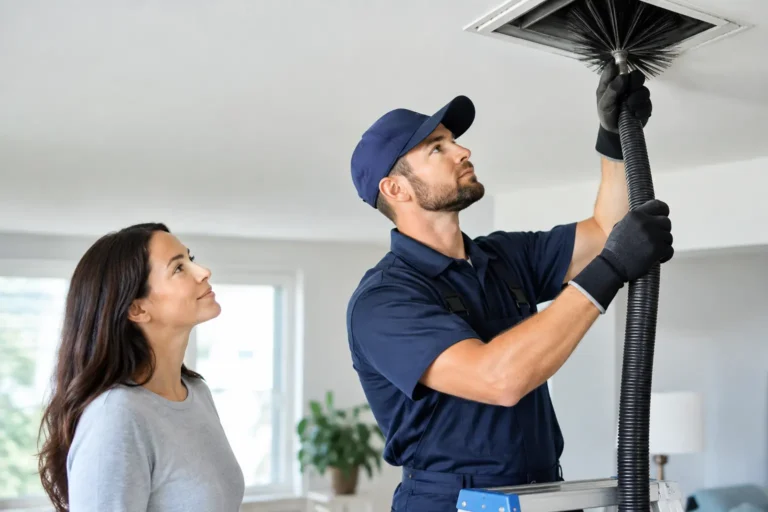
Air ducts can collect dust, lint, pet hair, construction debris, and other particles over time. When the system operates, some of that material may circulate through the property. Professional air duct cleaning is increasingly viewed as a preventive service, especially after renovations, a move, water damage, extended vacancy, or a noticeable increase in dust around vents.
It is not a substitute for changing filters or addressing moisture problems. It works best as part of a sensible HVAC maintenance plan. If occupants have persistent allergy symptoms, heavy dust buildup, or visible debris near supply vents, it is worth having the system assessed by experienced technicians.
Cleaner filters and proper airflow matter
High-efficiency filters can help capture smaller airborne particles, but they must be compatible with the HVAC system. A filter that is too restrictive may reduce airflow and put unnecessary strain on equipment. Property owners should follow the manufacturer’s guidance, replace filters on schedule, and ask an HVAC professional when unsure which option fits their system.
The best allergen-control approach is rarely one product. It is consistent maintenance combined with cleaning the places where particles settle.
Fabric Cleaning Is Taking Center Stage
Soft surfaces are one of the most overlooked sources of allergens. Carpet, area rugs, couches, mattresses, drapery, and upholstered chairs hold onto dust, dander, pollen, and everyday residue. Vacuuming is helpful, but it mainly handles what is close to the surface.
Professional deep cleaning reaches embedded soil and allergens that ordinary weekly cleaning may leave behind. This is especially useful in homes with pets, young children, frequent visitors, or family members who are sensitive to dust and seasonal pollen.
Carpet cleaning is also becoming more common between tenant turnovers and before move-ins. For property managers, it supports a cleaner presentation and helps prepare a space for the next occupant. For businesses, routine upholstery and carpet care can help customer-facing spaces feel clean, cared for, and comfortable.
Mattress and upholstery cleaning are gaining attention
Mattresses and upholstered furniture are used constantly, yet they are easy to postpone. Over time, they can collect body oils, dust, pet hair, and allergens. More homeowners are adding mattress or upholstery cleaning when they schedule carpet or rug cleaning, particularly after illness, a long allergy season, or a move.
The trade-off is simple: not every fabric should be treated the same way. Delicate materials, older pieces, and specialty rugs may need a customized approach. A professional should inspect the item and choose a method that fits the fabric, condition, and cleaning goal.
Moisture Control Has Become Part of Allergen Control
Allergen conversations increasingly include moisture because damp conditions can contribute to mold growth and musty odors. A small leak behind a wall, a wet carpet after a plumbing issue, or poor drying after a flood can become a bigger indoor air concern if left alone.
Fast water damage restoration is not only about saving flooring and drywall. It helps limit the time moisture has to affect materials inside the property. Drying, cleanup, and removal of damaged materials should be handled promptly and thoroughly, especially in basements, bathrooms, laundry rooms, and commercial spaces with hidden plumbing.
Humidity also matters in everyday maintenance. Excess humidity can make a home feel uncomfortable and encourage dust mites. On the other hand, air that is extremely dry can irritate noses and throats. A balanced indoor humidity level, good ventilation, and prompt leak repairs support a healthier environment.
Seasonal Allergen Plans Are Replacing One-Time Cleaning
Pollen season is a major concern across Maryland, Washington, DC, and Northern Virginia. It does not stay outdoors. It rides inside on shoes, clothing, pets, and open windows, then settles into entryways, carpets, and furniture.
A seasonal plan can make a meaningful difference. Before and during high-pollen months, homeowners may schedule deeper carpet and upholstery cleaning, keep entry mats clean, and vacuum high-traffic areas more often. Businesses can focus on entrances, waiting areas, and fabric seating where outdoor debris is brought in throughout the day.
In colder months, closed windows and more time indoors can make dust, pet dander, and stale air more noticeable. This is often a good time to inspect dryer vents, replace HVAC filters, and consider duct cleaning if there are signs of buildup. Dryer vent cleaning also addresses a separate but serious concern: lint accumulation can create a fire risk. It is a safety service that supports better airflow and more efficient drying.
What a Practical Allergen-Control Routine Looks Like
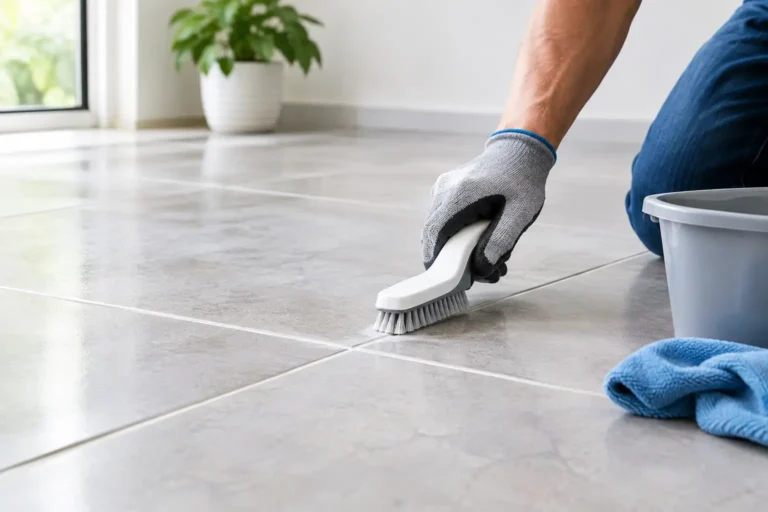
The most effective routines are realistic enough to maintain. Daily or weekly tasks such as vacuuming with a well-maintained machine, wiping hard surfaces with a damp cloth, laundering bedding, and keeping pet areas clean reduce what builds up between professional visits.
Then there are the jobs that benefit from specialized equipment and trained service. Deep-cleaning carpets, rugs, mattresses, upholstery, and air ducts can help reset the indoor environment when regular upkeep is no longer enough. The timing depends on household size, pets, allergies, foot traffic, and whether there has been construction, water damage, or a recent move.
For commercial properties, the schedule should reflect how the space is used. A quiet office has different needs than a busy lobby, daycare, retail store, or rental unit with frequent turnover. Customized service is usually more cost-effective than paying for unnecessary work or waiting until buildup becomes obvious.
Choose Services Based on the Signs You See
There is no need to guess. A layer of dust returning soon after cleaning, lingering odors, worsening seasonal symptoms indoors, visible debris around vents, matted carpet, or a musty smell after a leak are all reasons to look more closely at the property.
DMV Dream Clean helps homes and businesses address these issues with practical specialty cleaning and restoration services. An experienced technician can help identify the areas that need attention and recommend a cleaning plan that fits the property instead of pushing a one-size-fits-all package.
A cleaner indoor environment is built through small, consistent choices and timely professional care. If your space no longer feels as fresh as it should, a free quote can be the first simple step toward cleaner air, cleaner surfaces, and greater peace of mind.