A black film above the fireplace, dark dust on the hearth, or a smoky odor after a fire is not just a cleaning problem. If you are asking, is chimney soot dangerous indoors, the practical answer is yes – especially when it is loose, spreading into living areas, or appearing after a smoke backup. Soot can affect indoor air quality, stain finishes and furnishings, and signal a chimney or fireplace issue that needs attention.
A small amount of residue confined to the firebox after normal use is common. Soot on walls, furniture, vents, or carpets is different. It means combustion particles have escaped where they do not belong, and the cause should be identified before using the fireplace again.
Why chimney soot can be a concern inside a home
Soot is a fine black or brown powder created when wood, gas, oil, or other fuel does not burn completely. Fireplace soot can contain tiny particulate matter that becomes airborne easily. These particles may irritate the eyes, throat, and lungs, particularly in people with asthma, allergies, COPD, or other breathing sensitivities. Children, older adults, and pets can also be more affected by poor indoor air quality.
The risk depends on the amount of soot, how long it has been present, and whether it is being disturbed. A faint, settled layer in the fireplace is not the same as a room coated in black dust after a chimney puffback. But even a modest amount should be handled carefully. Sweeping, dry dusting, or using a standard household vacuum can send fine particles back into the air.
Soot also leaves behind more than a visible stain. It can carry a persistent odor and settle into carpet fibers, upholstery, curtains, bedding, and HVAC returns. Once it reaches porous materials, removing the source alone may not fully remove the contamination or smell.
Soot is not carbon monoxide, but both can point to trouble
Soot itself is not carbon monoxide. Carbon monoxide is a colorless, odorless gas produced by incomplete combustion, while soot is the visible particle residue. Still, the two can share an underlying cause: restricted airflow, poor draft, a blocked flue, wet wood, an appliance malfunction, or an improperly vented fireplace.
That connection matters. If your fireplace is producing unusual smoke indoors, leaving excessive soot, or making occupants feel dizzy, nauseated, weak, or unusually tired, stop using it immediately. Leave the area and follow your carbon monoxide safety plan. A working carbon monoxide detector near sleeping areas and on each level of the home is an essential safeguard.
Is chimney soot dangerous indoors after a smoke backup?
A smoke backup happens when smoke enters the room instead of traveling up and out through the chimney. It may occur when the damper is closed, the flue is obstructed, the chimney is cold, the home has negative air pressure, or wind conditions interfere with draft. A bird nest, debris, excess creosote, or a damaged chimney component can also be responsible.
After a smoke backup, soot should be treated as an indoor contamination issue, not simply wiped away with a damp rag. The finer the residue, the more likely it is to travel beyond the fireplace area. It can settle on kitchen counters, electronics, painted walls, light fixtures, and fabrics before you notice it.
If the event was brief and contained, careful cleaning may be enough after the chimney has been inspected. If several rooms are affected, odors remain strong, or soot has reached air ducts and soft furnishings, professional cleaning is often the safer and more efficient choice. Improper cleaning can smear soot deeper into surfaces and turn a removable residue into a permanent stain.
Signs that call for prompt chimney service
You do not need to wait for a major smoke event to schedule an inspection or cleaning. Pay attention to changes in how your fireplace performs. A chimney that once drafted well but suddenly sends smoke into the room deserves a closer look.
Common warning signs include:
- Smoke entering the room when starting or maintaining a fire
- Black residue around the fireplace opening, mantel, walls, or ceiling
- A strong smoky or burnt odor when the fireplace is not in use
- Falling debris, visible blockage, or animal sounds from the chimney
- Excessive soot buildup after only a few fires
- A carbon monoxide alarm sounding or occupants feeling unwell near a fuel-burning appliance
A chimney sweep can inspect the flue, firebox, damper, cap, and accessible components for buildup, blockages, and damage. Regular cleaning also removes creosote, a tar-like byproduct that can ignite and cause a chimney fire. Soot and creosote are related, but creosote is generally stickier, more flammable, and often requires specialized removal.
What to do when soot gets into your living space
First, do not light another fire until you know why the soot escaped. Closing off the fireplace area, if it can be done without stirring dust, helps limit the spread. Keep children and pets away from the affected area.
Avoid using a feather duster, broom, or standard vacuum. These methods can disperse fine particles or leave oily soot embedded in fabric and carpet. Do not apply water to dry soot stains on painted walls or upholstery before testing a small area. Moisture can cause the residue to smear.
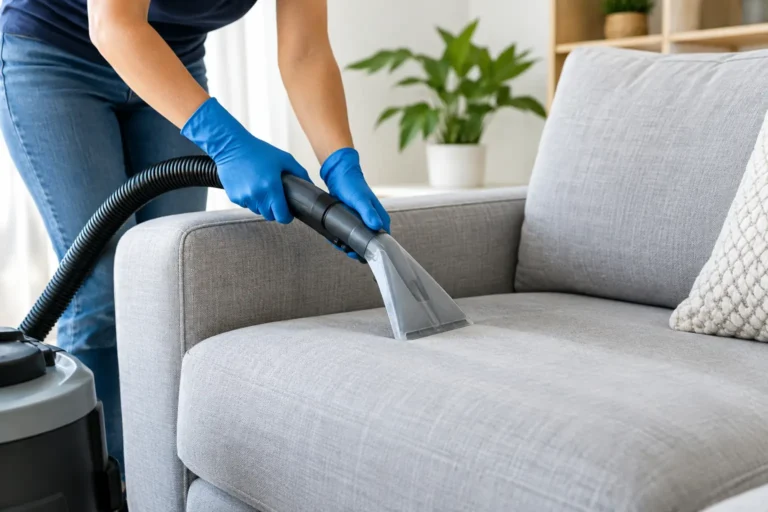
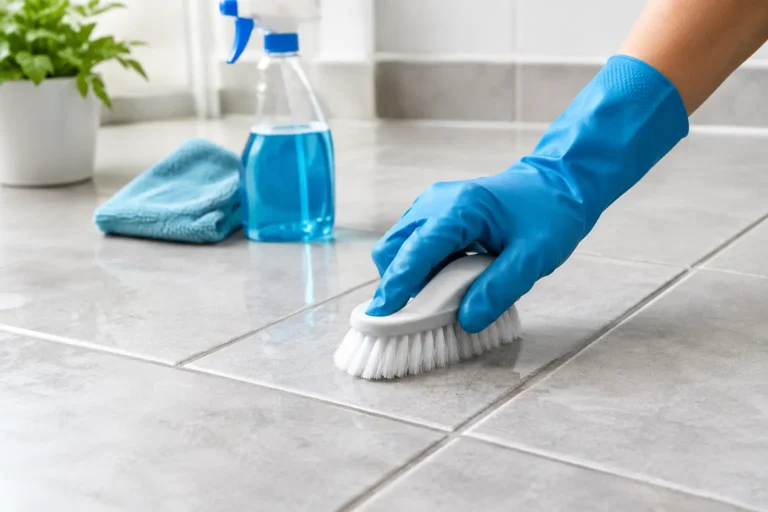
For a limited amount of settled soot, wear gloves and a well-fitting mask, ventilate the area if outdoor conditions allow, and use cleaning methods designed for fine particulate residue. Dry soot sponges and HEPA-filtered vacuum equipment are typically preferred before wet cleaning begins. Delicate surfaces, artwork, unfinished wood, electronics, and heavily affected fabrics should be handled by trained restoration professionals.
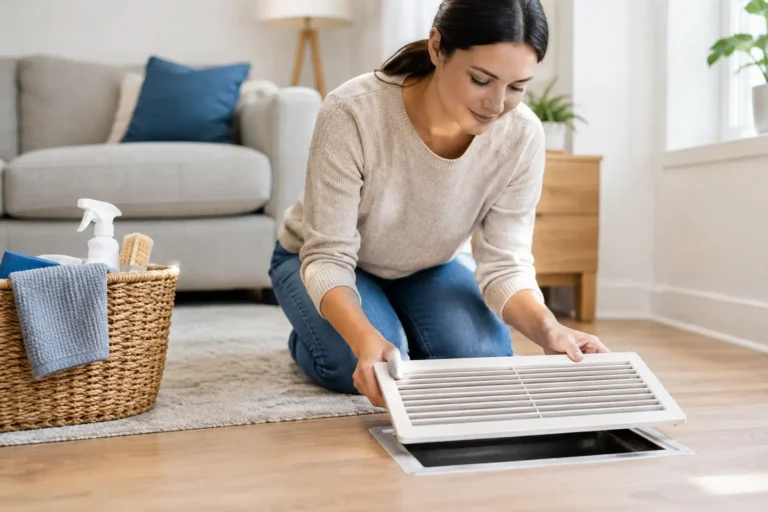
After the visible residue is removed, consider the full path the smoke took. Clean nearby hard surfaces, wash washable textiles according to their care labels, and have carpets, rugs, upholstery, or drapery assessed if they hold odor or visible dust. If smoke entered the HVAC system, changing the filter is a sensible first step, but duct cleaning may be warranted when contamination is visible or odors circulate whenever the system runs.
Preventing chimney soot from becoming an indoor problem
Good fireplace habits reduce soot, but they cannot replace a clean, functional chimney. Burn only dry, seasoned firewood in a wood-burning fireplace. Wet or unseasoned wood produces more smoke, weaker heat, and heavier buildup. Avoid burning treated lumber, painted wood, cardboard, trash, or glossy paper, which can release harmful chemicals and create problematic deposits.
Make sure the damper is fully open before starting a fire and keep it open until the fire is completely out and the embers have cooled. Start smaller fires with adequate kindling rather than overloading the firebox. If smoke repeatedly spills into the room, do not assume it is normal or solve the problem by opening a window alone. The chimney needs to be evaluated.
Annual chimney inspection is a practical baseline for homes that use a fireplace or stove. How often cleaning is needed depends on how frequently you burn fires, the type and moisture level of your fuel, and how much buildup the technician finds. A property manager may also want inspections between tenants when a fireplace has been used or its maintenance history is unclear.
When professional cleanup makes sense
Professional help is especially valuable after a puffback, chimney fire, appliance malfunction, or any event that spreads soot outside the fireplace area. The right team can help address both sides of the problem: the chimney condition that allowed smoke indoors and the cleaning needed to restore affected rooms.
For homeowners and property managers in Maryland, Washington, DC, and Northern Virginia, DMV Dream Clean can provide chimney cleaning and specialized deep-cleaning support with a focus on safer, cleaner indoor spaces. A clear assessment helps you avoid paying for unnecessary work while making sure hidden soot and odor are not left behind.
A fireplace should add comfort to a property, not leave you wondering what you are breathing. If soot is appearing indoors, pause fireplace use, protect the area from further disturbance, and arrange a professional inspection before the next fire.