A carpet can make a room feel clean and comfortable – or make the whole space look worn, even when everything else is in good shape. When stains, odors, traffic patterns, or pet damage start to stand out, the question usually comes down to carpet cleaning vs replacement cost. For most homes and commercial spaces, the right choice depends on the carpet’s age, the type of damage, and how much life you can realistically get back.
Cleaning is often the better first move because the price gap is significant. Professional carpet cleaning usually costs a fraction of full replacement, and in many cases it restores both appearance and freshness well enough to delay a major expense. But not every carpet is a good candidate for cleaning. Some are simply too worn, too damaged, or too far gone to justify putting more money into them.
Carpet cleaning vs replacement cost: the real price difference
If you are comparing numbers alone, cleaning usually wins by a wide margin. A professional deep cleaning for a standard room or a whole-home service is far less expensive than tearing out old carpet, buying new material, replacing padding, and paying for installation. Replacement also comes with extra costs that people do not always expect, including furniture moving, disposal, trim adjustments, and the possibility of subfloor repairs.
That is why cleaning is often the practical choice when the carpet is structurally sound. If the fibers are intact and the main issues are dirt, odors, light-to-moderate staining, or matted traffic areas, a professional cleaning can improve the look and feel of the carpet without the disruption of a full install.
Replacement starts to make more sense when the carpet is not just dirty but failing. If the backing is separating, seams are pulling apart, padding is breaking down, or the carpet has widespread damage from pets, moisture, burns, or heavy wear, cleaning may improve the surface but not the underlying problem.
When carpet cleaning gives you the better return
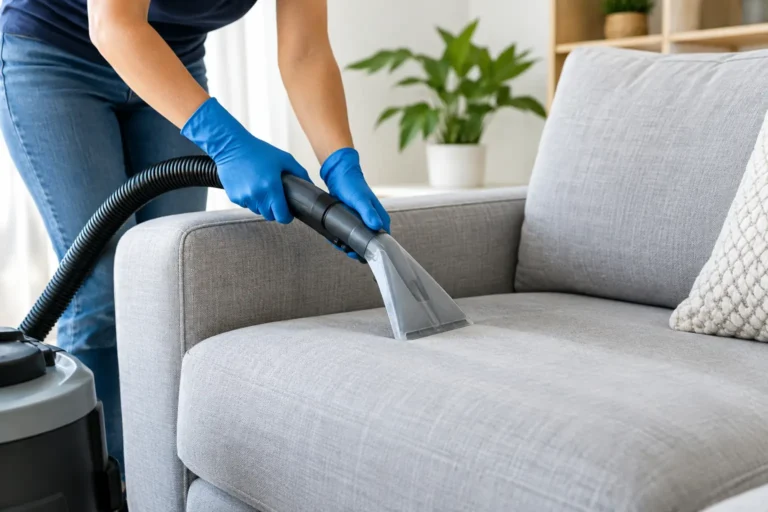
The best value from cleaning comes when the carpet still has useful life left. A five-year-old carpet in a busy family room may look tired because of buildup, not because it is finished. In that case, a deep professional cleaning can remove embedded soil, lift flattened fibers, reduce odors, and make the space feel noticeably fresher.
This is especially true for homes with pets, children, or high foot traffic. Surface vacuuming helps, but it does not fully address what settles deep into carpet fibers over time. Professional cleaning reaches farther into the pile and often restores more than people expect.
Cleaning also makes financial sense if you are trying to extend the carpet’s life by a few more years. Maybe you are planning a larger renovation later, preparing a rental unit between tenants, or improving a property before listing it. Spending a modest amount now to improve appearance and cleanliness can be much easier on the budget than replacing every carpeted room immediately.
For businesses, the same logic applies. In offices, waiting rooms, and customer-facing spaces, clean carpet supports a more professional appearance. If the carpet is worn but still intact, routine professional service can help preserve it and postpone replacement until it fits the budget and schedule.
Signs your carpet is still worth cleaning
A carpet is usually still a good cleaning candidate if the discoloration is mostly from soil, the stains are limited rather than widespread, and the fibers bounce back at least somewhat after grooming or vacuuming. Older carpets can still respond well if the backing is solid and there is no serious water damage.
Mild odors are also often treatable. Pet smells, food spills, and stale buildup may improve significantly with the right cleaning process. That said, odor removal depends on how deep the contamination goes. If urine has reached the pad or subfloor, cleaning the carpet alone may not fully solve it.
When replacement is the smarter investment
There comes a point when cleaning becomes a short-term patch. If your carpet looks better for a week after service and then quickly returns to looking dull, crushed, or stained, the fibers may be too worn to recover. That does not mean the cleaning failed. It may mean the carpet has reached the end of its service life.
Age matters here. Many builder-grade carpets and heavily used residential carpets begin showing their limits after several years, especially in hallways, stairs, family rooms, and rental properties. A carpet can be professionally cleaned and still look uneven if the wear is permanent.
Replacement is usually the better call when damage is extensive or structural. Common examples include recurring odor from deep pet contamination, mold or mildew concerns after moisture exposure, burns, bleach spots, torn seams, ripples, and major matting across large areas. In those situations, paying for repeated cleanings can add up without delivering a lasting result.
If indoor air quality is a major concern, replacement may also be worth considering when the carpet has trapped years of contamination and cannot be fully restored. This is especially relevant after water damage or long-term neglect. A fresh install with new padding can provide a cleaner reset than trying to salvage compromised material.
What changes the cost on both sides
Not all cleaning jobs or replacement projects are priced the same. The final cost depends on the size of the area, the carpet material, the level of soiling, and whether special treatments are needed. Heavily stained carpet, pet odor treatment, spot removal, and furniture moving can affect cleaning cost. Delicate fibers or area rugs may also require different handling.
On the replacement side, the price range can shift even more. The carpet itself may be budget-friendly or premium, and padding quality makes a difference in both price and long-term comfort. Labor, room layout, stair installation, removal of existing carpet, and prep work all influence the total.
One of the biggest hidden factors is what is under the carpet. If the subfloor has odor, staining, moisture damage, or uneven spots, that issue has to be addressed before new carpet goes in. That adds cost, but it also protects the value of the replacement.
Cleaning is lower risk when you are unsure
If you are on the fence, cleaning is often the lower-risk decision. It costs much less, it is faster to schedule, and it gives you a clearer picture of what the carpet actually looks like after the soil and residue are removed. Many carpets that seem ready for the landfill still have enough life left to justify keeping them.
That does not mean cleaning is always the cheapest option in the long run. If you already know the carpet is overdue for replacement, spending more money on repeated treatments can become false savings. The smartest decision is the one that matches the condition of the carpet, not just the smaller invoice.
How to decide without guessing
Start with three questions. First, is the carpet damaged or just dirty? Second, if it were thoroughly cleaned, would you be satisfied keeping it for another year or two? Third, are the odor or stain issues likely to come back because they extend below the surface?
If the answer points to surface-level wear and everyday buildup, professional cleaning is usually worth trying. If the answer points to age, deep contamination, or visible breakdown, replacement is more likely to pay off.
A professional assessment can save money here. An experienced technician can tell you whether the carpet is likely to respond well to cleaning or whether the problem is beyond what cleaning can fix. That kind of honest recommendation matters, especially when you are balancing appearance, health concerns, budget, and timing. Companies like DMV Dream Clean see both the cosmetic side and the practical side of carpet care, which helps property owners make the call with more confidence.
For many homes and businesses, the right path is not all or nothing. You might clean bedrooms and lower-traffic areas while replacing the hallway or family room that gets the most wear. That approach can stretch your budget while still improving the parts of the property people notice most.
The best decision usually comes down to useful life. If cleaning can restore the carpet and buy you more time, it is often money well spent. If replacement solves bigger problems that cleaning cannot touch, then paying more now may save frustration later. A good carpet should support a cleaner, healthier, more comfortable space – and if it cannot do that anymore, the answer becomes a lot clearer.