That dusty vent cover, the carpet that never quite smells fresh, the bathroom grout that keeps darkening – those are not just cosmetic issues. A healthy home cleaning guide starts with understanding that a cleaner-looking space is not always a healthier one. Dust, moisture, soot, pet dander, and buildup inside fabrics and vents can affect air quality, safety, and day-to-day comfort long before they become obvious.
For most homes, the goal is not perfection. It is reducing the dirt, residue, and hidden buildup that create problems over time. That means cleaning smarter, choosing safer products, and knowing when a surface wipe-down is enough and when deeper service is the better call.
What a healthy home cleaning guide should really focus on
A lot of cleaning advice centers on shine and scent. Healthy cleaning is different. It focuses on air quality, allergen control, moisture management, and reducing residues that can irritate people, trap odors, or create safety risks.
In practical terms, that means paying attention to the places that affect how your home feels, not just how it looks. Floors, upholstery, rugs, ducts, vents, mattresses, bathrooms, and kitchens all hold particles that move through the home or stay trapped in soft surfaces. If anyone in the household has allergies, asthma, pets, or young children, those areas matter even more.
There is also a trade-off to keep in mind. Stronger chemicals can remove buildup quickly, but overuse can leave behind fumes or residues that are not ideal in lived-in spaces. On the other hand, very gentle products may be better for routine maintenance but less effective on mold, grease, smoke residue, or heavy soil. The right approach depends on the material, the problem, and how deep the contamination goes.
Start with the biggest health and safety issues
If you want the most impact, begin with what affects breathing, fire risk, and moisture.
Airflow and indoor air quality
Dust does not stay on one shelf. It moves through return vents, settles into carpet and upholstery, and cycles back into the air when people walk across the room or the HVAC system turns on. If vents are visibly dusty, rooms feel stuffy, or allergies seem worse indoors, surface cleaning alone may not be enough.
Air ducts, vents, and returns are easy to ignore because most of the buildup is out of sight. But when they are dirty, the whole home can feel harder to keep fresh. A healthier cleaning plan includes regular vent cover cleaning at home and professional duct cleaning when dust, debris, or airflow issues point to deeper buildup.
Dryer vents and fire prevention
Few homeowners think of cleaning as fire prevention, but dryer vent maintenance is one of the clearest examples. Lint is highly flammable, and when vents clog, dryers work harder, run hotter, and become less efficient. Clothes taking longer to dry, a hot laundry room, or a burning smell are all signs not to wait.
This is one area where quick DIY cleaning often falls short. Cleaning the lint trap is necessary, but it does not replace full vent cleaning.
Moisture, stains, and water damage
Damp carpet padding, musty smells, stained ceilings, and warped flooring can all point to moisture issues that need more than basic cleaning. Once water gets into porous materials, the priority shifts from appearance to proper drying and restoration. Waiting too long can lead to odors, material damage, and unhealthy indoor conditions.
Room-by-room habits that actually help
A healthy home does not require harsh daily cleaning. It requires consistent habits in the places that collect the most residue.
Kitchen
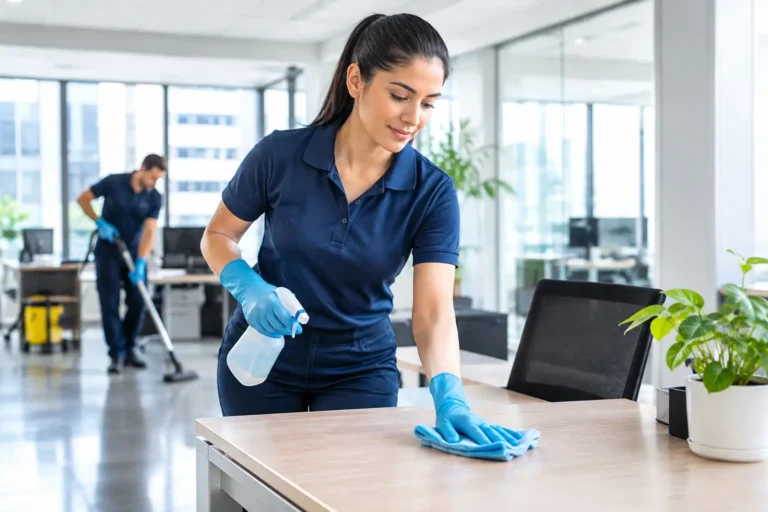
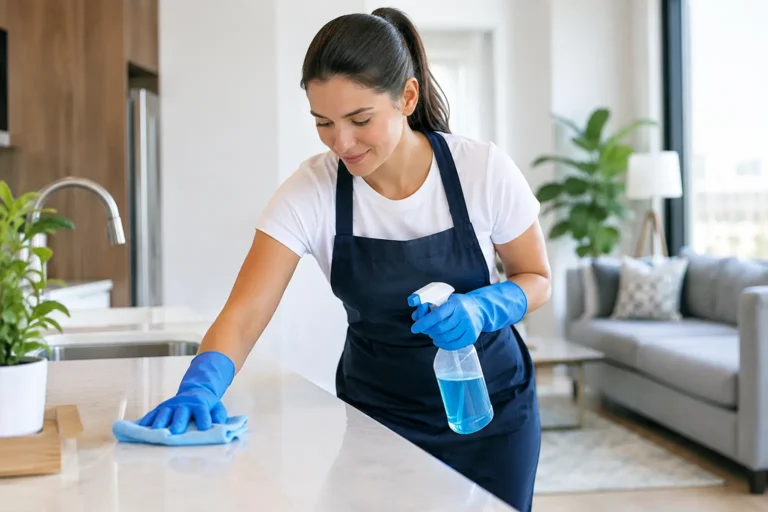
Focus on grease, food particles, and moisture. Countertops matter, but so do less obvious areas like the range hood, backsplash, under small appliances, and floor edges near cabinets. Grease film attracts more dirt and can affect odors over time.
Use a mild cleaner for daily wipe-downs and a stronger degreasing approach only where needed. If you are constantly battling lingering smells, check soft surfaces nearby, including dining chairs, rugs, and drapery, because odors often settle there.
Bathroom
The main concerns are soap residue, grime, and moisture. Ventilation is just as important as scrubbing. If a bathroom stays damp, mildew returns faster no matter what product you use.
Tile and grout need more attention than many people realize. Once buildup settles into grout lines, regular wiping will not fully restore them. Professional tile and grout cleaning can make sense when the bathroom never looks truly clean even after repeated effort.
Bedrooms
Bedrooms are often overlooked in healthy cleaning routines because they do not look dirty. But mattresses, rugs, curtains, and upholstered headboards hold dust, skin cells, and allergens. If someone wakes up congested or the room feels dusty despite regular vacuuming, the issue may be in those soft surfaces.
Washing bedding helps, but it is only part of the picture. Mattress and upholstery cleaning can remove deeper buildup that home care does not always reach.
Living areas
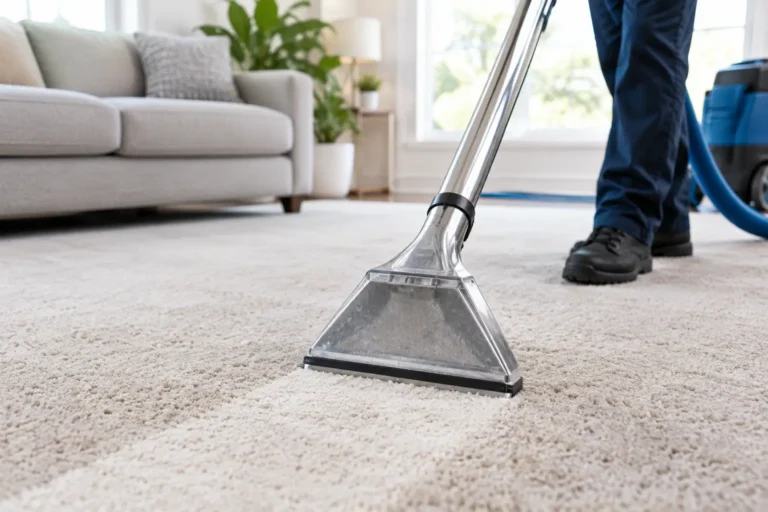
Carpets, area rugs, and sofas take the most daily wear and hold onto the most particles. Vacuuming helps with surface debris, but it does not remove everything embedded below the fibers. If furniture has a dull look, holds odors, or triggers sneezing when used, a deeper clean is usually overdue.
Choosing safer products without sacrificing results
The safest cleaner is not automatically the best cleaner for every job. What matters is using the least aggressive option that still works.
For routine cleaning, simple products with clear labels and minimal fragrance are often a smart choice. They reduce unnecessary residue and tend to be easier on people with sensitivities. For heavier problems like soot, pet stains, or water-related contamination, stronger methods may be needed, but they should be used carefully and with proper ventilation.
A good rule is to avoid mixing products, especially anything involving bleach or ammonia. More product is not better, either. Overapplication can leave surfaces sticky, dull, or irritating to the skin and lungs.
If you hire professionals, ask whether the process is appropriate for children, pets, and sensitive household members. A dependable company should be able to explain the method in plain language and set expectations clearly.
When DIY is enough and when it is not
This is where many cleaning plans break down. People spend hours scrubbing a problem that really needs extraction, mechanical cleaning, or restoration.
DIY works well for routine dusting, vacuuming, kitchen wipe-downs, bathroom upkeep, and quick response to fresh spills. It is often enough when the issue is light, recent, and limited to surface soil.
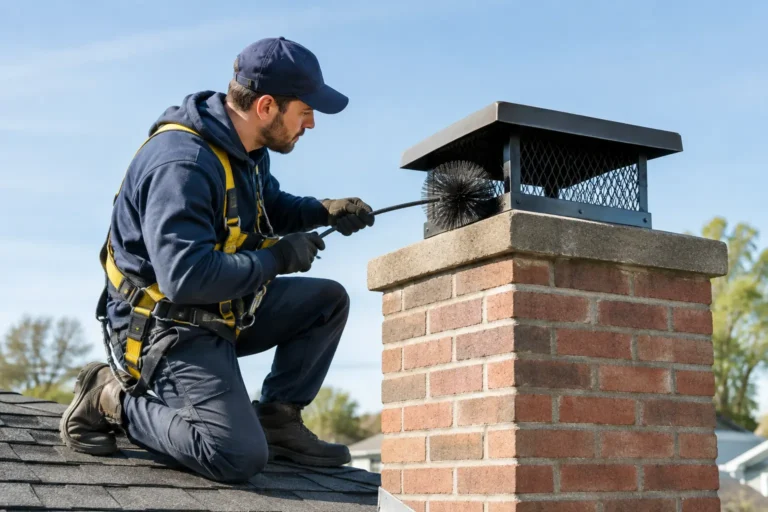
Professional service makes more sense when buildup is deep, recurring, or tied to safety. That includes duct cleaning, dryer vent cleaning, chimney sweeping, carpet and upholstery extraction, rug cleaning, and water damage restoration. These are not just convenience services. In many cases, they solve a problem that surface cleaning cannot reach.
For example, a carpet can look acceptable but still hold odors and embedded soil. A chimney can appear fine from the room while soot and creosote build inside. A dryer may still run while the vent slowly becomes a fire risk. The point is not to outsource everything. It is to know which problems have real consequences if ignored.
Building a realistic healthy home cleaning schedule
The best cleaning schedule is one you can actually maintain. Daily perfection is not necessary. Consistency is.
Wipe kitchen and bathroom surfaces regularly, vacuum high-traffic areas at least weekly, and pay close attention to pet zones, entryways, and upholstered furniture. Wash bedding often and keep humidity under control where possible. Then layer in periodic deeper care for carpets, rugs, mattresses, tile, vents, and ducts based on use, pets, allergies, and the age of the home.
If your home has multiple indoor air quality triggers – pets, older carpeting, heavy foot traffic, recent water exposure, or visible vent dust – it makes sense to schedule deeper cleaning before problems build up. Many households wait until something smells off or looks stained, but healthier homes are usually maintained before that point.
For homeowners, renters, and property managers across busy Maryland, DC, and Northern Virginia households, that practical approach matters. A company like DMV Dream Clean fits best when the issue goes beyond basic housekeeping and you need experienced help that improves cleanliness, safety, and peace of mind without making the process complicated.
A healthy home is not the one with the strongest cleaner smell or the glossiest countertops. It is the one that feels fresher, functions better, and supports the people living in it every day.