You usually notice bad indoor air after it starts affecting your day. Maybe the house feels dusty again right after cleaning. Maybe one room smells stale, allergy symptoms keep showing up, or your HVAC seems to run nonstop without making the space feel fresher. Good indoor air quality improvement tips are not just about comfort. They help reduce buildup that can affect breathing, cleanliness, system performance, and overall peace of mind.
For homes, rentals, offices, and commercial spaces, the biggest mistake is assuming indoor air problems come from one source. In most cases, it is a combination of dust in ductwork, trapped debris in carpets and upholstery, excess moisture, poor ventilation, and neglected vents or filters. The good news is that practical changes can make a real difference.
Indoor air quality improvement tips that actually help
The most effective approach is to focus on the places where particles, moisture, and contaminants collect. Air moves through your property constantly, so anything sitting in ducts, fabrics, vents, or hidden corners can keep circulating.
Start with your HVAC filter. A dirty filter does not just reduce airflow. It can allow dust and other particles to keep moving through the system and back into occupied rooms. Replacing the filter on schedule is one of the simplest ways to support cleaner indoor air. The right timing depends on the filter type, whether you have pets, how often the system runs, and whether anyone in the property has allergies or respiratory sensitivity.
That said, changing the filter is not a complete fix if the rest of the system is carrying buildup. If supply and return ducts have collected dust, debris, or other contaminants over time, those materials can continue to circulate. Professional air duct cleaning can help when there is visible buildup, post-construction dust, lingering odors, or a clear pattern of debris collecting around vents.
Clean the surfaces that hold airborne particles
A lot of air quality issues start below eye level. Carpets, rugs, upholstered furniture, mattresses, and drapery all trap dust, allergens, and odors. Every step across a carpet or drop onto a couch can send small particles back into the air.
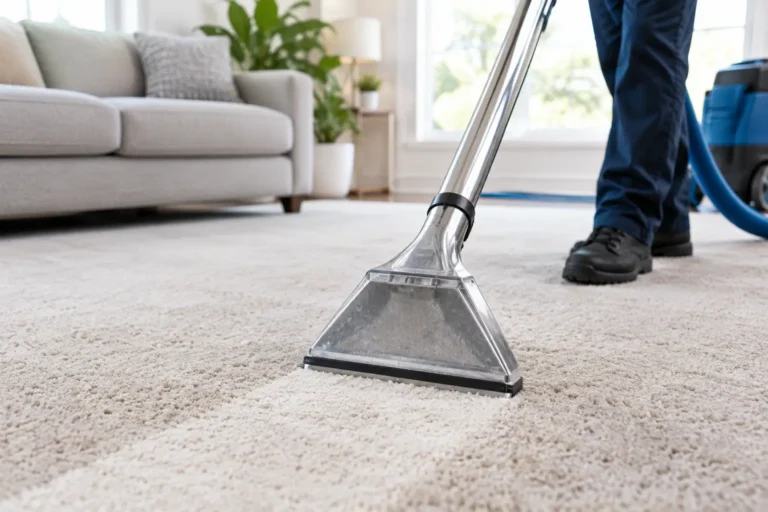
Routine vacuuming helps, but it has limits. It is best for surface-level maintenance, not deep extraction. If carpeting still looks dull, smells musty, or seems to trigger sneezing even after regular cleaning, deeper service may be the next step. Professional carpet and upholstery cleaning can remove material that household equipment often leaves behind, especially in high-traffic rooms, pet areas, and commercial settings with constant foot traffic.
This is also where trade-offs matter. Soft surfaces make a room feel comfortable and reduce noise, but they need more maintenance than hard flooring if indoor air quality is a concern. That does not mean you need to remove every rug or fabric chair. It means those materials need a cleaning plan that matches how the space is actually used.
Control moisture before it turns into a bigger problem
Indoor air quality is not only about dust. Moisture plays a major role. Even a clean-looking room can have air quality problems if humidity stays too high or if water damage was never fully addressed.
Bathrooms, basements, laundry rooms, kitchens, and lower-level commercial spaces are common trouble spots. Excess moisture can lead to musty smells, persistent dampness, and conditions that make the air feel heavy and unpleasant. If there has been a leak, overflow, or water intrusion, quick cleanup matters. Waiting too long can allow damage to spread into carpets, padding, drywall, and other porous materials.
Use bathroom and kitchen exhaust fans consistently, especially during showers and cooking. If certain rooms always feel damp, a dehumidifier may help. But if the issue is tied to active leaks, hidden moisture, or past water damage, the real fix is identifying and resolving the source rather than just masking the symptoms.
Do not overlook dryer vents and chimneys
When people think about indoor air quality improvement tips, they often focus on filters and dusting. That is understandable, but airflow and safety systems matter too.
A clogged dryer vent can reduce dryer efficiency, increase heat buildup, and create a fire risk. It can also contribute to extra lint and stale air around laundry areas. If clothes are taking longer to dry, the laundry room feels humid, or the dryer seems hotter than usual, vent cleaning should move up the list.
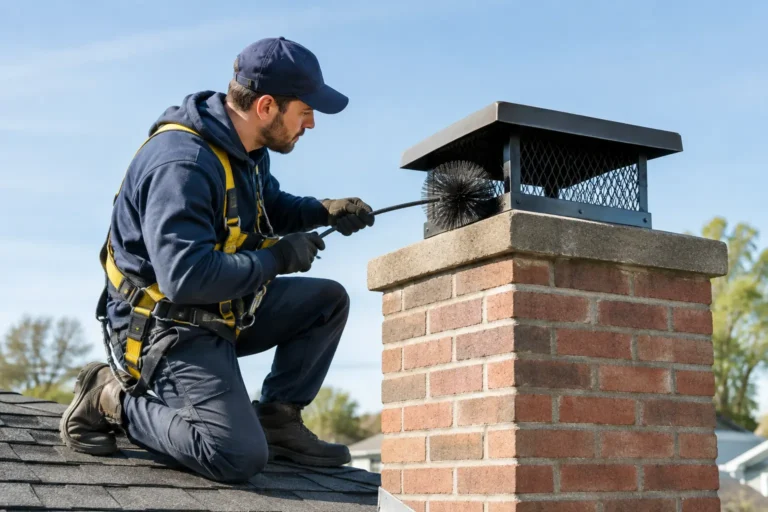
Chimneys are another overlooked source of indoor air concerns. Soot, creosote, and debris can affect airflow and create unpleasant odors, especially during colder months when the fireplace sees more use. A neglected chimney is not just messy. It can become a safety issue. Regular chimney cleaning and sweeping helps maintain proper function while reducing buildup that should not be lingering inside the property.
Ventilate with purpose, not just out of habit
Fresh air helps, but ventilation is not one-size-fits-all. Opening windows can improve airflow on mild days, especially after cooking, cleaning, or bringing in strong odors from pets or projects. In some cases, though, outdoor pollen, humidity, or pollution can make that less helpful.
The better approach is to use ventilation strategically. Run exhaust fans where moisture and odors are created. Make sure vents are not blocked by furniture or storage. If one part of the building always feels stuffy while another feels fine, that can point to an airflow imbalance, dirty ducts, or a system issue worth checking.
For businesses, ventilation matters even more in spaces with frequent foot traffic, waiting areas, and shared workstations. A clean-looking space does not always feel clean if the air feels stale. Customers and staff notice that quickly.
Use cleaning products carefully
Some products make a room smell strong enough to seem clean, but strong fragrance is not the same as clean air. Overusing sprays, harsh chemicals, and scented products can add irritation for people who are sensitive to odors.
That does not mean you need to avoid every cleaning product. It means using the right product for the job, following directions, and avoiding unnecessary over-application. If a room always needs air freshener to cover odors, there is probably an underlying source that needs real cleaning. That might be carpet buildup, upholstery odors, dirty vents, pet residue, or moisture.
A cleaner indoor environment usually comes from removing the source, not layering over it.
Pay attention to signs your property needs more than routine upkeep
Some air quality concerns respond well to regular housekeeping. Others point to buildup that needs professional attention. If you notice dust returning unusually fast, vents blowing visible particles, stale smells that do not go away, or rooms that feel consistently stuffy, it may be time to look beyond basic cleaning.
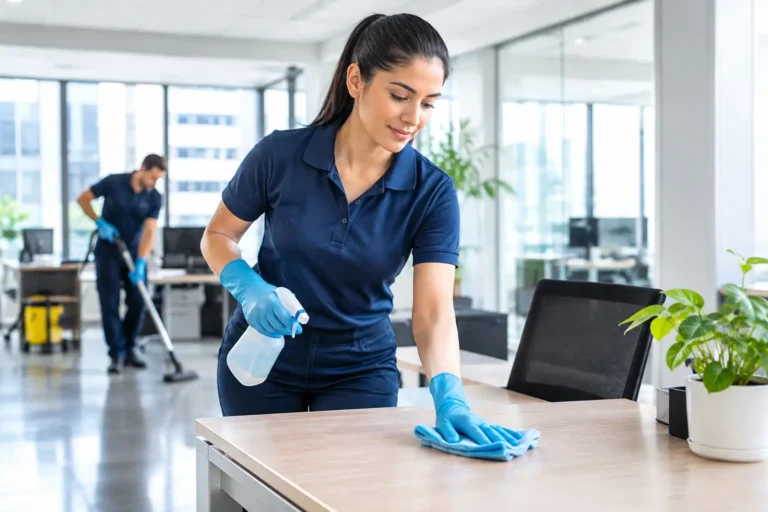
The same goes for businesses preparing for inspections, tenant turnover, seasonal traffic, or customer-facing events. Air quality affects how a space feels the moment someone walks in. Clean floors and wiped counters help, but so do cleaned ducts, fresh upholstery, maintained vents, and prompt restoration after water issues.
For many property owners, the biggest value comes from addressing multiple sources at once. If ductwork is dirty, carpets are holding allergens, and the dryer vent is overdue, handling one issue while ignoring the others can limit the results. A more complete approach often gives you a clearer improvement in both air and cleanliness.
A simple maintenance rhythm works better than waiting for a problem
The best indoor air quality improvement tips are usually the least flashy. Replace filters on time. Keep up with vacuuming and dust control. Use exhaust fans. Address moisture quickly. Schedule deeper cleaning for the systems and surfaces that collect what regular cleaning cannot reach.
If you own or manage property in a busy household or a high-use commercial space, it helps to think in seasons. Spring and fall are good checkpoints for filters, ductwork concerns, carpet condition, and vent maintenance. After renovations, water damage, smoke exposure, or heavy tenant turnover, it makes sense to inspect sooner.
DMV Dream Clean works with homeowners, renters, and businesses that want practical help with the hidden buildup affecting air quality, safety, and everyday comfort. The goal is simple: cleaner systems, cleaner surfaces, and a space that feels better to live or work in.
A healthier indoor environment rarely comes from one big change. It usually comes from catching the small issues early, staying consistent, and knowing when a deeper professional cleaning will save you time, stress, and repeat problems later.