You vacuum the floors, brush the dog outside, wash the bedding, and still the house feels dusty. If that sounds familiar, pet dander in air ducts may be part of the problem. When your HVAC system pulls in air day after day, it can also pull in fine particles from pets and move them through the ductwork, where they continue circulating through the home.
That does not mean every pet owner needs duct cleaning right away. But if you have allergy symptoms, visible dust around vents, stale airflow, or a home with multiple pets, it is worth taking a closer look. Dander is light, sticky, and easy to miss, which makes it one of those problems that can build up quietly over time.
Why pet dander in air ducts becomes a problem
Pet dander is made up of tiny skin flakes shed by cats, dogs, and other animals. Unlike pet hair, which you can usually see and remove, dander is much finer. It settles on furniture, rugs, and return vents, then gets pulled into the HVAC system as air cycles through the home.
Once inside the system, those particles do not always stay put. Some collect inside the ductwork, especially when mixed with ordinary household dust. Some continue moving through the vents and back into living spaces. That is why people can clean surfaces repeatedly and still feel like the air never gets fully fresh.
For households with asthma or allergies, this matters even more. Pet dander can irritate the respiratory system, especially in homes where filtration is weak, vents are dusty, or the system has gone a long time without maintenance. In commercial settings, it can also be an issue in offices, waiting rooms, and rental properties where indoor air quality affects comfort for visitors and staff.
Signs your ductwork may be holding pet dander
The most obvious sign is persistent dust around supply vents and return grilles. If the vent covers look dirty soon after cleaning, that can point to buildup inside the system. Another clue is that rooms feel stuffy even when the AC or heat is running normally.
You may also notice sneezing, itchy eyes, throat irritation, or more allergy symptoms when the system kicks on. That does not automatically prove the ducts are the cause. Filters, carpets, upholstery, and pet beds can all contribute too. But when those symptoms line up with dusty vents and long gaps between HVAC cleanings, air ducts become a more likely factor.
Odor can be another signal. Pet-related smells often cling to soft surfaces, but they can also move through ductwork and reappear when air starts circulating. If a home has had pets for years, or if you have moved into a property where previous occupants had animals, old buildup in the ducts can keep that stale smell hanging around.
How dander gets into the system
Most of it enters through return vents. As air gets drawn back to the HVAC unit, it carries fine particles with it. Hair tends to settle faster, but dander stays airborne longer. That gives it more opportunity to travel.
Homes with clogged filters, leaky duct connections, or heavy carpeted areas often collect more debris in the system. Frequent shedding makes the issue worse, but even low-shedding pets still produce dander. That is why people are sometimes surprised to have air quality complaints even when they groom their pets often.
It also depends on how the home is used. A single pet in a small apartment may create a different level of buildup than several pets in a larger home with constant HVAC use. If windows stay closed most of the year, indoor particles have fewer ways to leave the space naturally.
Does duct cleaning actually help?
Sometimes yes, sometimes not as much as people expect. If pet dander in air ducts has built up over time, professional duct cleaning can remove a meaningful amount of debris from the system and reduce recirculation. That can support cleaner airflow, especially when paired with fresh filters and regular housekeeping.
But duct cleaning is not a stand-alone cure for allergies. Dander also lives in carpets, upholstery, mattresses, rugs, and drapes. If those surfaces are loaded with allergens, cleaning the ducts alone will only address part of the issue.
This is where a practical approach matters. The best results usually come from treating the home as a whole system. Clean the ducts if they are dirty. Replace filters on schedule. Vacuum with a HEPA-equipped machine. Stay on top of upholstery and carpet cleaning. Wash pet bedding often. If your HVAC system is struggling or filters are not fitted properly, have that checked too.
When professional cleaning makes the most sense
There are a few situations where calling in trained technicians is more than a convenience. It is the smarter move.
One is after years of pet ownership without duct service. Another is after moving into a home where previous pets may have left behind buildup you cannot see. It also makes sense if someone in the property has asthma, allergies, or other breathing sensitivities and indoor air quality has become a daily concern.
Property managers and business owners should pay attention here as well. In shared buildings, rental turnovers, pet-friendly units, and customer-facing spaces, hidden dust and dander can affect comfort and cleanliness standards. A clean-looking property can still have dirty ductwork behind the vents.
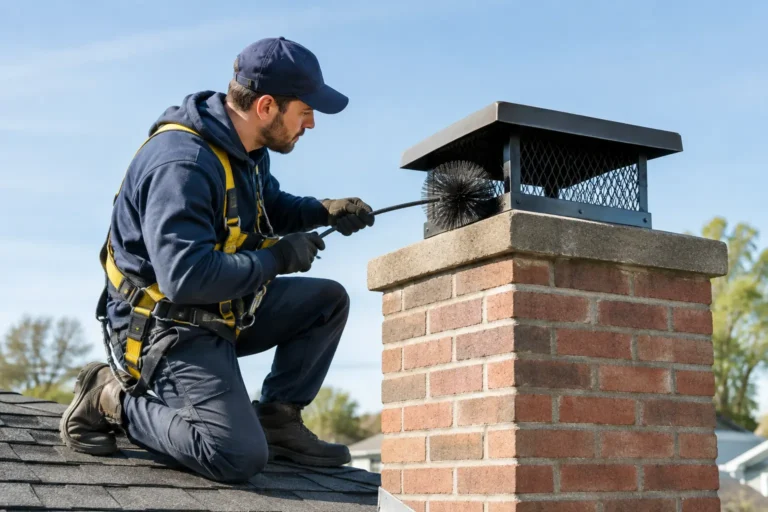
Professional equipment matters because household vacuums and vent brush kits do not clean an entire HVAC system. They may improve what is visible near the register, but they typically cannot reach deep duct runs or remove heavier accumulation safely and thoroughly. A proper cleaning targets the system more completely and helps avoid simply pushing debris farther along.
How to reduce pet dander between duct cleanings
Even after a professional service, prevention still matters. The less dander that enters the system, the better your indoor air quality tends to stay.
Start with the filter. A quality HVAC filter changed on schedule makes a real difference, but it has to be the right fit for your system. A filter with a higher rating is not always better if it restricts airflow too much. That is one of those areas where the right choice depends on your equipment and your household needs.
Regular pet grooming helps too, especially during heavy shedding seasons. Brushing outdoors when possible can keep some of that debris from ending up on floors and furniture. Frequent vacuuming, especially around return vents, also cuts down on what the system pulls in.
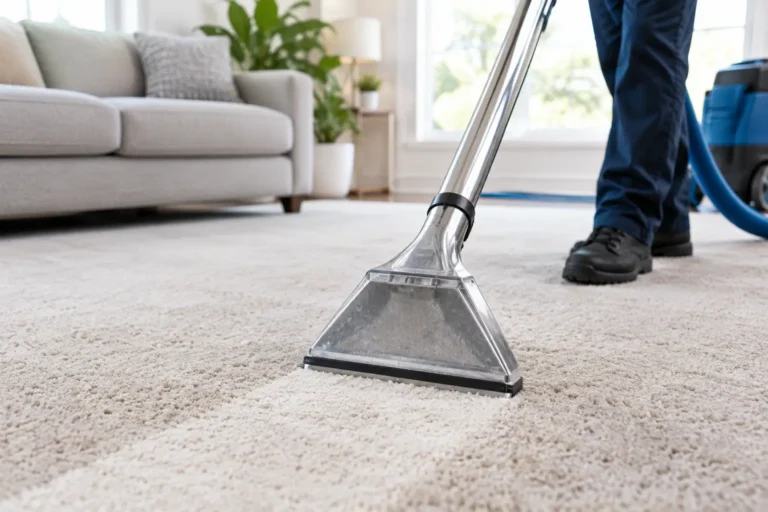
Soft surfaces should not be ignored. Carpets, rugs, couches, and mattresses can all hold dander and release it back into the air. In homes with pets, periodic deep cleaning often supports better results than surface cleaning alone.
If you have noticed ongoing dust, odor, or allergy complaints, it may be time to look beyond basic housekeeping. Companies like DMV Dream Clean help homeowners and property managers address these issues with specialized cleaning services designed to improve indoor air quality and remove buildup where everyday cleaning cannot reach.
Pet dander in air ducts and indoor air quality
Indoor air quality problems are not always dramatic. Sometimes they show up as a room that never feels fresh, dust that returns too quickly, or mild allergy symptoms that seem worse indoors than outside. Pet dander in air ducts can be part of that pattern, especially in homes where the HVAC system runs constantly.
The key is not to guess. If you can see dust around vents, if the home has a long pet history, or if the air feels dirty even after cleaning, it is worth having the system evaluated. You may need duct cleaning, or you may need a broader plan that also includes carpet, upholstery, and filter maintenance.
A cleaner home is not just about appearances. It is about breathing easier, keeping your HVAC system working more efficiently, and making the space more comfortable for everyone who lives or works there. If your vents may be part of the problem, taking action now can save you from chasing the same dust over and over again.