A wool rug can look tough enough for daily life, right up until one wrong cleaning method leaves it dull, stiff, or permanently discolored. That is why rug cleaning for wool fibers needs a different approach than standard carpet cleaning. Wool is durable, but it is also absorbent, sensitive to heat, and more likely to react badly to harsh chemicals or too much moisture.
For homeowners, renters, and property managers, that matters for more than appearance. A properly cleaned wool rug helps protect indoor air quality, keeps odors and dust from settling into the pile, and extends the life of a piece that often costs far more to replace than most people expect. When the goal is a cleaner, healthier space, the safest route is knowing what wool can handle and what it cannot.
Why wool rugs need special care
Wool is a natural fiber, and that gives it some real advantages. It resists crushing better than many synthetic materials, holds dye beautifully, and can stay attractive for years when maintained correctly. At the same time, those natural fibers can swell, shrink, bleed, or distort when exposed to the wrong products or cleaning process.
This is where many problems start. A cleaner that works well on synthetic wall-to-wall carpet may be too aggressive for a wool area rug. High alkalinity can strip the fiber’s natural protective layer. Overwetting can lead to browning, lingering odor, or damage to the rug foundation. Too much agitation can rough up the surface and change the texture.
In practical terms, wool rewards careful cleaning and punishes shortcuts. If a rug has fringe, rich dyes, a handwoven structure, or any age to it, that margin for error gets even smaller.
Common mistakes in rug cleaning for wool fibers
The biggest mistake is assuming all rugs can be cleaned the same way. They cannot. Wool needs lower-moisture control, fiber-safe products, and a method that removes soil without forcing water and detergent deep into the backing.
Another common issue is spot cleaning with store-bought stain removers. Some products are too strong, and others leave a residue that attracts more soil. You might get the visible stain lighter while creating a larger problem around it, especially if the cleaner alters the color or sets a ring.
Heat is another risk. Hot water sounds like a good idea for deep cleaning, but with wool, excess heat can cause shrinkage and fiber damage. Even drying conditions matter. A rug that stays damp too long can develop odor, mildew concerns, or dye migration.
Then there is over-scrubbing. People often attack a spot because they want fast results, but wool fibers do not respond well to rough treatment. The stain may stay while the texture changes for good.
What a safe wool rug cleaning process looks like
A proper process starts with inspection. Before any cleaning begins, the rug should be checked for fiber type, dye stability, wear patterns, fringe condition, backing issues, pet contamination, and any signs of prior damage. This step helps determine what method is safe and what level of cleaning is realistic.
Dry soil removal comes next, and it matters more than most people think. Wool rugs hold a surprising amount of dust, grit, and allergens. If that dry soil is not removed first, moisture can turn it into mud deeper in the fibers. Thorough dusting or vacuuming is often one of the most important parts of the job.
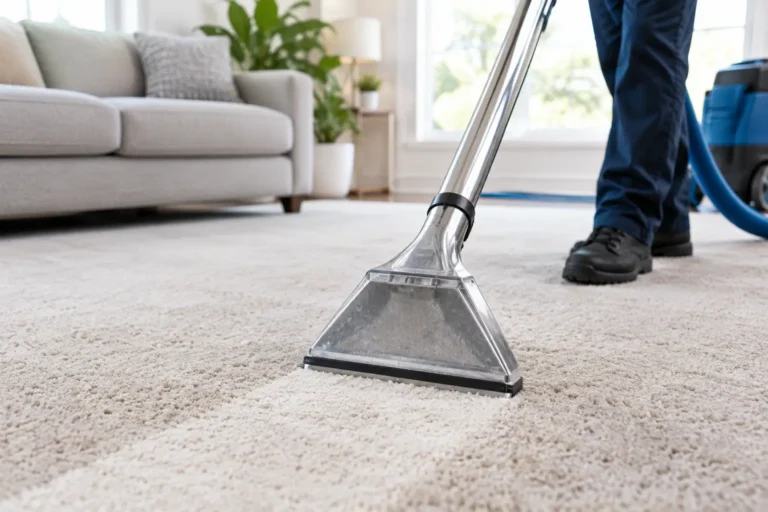
From there, cleaning should be controlled and fiber-appropriate. That usually means wool-safe solutions, measured moisture, and gentle handling. The goal is to lift soil, oils, and contaminants while preserving the rug’s texture, color, and structure. In many cases, less aggressive cleaning produces a better long-term result.
Rinsing and drying are just as important as the wash itself. Residue left behind can make the rug resoil faster. Slow drying can create avoidable issues. Good rug care is not only about getting the rug clean. It is about getting it clean, balanced, and dry without stress on the fibers.
When DIY works and when it does not
There is a place for basic at-home maintenance. Regular vacuuming without an aggressive beater bar can help reduce soil buildup. Rotating the rug helps even out wear and sun exposure. If a spill happens, blotting right away with a clean, dry towel is the best first move.
That said, there is a limit to what DIY cleaning should cover. If the rug has pet urine, deep odor, visible staining, heavy traffic darkening, or signs of color bleed, home methods can make things worse quickly. The same is true for larger rugs, heirloom pieces, and rugs with specialty dyes or delicate foundations.
It also depends on what you are trying to solve. Surface dust is one thing. Deep contamination is another. A wool rug that looks dull may not just be dirty on top. It may be holding packed soil, allergens, or moisture-related residue below the surface. That kind of buildup usually needs professional attention.
Signs your wool rug needs professional cleaning
If the rug still smells musty after vacuuming, if colors look flat, or if the pile feels sticky or stiff, it is probably overdue for a proper cleaning. The same goes for fringe discoloration, recurring dust, and stains that keep returning after spot treatment.
For homes with pets, kids, or allergy concerns, professional cleaning can make a noticeable difference in both appearance and air quality. Wool naturally traps fine particles, which is helpful until the rug becomes overloaded. Once that happens, walking across it can release those particles back into the room.
Commercial spaces and rental properties face a similar issue. Entrance rugs and waiting area rugs collect oils, grit, and odor fast. If the rug is part of the impression your space makes, cleaning it the right way is not cosmetic. It is part of maintaining the property.
How often should wool rugs be cleaned?
There is no single schedule that fits every rug. In a quiet room with light use, a wool rug may need professional cleaning less often than one in a family room, office, or entryway. Homes with pets, children, indoor shoes, or allergy sensitivity usually need more frequent service.
A good rule is to pay attention to condition rather than waiting for the rug to look obviously dirty. By the time a wool rug appears heavily soiled, a lot of debris may already be sitting deep in the pile. Routine professional cleaning helps remove that buildup before it shortens the rug’s life.
If you are unsure, an inspection is worth it. A trustworthy rug cleaning provider should explain what they see, what the rug needs, and whether there are any limitations based on its age, dyes, or condition.
Choosing the right company for rug cleaning for wool fibers
This is one area where experience matters. Wool rugs are not the place for guesswork. You want technicians who understand natural fibers, use appropriate cleaning solutions, and adjust the process based on the rug itself rather than treating every job the same way.
Ask simple, practical questions. Do they clean wool rugs regularly? Do they inspect for dye stability and fiber condition first? Can they explain how they control moisture and protect the rug during drying? Clear answers usually tell you a lot about the level of care you can expect.
It also helps to work with a company that values responsiveness and straightforward service. If you are juggling a busy home, managing a property, or trying to keep a business presentable, the process should feel easy. Fast scheduling, honest communication, and visible results matter just as much as the cleaning method.
For customers who want both careful treatment and reliable service, DMV Dream Clean focuses on practical results that protect the look, feel, and cleanliness of specialty rugs without adding confusion to the booking process.
Protecting your rug between cleanings
Daily habits make a difference. Vacuum gently and consistently. Blot spills immediately instead of rubbing them in. Keep wet shoes off the rug when possible, and use rug pads to reduce wear from friction underneath.
Sunlight is worth watching too. Wool holds color well, but constant direct exposure can still fade certain dyes over time. Rotating the rug every few months can help balance wear and color variation, especially in bright rooms.
If something unusual happens, such as a major spill, pet accident, or water exposure, quick action is the best protection. The longer moisture or contamination sits in wool, the harder it can be to fully correct.
A well-made wool rug can serve a space for years, but it needs the right kind of care to get there. Clean it thoughtfully, address problems early, and treat professional service as part of protecting the investment, not just fixing a mess after the fact.