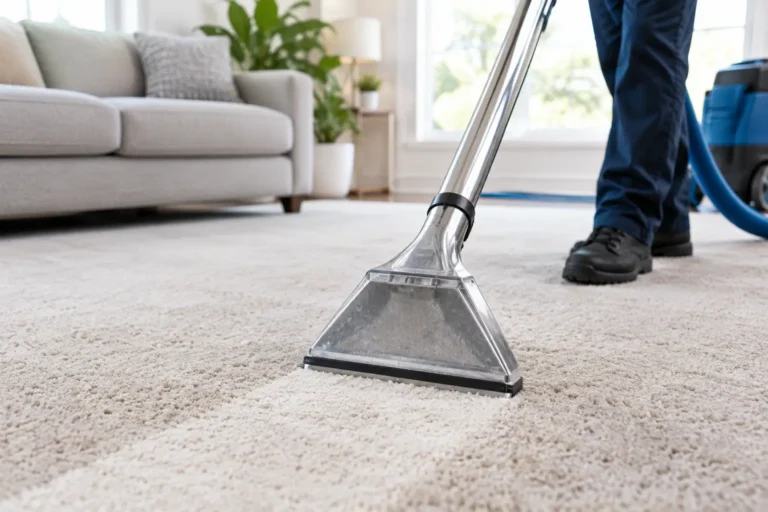
A rug can look fine at a glance and still hold onto a surprising amount of dust, grit, pet dander, and odor. That is why rug cleaning matters more than most people realize. If your rug sits in a busy hallway, under a dining table, or in a room where kids and pets spend time, it is doing more than decorating the space – it is collecting everything that comes through it.
For homeowners, renters, and property managers, the real question is not whether a rug needs attention. It is how to clean it without damaging the fibers, fading the color, or leaving it damp for too long. The right approach depends on the rug, the stain, and how heavily the area is used.
Why rug cleaning matters
Rugs trap dry soil long before they start to look dirty. That hidden grit settles deep into the pile and acts like sandpaper under foot traffic. Over time, fibers wear down faster, colors lose their brightness, and the rug starts to look tired even after vacuuming.
There is also the indoor air quality side of the problem. Rugs can hold allergens, pet hair, and odor-causing debris, especially in homes with children, pets, or frequent guests. In commercial spaces, dirty rugs can affect appearance just as much as cleanliness. A clean entry rug or lobby rug sends a different message than one that looks spotted, flattened, or neglected.
Regular care protects the investment and supports a healthier, cleaner environment. That matters whether you own a handmade area rug in a living room or manage multiple units with heavy foot traffic.
Not all rugs should be cleaned the same way
One of the biggest mistakes people make with rug cleaning is treating every rug like wall-to-wall carpet. That can create permanent damage. Material, dyes, backing, construction, and age all affect the safest cleaning method.
Synthetic rugs are usually more forgiving. They often respond well to standard cleaning methods and dry faster. Wool rugs need more care because they can shrink, bleed color, or become distorted if over-wet. Natural fiber rugs like jute, sisal, and seagrass are especially sensitive to moisture. Even a well-meaning spot treatment can leave staining, browning, or water marks if the rug is not handled correctly.
Older rugs and handmade rugs deserve extra caution. Aggressive scrubbing, harsh products, or rented carpet machines can do more harm than the original stain. In those cases, the safest choice is often professional evaluation before cleaning starts.
When DIY rug cleaning makes sense
There are times when at-home care is enough. If the rug needs light maintenance and there is no major staining, routine steps can help extend its life between deep cleanings.
Vacuuming is the foundation. It removes dry soil before it gets ground into the fibers. High-traffic rugs may need vacuuming several times a week, while lower-use rooms can often get by with less. If the rug has fringe, delicate edges, or a looped weave, use care around attachments and avoid pulling.
For a fresh spill, speed matters. Blot the area with a clean, dry cloth and work from the outside in so the stain does not spread. Avoid soaking the spot. Too much liquid pushes the problem deeper and can affect the backing or floor underneath.
Mild spot cleaning can help with some everyday messes, but only if the product matches the rug type. That is where many DIY jobs go wrong. A cleaner that works on synthetic fibers may not be safe for wool or natural materials. Even homemade solutions can cause dye movement or residue if they are not tested first.
When professional rug cleaning is the better call
Some situations need more than a vacuum and spot treatment. If the rug has deep soil, lingering odor, pet accidents, food staining, discoloration, or visible dullness, professional cleaning is usually the better option. The same goes for rugs in homes with allergy concerns or commercial spaces where appearance and sanitation both matter.
Professional service is also the safer choice when you are not sure what the rug is made of. Guessing can get expensive. A trained technician can identify likely fiber types, evaluate the level of buildup, and choose a method that cleans effectively without unnecessary risk.
This is where experience matters. Proper rug cleaning is not just about making the surface look better. It is about removing embedded debris, minimizing residue, managing moisture, and protecting the rug’s structure. Quick cosmetic cleaning may improve the look for a short time, but deeper issues often return fast if the soil is not fully removed.
What to expect from a quality rug cleaning service
A dependable service should start with a clear assessment. That includes the rug’s material, condition, level of soiling, problem spots, and any concerns about odor or staining. No responsible company should promise that every stain will come out completely, because results depend on what caused the stain, how long it has been there, and whether previous cleaning attempts changed it.
The process should also be straightforward. Customers want to know what is being cleaned, how long it will take, and what kind of results to expect. Good service means clear communication, honest recommendations, and attention to both cleaning and care.
For many property owners, convenience matters almost as much as the cleaning itself. Fast scheduling, responsive communication, and a professional technician who shows up prepared all make a difference. That is especially true when the rug is part of a larger cleaning need, such as upholstery, carpeted rooms, or post-water-damage recovery.
How often should rug cleaning be scheduled?
There is no single answer, because traffic and use vary widely. A formal room rug may stay in good shape with less frequent deep cleaning, while a family room rug may need much more attention. Homes with pets, young children, or frequent entertaining usually need service sooner. Commercial spaces and rental turnovers can also shorten the timeline.
As a general rule, rugs in active areas benefit from regular deep cleaning before they reach the point of obvious buildup. Waiting until a rug looks dirty usually means a lot of soil is already embedded in the fibers. Preventive cleaning is easier on the rug and often delivers better long-term results.
If you notice flattened pile, musty odor, repeated allergy irritation, or stains that seem to come back after drying, it is probably time to schedule service.
Rug cleaning mistakes that can cost you
Over-wetting is one of the biggest problems. Too much moisture can lead to odor, dye bleed, shrinkage, or issues with the rug pad and floor beneath. Scrubbing is another common mistake. It can distort fibers, spread stains, and rough up delicate materials.
Using the wrong cleaner is equally risky. Some products leave sticky residue that attracts more dirt. Others are too strong for the fiber and can lighten color or weaken the rug. Steam cleaning is not automatically safe for every rug either, despite how often machines are marketed for home use.
The other mistake is waiting too long. The longer dirt and stains sit, the more likely they are to bond with the fibers. Pet accidents are a good example. Even after the visible mark fades, odor and contamination may remain below the surface.
Choosing the right local company for rug cleaning
If you are hiring out the work, look for a company that takes time to ask the right questions. They should be able to explain their approach in plain language and give you a realistic idea of timing, pricing, and expected outcomes. A fast quote matters, but so does confidence that your rug will be treated properly.
Local experience is valuable because service needs often vary by property type and lifestyle. Busy households, managed properties, and commercial spaces all have different priorities. The best companies understand that customers are not looking for complicated explanations. They want dependable results, respectful service, and a cleaner space without hassle.
That is why many local customers choose providers like DMV Dream Clean for specialty cleaning needs. A responsive team, practical scheduling, and an experienced approach can make rug care feel simple instead of stressful.
Keeping your rug cleaner between appointments
The best way to protect a freshly cleaned rug is consistent maintenance. Vacuum regularly, rotate the rug to even out wear, and address spills right away. If the rug sits near an entry, using floor mats and removing shoes indoors can reduce the amount of grit carried onto the surface.
It also helps to keep sunlight and moisture in mind. Direct sun can fade certain rugs over time, while damp conditions can lead to odor and fiber issues. A quality rug pad can reduce friction, improve stability, and help the rug wear more evenly.
A clean rug changes how a room feels. It looks better, smells fresher, and holds up longer under everyday use. If your rug has started to lose that clean, cared-for look, the right cleaning approach can bring back more than appearance – it can restore confidence in the space itself.