Your couch may look clean and still be holding onto the exact things that make your nose run, your eyes itch, and your breathing feel off. Upholstery cleaning for allergies matters because soft furniture traps dust mites, pet dander, pollen, and everyday debris deep below the surface, where regular vacuuming often falls short.
If allergy symptoms seem worse when you are relaxing in the living room, working in an upholstered office chair, or waking up from a nap on the sectional, your furniture could be part of the problem. For many homes and businesses, upholstery acts like a filter. The difference is that it does not automatically clear itself out.
Why upholstered furniture can trigger allergy symptoms
Fabric-covered furniture collects particles every day. Dust drifts through the air and settles into cushions. Pet hair and dander cling to fibers. Pollen gets tracked indoors on shoes, clothing, and open windows. In humid conditions, upholstery can also hold onto moisture longer than hard surfaces, which can make odor and buildup worse.
The issue is not just what sits on top of the fabric. Allergens work their way into seams, padding, and the layers below the visible surface. That is why a chair can look fine and still affect indoor comfort. When someone sits down, shifts position, or fluffs a cushion, those particles can become airborne again.
This is especially noticeable in homes with pets, young children, older furniture, or heavy daily use. In offices, waiting rooms, and commercial spaces, multiple people using the same seating can increase how quickly soil and allergens build up.
Upholstery cleaning for allergies: what actually helps
The goal is not to make furniture sterile. It is to reduce the allergen load enough that the space feels cleaner, fresher, and easier to live in. Good upholstery cleaning for allergies focuses on removal, not just masking. That means lifting out embedded debris, reducing dust and dander, and using methods that do not leave furniture overly wet or coated with residue.
Vacuuming is a useful starting point, especially with a HEPA-filter vacuum and proper upholstery attachments. It helps with loose debris near the surface. But for furniture that has not been professionally cleaned in a while, vacuuming alone usually will not reach what is packed into the cushion and backing materials.
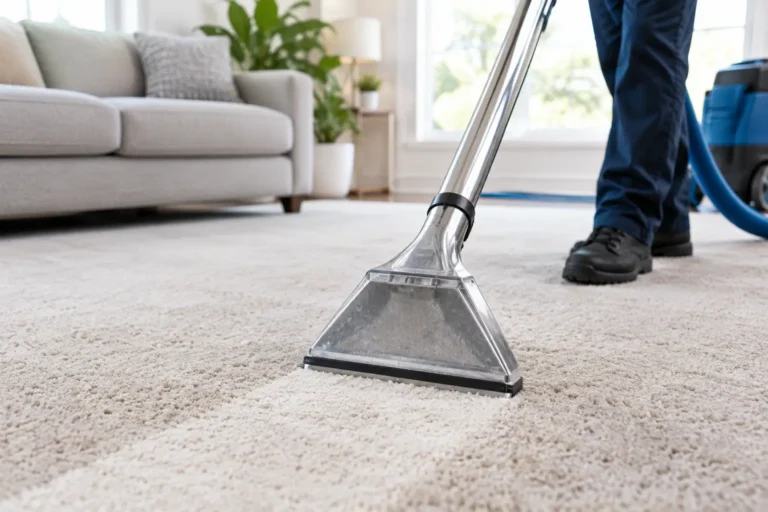
Professional upholstery cleaning can go much deeper. Depending on the fabric and condition, the right process may include detailed inspection, fabric-safe pre-treatment, extraction or low-moisture cleaning, and targeted work on high-contact areas like arms, seat cushions, and headrests. The best approach depends on the material. What works well for a durable synthetic sectional may not be right for delicate natural fibers.
That is where experience matters. Overwetting can create problems of its own, especially if furniture does not dry properly. Harsh products can leave residue that attracts more soil later. A careful, fabric-appropriate process gives better results and lowers the risk of damage.
Signs your furniture may be affecting indoor air quality
You do not need visible stains for upholstery to need attention. In many cases, the warning signs are subtle at first.
If people in the home or office tend to sneeze more in certain rooms, if the furniture smells dusty even after tidying up, or if cushions release a noticeable puff of odor or particles when moved, buildup is likely present. Allergy flare-ups after sitting on the couch, using a recliner, or spending time in upholstered common areas can also point to the furniture as a source.
Another clue is how long it has been since the last deep cleaning. Many people remember carpet cleaning and forget that upholstered furniture absorbs just as much day-to-day use. In homes with pets or allergy-sensitive family members, waiting too long between cleanings allows irritants to settle in and stay there.
What professional cleaning can remove
A proper upholstery cleaning service is designed to remove more than visible dirt. Depending on the condition of the furniture, it may pull out dust, pollen, pet dander, skin flakes, body oils, food crumbs, and other organic debris that feeds odor and discomfort.
It can also improve the feel of the room overall. Cleaner upholstery often means less stale smell, less trapped debris, and less recirculation of particles when furniture is used. That does not replace other indoor air quality services, but it supports them. If you are already paying attention to carpets, rugs, mattresses, and air ducts, upholstery should be part of the same conversation.
For households with asthma or strong allergy concerns, that combined approach often makes more sense than cleaning one surface and ignoring the others. Allergens do not stay in one place.
How often should upholstery be cleaned for allergies?
There is no single schedule that fits every property. It depends on who uses the furniture, whether pets are present, whether windows stay open during pollen season, and how sensitive the occupants are.
For many households, professional cleaning once or twice a year is a practical baseline. Homes with pets, children, smokers, or frequent guests may need more frequent service. The same goes for properties where someone has ongoing allergy symptoms or respiratory sensitivity.
Commercial spaces can have different demands. Waiting room chairs, office seating, and shared upholstered surfaces may benefit from routine maintenance because of the amount of daily contact. Property managers often find that regular cleaning helps extend furniture life while keeping the space healthier and more presentable.
A simple rule is this: if the furniture gets used constantly, or if people in the space react to dust and dander, do not wait until it looks dirty.
Between cleanings, what can you do yourself?
Professional service does the heavy lifting, but maintenance matters too. Vacuum upholstered surfaces regularly using the correct attachment. Focus on creases, seams, and under cushions, where debris tends to collect. Wash removable covers according to the manufacturer instructions, and avoid oversaturating fabric with store-bought sprays.
If you have pets, brushing them regularly and washing pet bedding can reduce how much dander ends up in the furniture. Using high-quality HVAC filters and keeping humidity in check can also help limit how much dust and allergen material settles into soft surfaces.
That said, there is a limit to what home care can do. Once allergens and soil are embedded deep in the upholstery, surface cleaning will only go so far.
When DIY is not enough
Spot cleaning has its place, but allergy-related buildup is different from a single spill. Home machines and spray products can sometimes make things worse by pushing moisture into the cushion, leaving detergent behind, or spreading a stain without actually removing what is buried below.
There is also the fabric issue. Some materials are fairly forgiving. Others can shrink, fade, water-ring, or lose texture if cleaned the wrong way. If you are dealing with a large sectional, upholstered dining chairs, office seating, or furniture that gets heavy daily use, professional care is usually the safer and more effective option.
For customers who want a cleaner, healthier indoor environment without guesswork, working with experienced technicians saves time and reduces risk. A trained team can identify the fabric, choose the right method, and clean thoroughly without treating every piece the same way.
A practical way to think about allergy relief
Furniture cleaning is not a cure for allergies, and no honest company should present it that way. But it can make a meaningful difference, especially when symptoms are tied to indoor triggers. Reducing the buildup in your most-used seating areas can help your home or workplace feel cleaner and more comfortable day to day.
That is one reason many local customers choose DMV Dream Clean for specialized deep-cleaning services. The value is not just in making furniture look better. It is in helping create a space that feels fresher, safer, and easier to live or work in.
If your couch, chairs, or upholstered office furniture have been collecting dust and dander for months or years, the next step does not need to be complicated. Start with the surfaces people use the most, clean them the right way, and give your indoor air one less thing to fight against.