A burst supply line, overflowing toilet, roof leak, or backed-up drain can put water where it does not belong in minutes. The right water extraction options can limit damage to flooring, walls, furniture, and indoor air quality, but the best approach depends on the water source, how far it traveled, and how long materials stayed wet.
For homeowners, renters, property managers, and business owners in Maryland, Washington, DC, and Northern Virginia, the goal is not simply to remove visible water. It is to dry the structure thoroughly, prevent mold-friendly conditions, and protect the parts of the property that may be damaged out of sight.
Start With Safety and the Water Source
Before choosing an extraction method, make the area safe. If water is near outlets, appliances, electrical panels, or damaged wiring, avoid entering the space until power risks have been addressed. Shut off the water supply when a plumbing failure is involved, if it is safe to do so.
The type of water also changes the response. Clean water from a broken supply line may be suitable for a limited, careful cleanup if the affected area is small and caught quickly. Water from a washing machine overflow may begin clean but can become contaminated after moving through dirty flooring or building materials.
Water from toilets, sewage backups, drain overflows, flooding, or outdoor runoff should be treated as contaminated. It can contain bacteria and other hazards that require protective equipment, sanitation, and professional restoration procedures. Do not use household towels, a standard vacuum, or an ordinary shop vacuum for sewage-affected water.
Water Extraction Options Based on the Size of the Loss
There is no one-size-fits-all solution. A small spill in a kitchen is different from several inches of water across a finished basement or commercial suite.
Towels, Mops, and Absorbent Materials
For a minor clean-water spill on a hard surface, absorbent towels and mops can help remove standing water quickly. This option works best when the affected area is small, water has not reached baseboards or wall cavities, and drying can begin immediately.
The limitation is that mopping only removes surface water. It does not pull moisture from carpet padding, subflooring, insulation, drywall, or gaps around cabinets. If flooring still feels damp, starts to cup, or has a musty odor after the surface looks dry, more complete extraction and drying may be needed.
Wet/Dry Vacuums for Small, Clean-Water Areas
A wet/dry vacuum can be useful for small amounts of clean water on hard floors or low-pile carpet. It can remove more water than towels alone and may help reduce drying time when used promptly.
This is not an answer for widespread water damage, saturated carpet padding, contaminated water, or water that has seeped beneath flooring. Improper use can also spread contamination or create electrical hazards. Never use a regular household vacuum for water extraction.
Carpet Extraction Equipment
Professional-grade extractors remove water from carpet fibers and, when necessary, from the padding beneath them. This is especially valuable after a clean-water appliance leak, plumbing leak, or localized overflow that reaches carpeted rooms.
Whether carpet can be saved depends on several factors: the water category, the amount of saturation, the condition of the carpet and padding, and the time elapsed. Padding often requires removal because it holds moisture and is difficult to dry completely. A trained restoration team can evaluate whether cleaning and drying are appropriate or whether replacement is the safer choice.
Submersible Pumps for Deep Standing Water
When water is several inches deep, submersible pumps are often the most efficient option. These units move large volumes of water from basements, crawl spaces, commercial spaces, and other heavily flooded areas.
Pumping is only the first stage. Once standing water is gone, moisture can remain in concrete, framing, flooring systems, drywall, and stored belongings. The space still needs extraction at the surface level, targeted drying equipment, and moisture monitoring to avoid hidden damage.
Truck-Mounted or Portable Professional Extractors
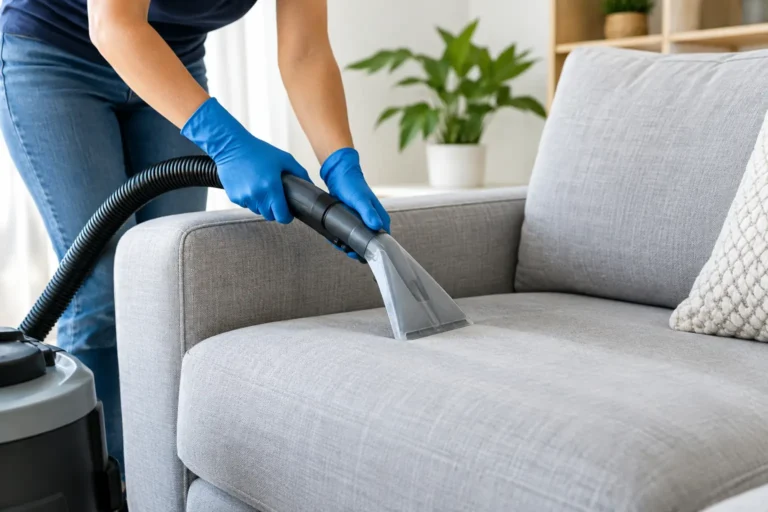
Professional water extraction equipment has far greater suction and capacity than consumer equipment. Technicians can use portable or truck-mounted extractors to remove water from carpet, upholstery, hard surfaces, and other affected materials while controlling where the collected water goes.
This option is often appropriate for larger leaks, multi-room damage, rental properties, offices, retail spaces, and any situation where fast drying matters. Strong extraction reduces the amount of moisture that drying equipment must remove later, which can help protect materials and shorten disruption.
Extraction Is Only One Part of Water Damage Restoration
A floor can look dry while moisture remains underneath it. That is why a proper response includes inspection, extraction, drying, cleaning, and verification.
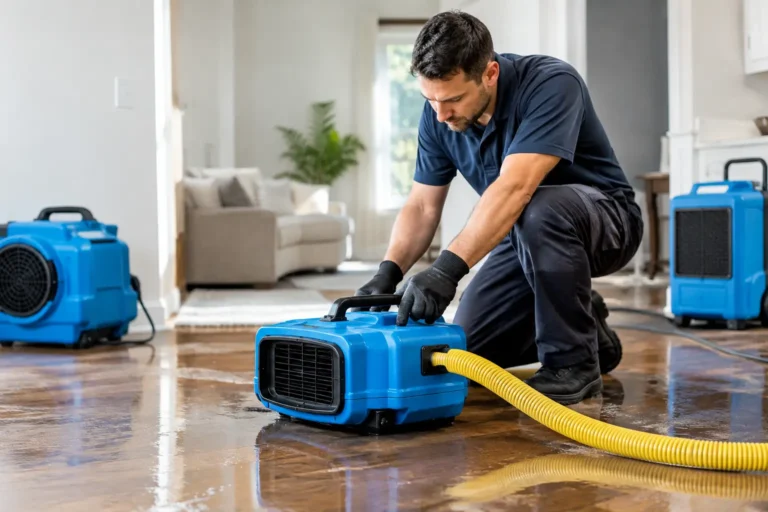
After water removal, restoration professionals use air movers to increase evaporation and dehumidifiers to pull moisture from the air. Depending on the affected materials, they may also use specialty drying methods for hardwood floors, wall cavities, crawl spaces, or dense structural materials. Moisture meters and thermal imaging tools can help locate damp areas that are not visible during a basic walk-through.
Cleaning and sanitizing are also part of the process when water has contacted contaminated surfaces. Porous items such as insulation, wet ceiling tiles, damaged drywall, and certain contents may need to be removed when they cannot be safely dried or cleaned. This can feel frustrating, but leaving compromised materials in place can create larger problems later.
How Quickly Should Water Be Extracted?
The short answer is: as soon as possible. Water can travel beneath baseboards, into carpet padding, behind cabinets, and through ceiling assemblies faster than many property owners expect. The longer materials remain wet, the higher the chance of swelling, staining, warping, odor, and microbial growth.
A prompt response is particularly important with hardwood flooring, laminate, drywall, upholstered furniture, and paper-based materials. Even when the source is clean, delays can turn a manageable leak into a more extensive restoration project.
If you are waiting for professional help, move dry belongings away from the affected area when it is safe to do so. Lift furniture legs off wet flooring with blocks or supports, but do not place plastic directly beneath furniture if it traps moisture. Take photos for documentation, especially if you may file an insurance claim. Avoid opening walls, removing flooring, or running powerful fans in a contaminated-water situation unless directed by a qualified restoration professional.
When DIY Water Removal Is Not Enough
Calling a professional is the safer choice when water covers more than a small area, has soaked carpet or padding, came from a sewer or toilet backup, entered walls or ceilings, or has been sitting for several hours. Professional help is also recommended when a leak occurs in a multi-unit building, commercial property, or area with valuable equipment and inventory.
Watch for warning signs after a cleanup: a lingering musty smell, bubbling paint, warped flooring, loose baseboards, discolored drywall, or humidity that remains high in the affected room. These signs can indicate trapped moisture even after standing water is gone.
DMV Dream Clean helps property owners respond with professional extraction, structural drying, and practical guidance throughout the restoration process. Fast scheduling and clear communication can make a stressful property issue easier to manage.
Choosing the Right Response for Your Property
The best water extraction option is the one that matches the source, scale, and condition of the damage. Towels and a wet/dry vacuum may be enough for a small, clean spill caught immediately. Pumps and professional extractors are better suited to standing water, saturated materials, and larger affected areas. Contaminated water and hidden moisture call for trained restoration support.
When water enters your property, act quickly, protect your safety, and focus on complete drying rather than appearances alone. A prompt, careful response gives your home or business the best chance of returning to a clean, safe condition.