A wet carpet after an overflowing sink may look like a cleaning problem. Water that has reached the carpet pad, baseboards, drywall, or subfloor is a property damage problem. Understanding water extraction vs drying services helps you respond with the right level of care before odors, mold, warped materials, and hidden moisture turn a small incident into a larger repair.
For homes, rentals, offices, and commercial spaces across Maryland, Washington DC, and Northern Virginia, the right response usually starts with quick action. Extraction removes the water you can see. Drying addresses the moisture you cannot see. Both matter, but they do different jobs.
What Water Extraction Does
Water extraction is the process of removing standing water and heavily saturated moisture from a property. Technicians typically use commercial pumps, wet vacuums, and high-powered extraction equipment to pull water from carpet, padding, flooring, and other affected surfaces.
The immediate goal is simple: remove as much water as possible, as quickly as possible. The less water left behind, the less time it has to soak into building materials and personal belongings. This can help reduce damage to carpets, wood floors, drywall, furniture, and lower levels of a building.
Extraction is especially important after a burst pipe, appliance leak, toilet overflow, roof leak, flooded basement, sprinkler discharge, or storm-related water intrusion. In a commercial setting, it can also help reduce downtime in customer areas, offices, hallways, and storage spaces.
However, extraction is not the same as complete drying. A carpet can feel much less wet after extraction while the pad beneath it, the backing, the tack strips, and the subfloor still hold moisture. That is why stopping after water removal can leave a property vulnerable to ongoing damage.
What Drying Services Do
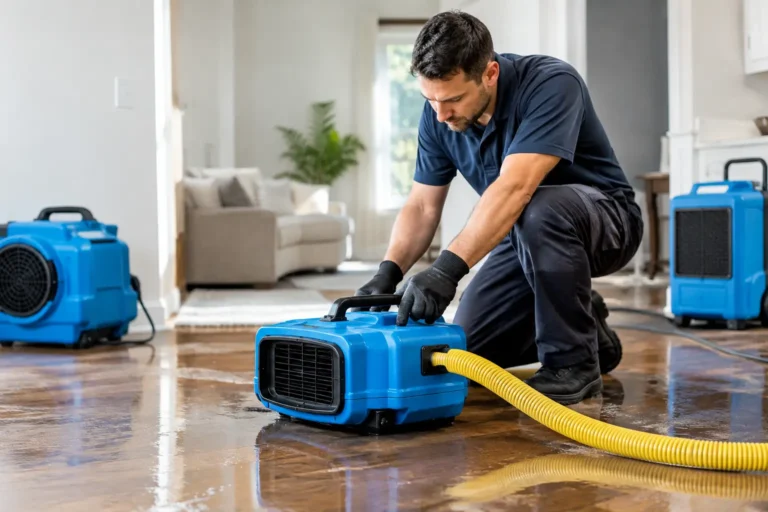
Drying services focus on moisture that remains after standing water is removed. This process uses professional air movers, dehumidifiers, moisture meters, and sometimes specialty drying equipment to lower moisture levels in materials and the surrounding air.
A proper drying plan is based on the affected materials and the extent of the water migration. Drywall, insulation, hardwood, laminate, carpet padding, concrete, and cabinetry do not dry at the same rate. A technician may need to remove damaged materials when they cannot be dried safely or when water has reached concealed areas.
Drying is not just placing a few fans in a room. Household fans may move air, but they often do not provide the controlled airflow and dehumidification needed to dry structural materials. They can also create a false sense that the job is finished because the surface feels dry before the inside of a wall or floor has reached an acceptable moisture level.
Professional drying includes monitoring. Technicians take readings over time to confirm that the affected area is actually drying, not simply looking better. That verification is one of the most important differences between a quick cleanup and a restoration-focused response.
Water Extraction vs Drying Services: Why You Often Need Both
Extraction and drying are separate steps in the same recovery process. Extraction handles the bulk water. Drying manages the moisture left behind. In many water damage situations, using only one service leaves part of the problem unresolved.
For example, imagine a washing machine supply line fails and water spreads across a laundry room and nearby hallway. Extraction can remove water from the floor and carpet quickly. Drying equipment may still be needed for the carpet pad, baseboards, wall cavities, and subfloor. If those materials stay damp, odors can develop and surfaces may swell, stain, or deteriorate.
The same applies to a flooded basement. Removing several inches of water is urgent, but concrete walls, framing, insulation, stored items, and flooring may retain moisture long after the visible water is gone. A reliable restoration provider evaluates the full affected area instead of treating the surface as the whole problem.
There are limited cases where extraction alone may be enough. A small amount of clean water on a nonporous surface that is addressed immediately may only require removal and basic cleaning. Once water reaches absorbent materials or sits for more than a short time, professional drying becomes much more likely to be necessary.
The Type of Water Changes the Response
Not all water damage should be handled the same way. The source of the water affects what can be cleaned, dried, or saved.
Clean water usually comes from a sanitary source, such as a broken supply line or an overflowing sink with clean water. Even then, fast action is essential because clean water can become contaminated if it sits.
Gray water may come from washing machines, dishwashers, or other sources containing some contaminants. Materials exposed to gray water often need more careful cleaning and sanitizing before drying can be considered complete.
Black water is highly contaminated and may come from sewage backups, toilet overflows involving waste, or outdoor floodwater. This situation requires specialized safety procedures. Porous materials such as carpet padding, insulation, and some upholstered items may not be safe to keep. Do not walk through contaminated water or attempt to dry it with household equipment.
What a Professional Water Damage Visit Should Include
A dependable water restoration visit begins with identifying the source and making sure the water has stopped. If the leak continues, drying equipment cannot solve the underlying problem.
Next comes an inspection of visible and hidden moisture. Technicians assess where water traveled, which materials are affected, and whether extraction, drying, cleaning, sanitizing, or removal is needed. Moisture meters are valuable because water often moves below flooring, behind walls, and beneath cabinets without obvious signs on the surface.
After extraction, the drying setup is tailored to the space. Air movers direct airflow across wet materials, while dehumidifiers remove moisture from the air so those materials can continue releasing water. The equipment remains in place for as long as conditions require, with follow-up moisture checks to track progress.
For property managers and business owners, documentation also matters. Clear records of affected areas, equipment placement, moisture readings, and recommended next steps can support maintenance decisions and help keep the recovery process organized.
When to Call for Help Right Away
A quick response can make a meaningful difference in what can be saved. Call for professional water extraction and drying help if water has spread beyond a small, easily contained area; carpet, drywall, wood flooring, or insulation is wet; the source involves sewage or contaminated water; you notice a musty odor; or the water has been sitting for several hours.
You should also call if a ceiling is sagging, paint is bubbling, floorboards are lifting, or water has reached electrical outlets, appliances, or HVAC components. In those cases, prioritize safety. Avoid using electrical equipment near the affected area, and do not enter a space where there may be an electrical hazard.
Renters should notify their landlord or property manager promptly, even if they arrange immediate cleanup. Homeowners should document the source and visible damage with photos when it is safe to do so. Businesses should protect employees and customers by blocking off wet areas until the space can be assessed.
Protecting Your Property After the Equipment Is Removed
Drying equipment is not the final detail. Once moisture levels are back to normal, the area may still need cleaning, deodorizing, repairs, or replacement of materials that could not be safely restored. Carpets may need professional cleaning, and upholstered furniture or rugs exposed to water should be evaluated before use.
Pay attention to the days that follow. Lingering odors, new stains, soft drywall, peeling paint, or recurring dampness can indicate that moisture remains or that damage was more extensive than it first appeared. Addressing those signs early is usually less disruptive and less costly than waiting for mold growth or material failure.
DMV Dream Clean provides responsive water damage support with a focus on clean, safe, professionally cared-for spaces. The best next step after water enters your property is not to guess whether it will dry on its own. Remove the water, verify the drying, and give your home or business the chance to recover properly.