You walk in the door, and there it is – that stale, damp smell that makes the whole house feel less clean, even when everything looks tidy. If you’re asking what causes musty smell in house conditions, the short answer is usually trapped moisture. The harder part is figuring out where that moisture is hiding and whether the odor is coming from fabric, airflow, water damage, or mold growth behind the scenes.
A musty smell is rarely random. It usually points to a condition in the home that needs attention, not just air freshener. In some cases, the fix is simple. In others, the smell is your first warning that water has gotten into materials that should be dry.
What causes musty smell in house environments most often
The most common cause is excess moisture that does not dry properly. That can come from a visible leak under a sink, a damp basement after heavy rain, wet carpet padding, condensation around HVAC components, or humidity that stays too high day after day. When moisture lingers, porous materials like drywall, wood, insulation, rugs, and upholstery start holding odor.
Musty smells are often connected to mold or mildew, but not always in the dramatic way people imagine. You do not need to see black spots on a wall for odor to develop. Microbial growth can begin in hidden spaces such as under flooring, behind baseboards, inside ducts, around window frames, or beneath furniture where air circulation is poor.
The smell itself comes from organic compounds released as mold and mildew grow. That is why the odor tends to feel earthy, damp, stale, or basement-like. If the smell gets stronger after rain, when the AC turns on, or after the house has been closed up, that is a useful clue.
The most common places musty odors start
Basements are a frequent source because they naturally collect humidity and are more vulnerable to seepage, foundation moisture, and poor ventilation. Even if the basement does not look flooded, damp concrete, stored cardboard, old carpet, and unfinished walls can hold odor for a long time.
Bathrooms are another common problem area. Steam from showers, slow leaks around toilets, damp grout, wet bath mats, and weak exhaust fans create the kind of conditions mildew likes. If a bathroom smells musty even after cleaning, the issue may be behind the wall, under the flooring, or in materials that never fully dry.
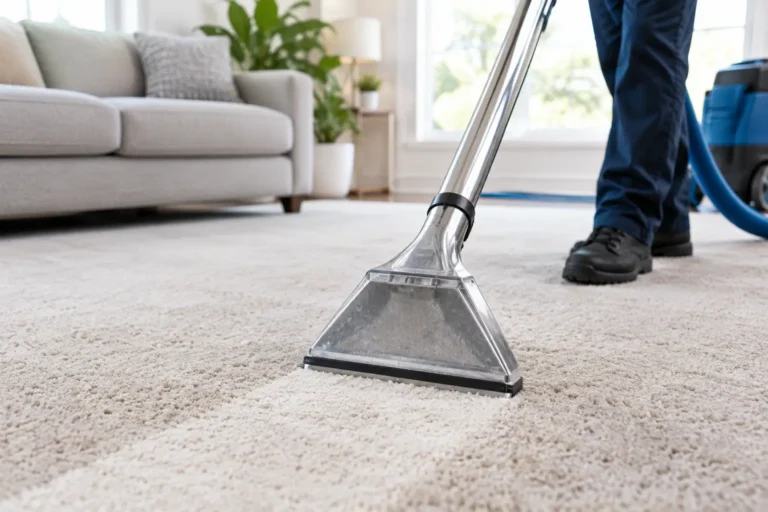
Carpets and rugs can also hold a surprising amount of moisture. A spill that soaked through to the pad, pet accidents, past water damage, or high indoor humidity can all create a lingering smell. Surface cleaning helps in some cases, but if the padding underneath stayed wet, the odor can come back quickly.
HVAC systems deserve attention too. If the smell seems stronger when the heat or air conditioning runs, dirty ductwork, moisture around the evaporator coil, clogged drain lines, or a neglected air filter may be part of the problem. In homes with long-standing dust buildup and condensation issues, odors can circulate from room to room instead of staying in one area.
When the smell is really a water damage issue
One of the biggest reasons musty odors persist is that the real problem is not odor at all – it is water damage. A roof leak, plumbing leak, appliance overflow, or hidden pipe issue can wet materials inside walls, ceilings, or floors for days or weeks before there is visible staining.
By the time a room smells musty, the water may have already affected drywall, subflooring, insulation, trim, or nearby fabrics. This is why simply cleaning the visible surface does not always solve it. If the wet source is still active, or if water-damaged material never dried correctly, the smell usually returns.
This is also where timing matters. Fresh moisture problems are easier to correct than long-term ones. A quick response can sometimes save flooring, carpet, and structural materials. Waiting too long often turns a drying problem into a removal and restoration problem.
What causes musty smell in house air after cleaning
This is a common frustration. Homeowners scrub floors, wash surfaces, open windows, and even use deodorizers, but the smell stays. That usually means the source is absorbed into materials or hidden in areas regular cleaning does not reach.
Soft surfaces are frequent culprits. Upholstery, drapes, mattresses, and rugs can absorb odor from moisture and hold onto it, especially in homes with limited air movement. Air ducts can do the same in a different way – they do not absorb odor like fabric, but they can collect debris and circulate stale-smelling air through the property.
There is also a difference between dirt and contamination. A room can look visually clean and still have odor trapped in carpet backing, ductwork, under furniture, or in the wall cavity behind a leak. That is why persistent musty smells often need more than housekeeping. They need source identification.
Signs the odor may be mold or mildew
A musty smell does not confirm mold on its own, but certain patterns make it more likely. If the smell is strongest in one area, worsens after rain, follows a past leak, or seems tied to a damp room, mold or mildew should stay on the list of possibilities.
Other signs include peeling paint, bubbling drywall, warped baseboards, condensation on windows, recurring bathroom mildew, and allergy-like symptoms that seem worse indoors. Still, every case is different. Sometimes the issue is active growth. Sometimes it is old moisture damage that left odor behind in materials. Sometimes it is poor ventilation keeping everything just damp enough to smell off.
That is why guessing can waste time. You want to find out whether the space is currently wet, previously damaged, or simply not drying properly.
How to narrow down the source
Start by noticing where and when the smell is strongest. If it hits you when the HVAC starts, check vents, filters, and areas around the indoor unit. If it is strongest near floors, look at carpet, baseboards, and furniture that sits against exterior walls. If it shows up after storms, think basement moisture, roof issues, window leaks, or foundation seepage.
Pay attention to rooms with plumbing. Kitchens, bathrooms, laundry rooms, and utility areas can all hide slow leaks. Under-sink cabinets, behind washers, around water heaters, and near refrigerator water lines are worth checking. Even a small drip over time can create odor in cabinetry and drywall.
Humidity is another factor people overlook. If the house feels sticky, windows fog, or towels and fabrics take a long time to dry, indoor moisture may be too high. In that case, the smell may not be coming from one dramatic source. It may be the result of the entire home staying too damp.
What actually helps fix it
The first step is stopping the moisture source. Without that, odor removal is temporary. Leaks need repair, drainage issues need correction, and humid spaces need better ventilation or dehumidification.
The second step is treating or removing affected material, depending on the severity. Some rugs, carpets, upholstery, and hard surfaces can be professionally cleaned and restored if addressed early. Other materials, especially heavily water-damaged padding, insulation, or drywall, may need replacement.
The third step is improving the air side of the problem. If odor has been circulating through the home, services like air duct cleaning, carpet cleaning, and targeted deep cleaning can help remove what standard cleaning leaves behind. In homes with confirmed water damage, proper drying and restoration are often what finally solves the smell for good.
For property owners who want a practical path forward, that is usually the smartest approach: identify the moisture, correct the cause, clean or restore the affected areas, and make sure the home is drying the way it should. Companies like DMV Dream Clean often see musty odor complaints tied not to one single mess, but to a chain of issues involving moisture, fabric, airflow, and neglected buildup.
When to call for professional help
If the odor has lasted more than a few days, keeps returning, or seems tied to a leak, soaked carpet, basement dampness, or HVAC airflow, it is worth getting a professional assessment. The same goes for smells that follow flooding, pipe leaks, or any situation where materials may have stayed wet.
Professional help can also save time when the source is unclear. Instead of cleaning room by room and hoping for the best, you can focus on the areas most likely to be causing the problem. That matters in homes, rentals, offices, and commercial spaces where odor affects comfort, air quality, and how the property is perceived.
A musty house smell is annoying, but it is also useful information. It tells you something in the home is holding moisture when it should not be. Once you find that source and deal with it directly, the space does not just smell better – it feels cleaner, healthier, and easier to live in.