A damp basement can turn into a property problem faster than most homeowners expect. Water can wick into drywall, insulation, carpet backing, stored boxes, and framing long after the visible puddle is gone. This basement moisture cleanup guide explains what to do first, what can be safely handled on your own, and when professional water damage restoration is the smarter call.
Basement Moisture Cleanup Guide: First 24 Hours
Start by identifying the source of the moisture. A leaking appliance, plumbing line, foundation crack, overflowing gutter, sump pump failure, or storm-related seepage each calls for a different repair. Cleanup matters, but stopping additional water from entering is the first priority.
Do not enter a basement with standing water if electrical outlets, extension cords, appliances, or the electrical panel may be affected. If you can safely reach the breaker panel from a dry location, turn off power to the basement. When there is any doubt, wait for a qualified professional. Water and electricity are not a DIY risk worth taking.
If the water is clean and the affected area is small, begin removing it as soon as conditions are safe. A wet/dry vacuum, mop, towels, or a portable pump can help with shallow water. Move furniture, rugs, storage bins, and other items away from wet flooring. Set wet belongings on a dry surface where air can circulate around them.
Take photos before throwing anything away, especially after a plumbing failure or storm event. Clear documentation can help with insurance questions and gives restoration professionals a better picture of what happened.
The type of water matters. Water from a clean supply line is usually less hazardous than water from a drain backup, toilet overflow, sewer line, or floodwater. Gray water from appliances and black water from sewage can contain contaminants. Avoid handling contaminated water without proper protection, and do not try to save porous materials that have absorbed sewage or floodwater.
Drying Is More Than Removing the Puddle
A basement may look dry while moisture remains trapped below the surface. That hidden moisture is what leads to musty odors, warped materials, mold growth, and damaged finishes. Successful cleanup requires drying the air, surfaces, and building materials.
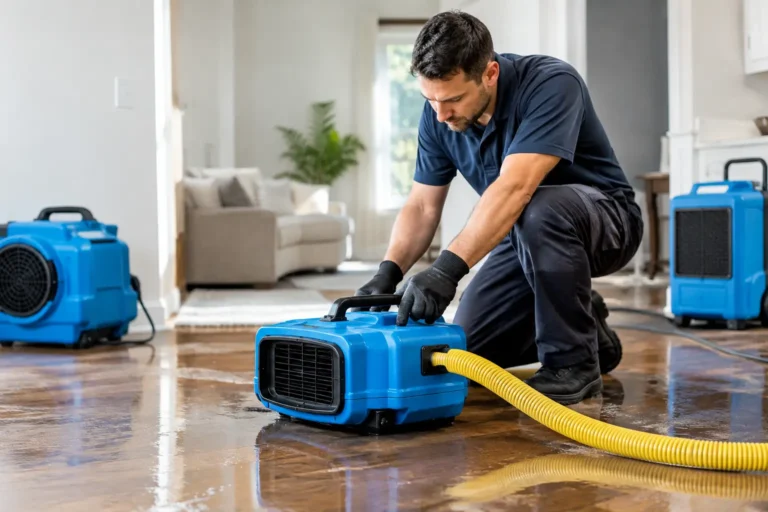
Open windows only when outdoor air is drier than the basement air. On a hot, humid Maryland, DC, or Northern Virginia day, open windows can bring more moisture inside. Instead, use a dehumidifier and fans to pull moisture out of the space. Fans should move air across wet surfaces, while a dehumidifier helps lower the overall humidity level.
Aim to keep basement humidity below 50 percent after cleanup. A basic hygrometer can help you track it. If the space stays damp despite running a dehumidifier, there may be moisture behind walls, beneath flooring, or entering through the foundation.
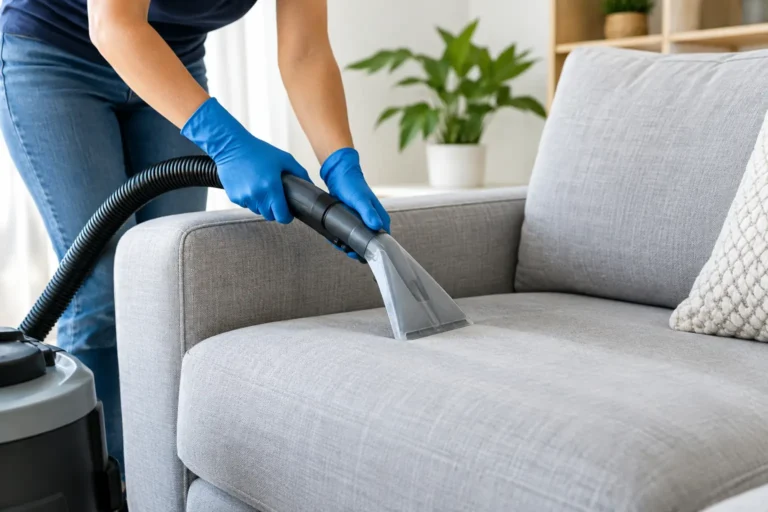
Remove soaked cardboard boxes, paper items, fabric storage bins, and loose insulation quickly. These materials hold moisture and provide a food source for mold. Wet carpet may be salvageable after a small clean-water incident if it is professionally extracted and dried promptly. Carpet padding, however, often needs to be removed because it retains water and dries poorly.
Drywall is another judgment call. If only the lower edge was lightly dampened by clean water and dries quickly, it may be recoverable. Drywall that is swollen, soft, stained, moldy, or wet from contaminated water should be removed. The same applies to wet insulation behind a finished basement wall. Leaving compromised materials in place can create a larger indoor air quality issue later.
Clean Surfaces After They Are Dry
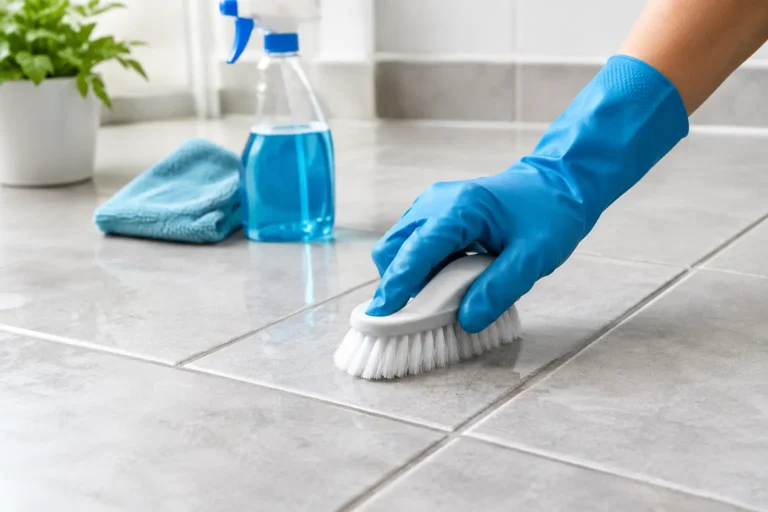
Once the area is dry, clean hard, nonporous surfaces such as tile, sealed concrete, metal, and plastic storage containers with an appropriate household cleaner. Do not rely on fragrance sprays to cover a musty smell. Odor is often a sign that moisture remains or mold has developed somewhere out of sight.
Avoid mixing cleaning products. Bleach and ammonia-based products can create dangerous fumes when combined. Bleach is also not a complete answer for porous materials like unfinished wood, drywall, carpet, or insulation. Those materials may need removal, controlled drying, or professional treatment instead.
Watch for Signs That Moisture Is Still Active
A basement does not need a visible flood to have a serious moisture problem. Small leaks and recurring seepage can damage a space over months. After initial cleanup, look for damp spots returning along walls, floor edges, windows, or around utility lines.
Common warning signs include a persistent musty odor, peeling paint, bubbling wall finishes, white chalky deposits on masonry, warped baseboards, rust on stored tools, and condensation on pipes or windows. You may also notice carpets that feel cool or damp, floors that buckle, or dark spotting around drywall seams.
Mold can begin growing within 24 to 48 hours when materials remain wet. Not every dark mark is mold, but visible growth or a strong earthy odor should be taken seriously. Disturbing a large moldy area can spread spores to other parts of the home, particularly if the HVAC system is running.
For a small, isolated spot on a hard surface, careful cleaning may be enough. If growth covers a larger area, returns after cleaning, affects drywall or insulation, or follows sewage or floodwater exposure, professional assessment is the safer option. Families with allergies, asthma, respiratory conditions, young children, or older adults should be especially cautious about ongoing dampness and mold exposure.
When to Call for Professional Water Damage Restoration
Some basement cleanup jobs are manageable, but fast professional help can prevent a minor event from becoming a costly rebuild. Restoration equipment is designed to measure hidden moisture and dry materials more thoroughly than household fans and a single dehumidifier.
Call a water damage restoration team when water has reached walls, carpet padding, insulation, wood framing, or finished flooring. You should also call when there is sewage, floodwater, a large amount of standing water, suspected mold, repeated basement leaks, or a musty smell that will not go away.
Professional technicians can extract water, inspect moisture levels inside building materials, remove damaged materials when needed, set up commercial drying equipment, and help protect the affected area from further damage. The right response depends on the source of water, how long it sat, and what materials were affected. A finished basement generally requires a more detailed inspection than an unfinished concrete storage area.
DMV Dream Clean provides responsive water damage restoration support for homeowners, renters, property managers, and businesses that need help restoring a clean, safe space after moisture damage. Fast action can reduce the chance of mold, structural deterioration, and unnecessary replacement costs.
Prevent the Next Basement Moisture Problem
Cleanup is only half the job. If the source is not corrected, moisture will return. Check gutters and downspouts regularly, and make sure downspouts direct water well away from the foundation. Keep grading around the home sloped away from exterior walls so rainwater does not collect at the basement perimeter.
Inspect your sump pump before heavy rain seasons. Test it by pouring water into the pit and confirming that it activates, pumps water out, and shuts off properly. If your area experiences frequent outages, a battery backup may be worth considering. Also inspect plumbing supply lines, water heaters, washing machine hoses, and HVAC condensate drains for drips or corrosion.
Avoid storing belongings directly on a basement floor. Use shelving and plastic storage totes with secure lids, especially for documents, seasonal items, and textiles. In a basement that tends to run humid, use a dehumidifier consistently rather than waiting for a damp smell to appear.
The best time to deal with basement moisture is when the first warning sign appears: a small puddle, a damp corner, or an odor that seems minor. Addressing it early protects the space you use now and the property value you want to preserve later.