A home can feel comfortable while its HVAC system is working far harder than it should. If you have noticed weak airflow, rooms that heat or cool unevenly, rising utility bills, or dust collecting quickly around vents, you may be asking: does duct cleaning save energy? The honest answer is that it can, but the savings depend on what is actually inside your ductwork and whether other HVAC issues are present.
Duct cleaning is not a magic fix for every high energy bill. It is a practical maintenance service that can improve airflow when dust, construction debris, pet hair, and other buildup are restricting the system. When air moves more freely, your heating and cooling equipment may not need to run as long or work as hard to maintain the temperature you set.
Does Duct Cleaning Save Energy? It Depends on Airflow
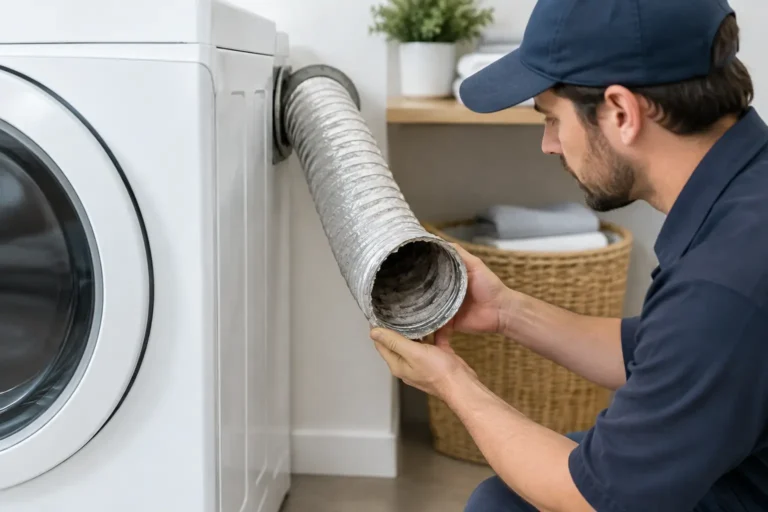
Your HVAC system relies on a clear path to deliver conditioned air through supply ducts and return it through return ducts. Over time, those pathways can collect debris. In homes with shedding pets, smokers, recent remodeling, high foot traffic, or delayed filter changes, buildup can become more noticeable.
A light layer of ordinary household dust may not create a meaningful energy problem on its own. Heavy debris, however, can reduce airflow at registers and contribute to poor system performance. When airflow is restricted, the furnace or air conditioner may cycle longer to reach the thermostat setting. That added runtime can increase energy use and put more wear on components.
The biggest potential benefit comes when duct cleaning addresses a real obstruction rather than simply cleaning ducts on a routine schedule without a clear need. A professional inspection helps determine the difference.
What Dirty Ducts Can and Cannot Do
Dirty ductwork can affect comfort and system operation, especially when debris is substantial. You might see dust blowing from vents, find rooms that never seem to reach the right temperature, or notice a stale odor when the system turns on. These signs do not automatically prove that ducts are the only issue, but they are worth investigating.
Duct cleaning can help remove accumulated dust, loose debris, pet dander, and materials left behind after construction. It may also help improve indoor cleanliness by reducing the amount of loose material that can circulate through the system.
Still, duct cleaning cannot repair leaking duct joints, a failing blower motor, an undersized HVAC unit, clogged coils, poor insulation, or an incorrect thermostat setting. Those problems can waste significantly more energy than dirty ducts. If your ducts are leaking into an attic, crawl space, or wall cavity, cleaning alone will not stop conditioned air from escaping.
That is why a good service provider should set realistic expectations. The goal is cleaner ductwork and better airflow conditions, not a promise of a specific dollar amount off your monthly bill.
When Duct Cleaning Is Most Likely to Help
Duct cleaning is most useful when there is clear evidence of buildup or contamination that could affect airflow and indoor air quality. It is also a smart step after events that introduce unusual debris into the system, such as a renovation, water damage, pest activity, or a long period of neglected maintenance.
Consider scheduling an inspection if you notice several issues at once: visible dust or debris around registers, reduced airflow in multiple rooms, excessive dust after cleaning, musty smells from vents, or filter changes that reveal unusually heavy dirt. Property managers may also benefit before tenant turnover, particularly in units with a history of pets, smoking, or construction work.
For businesses, clean ductwork can support a cleaner customer-facing environment and a more comfortable workspace. Restaurants, offices, salons, retail spaces, and rental properties often have higher occupancy and more frequent door traffic, which can introduce more dust and debris over time.
Air Filters Matter Just as Much
If duct cleaning is part of the solution, air filter maintenance is what helps protect the result. A clogged filter restricts airflow before air even reaches much of the duct system. It can make equipment work harder, reduce comfort, and allow more dust to settle where it does not belong.
Check your filter regularly and replace it according to the manufacturer’s recommendation and your household conditions. Homes with pets, allergies, frequent cooking, or ongoing remodeling may need more frequent changes. Use the filter type recommended for your HVAC equipment. Choosing an overly restrictive filter without confirming compatibility can create airflow problems of its own.
Think of duct cleaning as a reset when buildup has become a concern. Consistent filter changes help keep that reset from being short-lived.
Energy Savings Often Start With the Whole System
If lower energy use is your main goal, look beyond the ducts alone. A well-maintained HVAC system performs best when all of its major parts are working together. The air handler, filter, evaporator coil, blower, ducts, registers, insulation, and thermostat settings all influence efficiency.
A few practical checks can help you spot problems. Make sure supply and return vents are open and not blocked by furniture or rugs. Keep the area around indoor equipment clear. Look for disconnected or damaged duct sections in accessible areas, but avoid entering tight attic or crawl-space areas if doing so is unsafe. If you see obvious gaps or crushed flexible ducts, arrange for an HVAC professional to assess them.
It also helps to pay attention to patterns. If one room is uncomfortable but the rest of the home is fine, the issue may involve a branch duct, register, insulation, or room-specific heat gain. If every room has weak airflow, a filter, blower, coil, return-air issue, or major duct restriction may be involved.
The Indoor Air Quality Benefit Is Still Valuable
Even when energy savings are modest, duct cleaning may be worthwhile for cleanliness and air quality reasons. Dust, pet hair, renovation debris, and other particles can settle in ductwork and circulate when the system runs. Families with allergies, pets, young children, or respiratory sensitivities often want to reduce avoidable dust sources inside the home.
This benefit should be viewed realistically. Duct cleaning does not make indoor air perfectly free of allergens, and it does not replace regular cleaning, humidity control, or proper HVAC maintenance. But when ducts contain visible buildup, cleaning them can be part of a broader plan for a cleaner indoor environment.
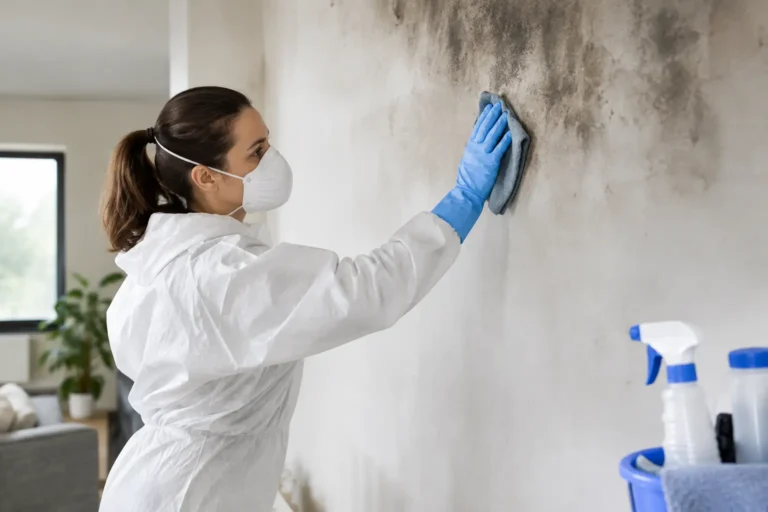
The same practical thinking applies after water damage. Moisture inside or near HVAC components should be addressed promptly. Cleaning may be needed, but the source of moisture must also be corrected to prevent recurring problems.
What Professional Duct Cleaning Should Include
A professional service should be thorough, careful, and clear about the work being performed. Technicians should inspect accessible duct components, use appropriate equipment to remove loose debris, and protect your home or business during the process. They should also explain any concerns they see, such as damaged ducts, signs of moisture, or unusually heavy buildup.
Be cautious of offers that promise dramatic energy savings without inspecting your system or that quote an unusually low price before adding unexpected charges onsite. Reliable service starts with clear communication, straightforward pricing, and a realistic explanation of expected results.
For homeowners and businesses across Maryland, Washington, DC, and Northern Virginia, DMV Dream Clean provides professional duct cleaning with a focus on cleaner air, safer property care, and a smoother service experience. A free quote can help you understand what your system needs without guessing.
A Better Way to Decide
The right question is not only whether duct cleaning saves energy. It is whether your ductwork has enough buildup to interfere with airflow, comfort, or indoor cleanliness. If the answer is yes, cleaning can help your HVAC system operate under better conditions. If the ductwork is already relatively clean, your next energy-saving step may be filter replacement, HVAC maintenance, duct sealing, or insulation improvements instead.
If you are seeing dust at vents, dealing with uneven temperatures, or questioning why your system seems to run nonstop, arrange a professional assessment. A clear look at the problem can help you spend money on the solution that makes the most sense for your property.