A wet carpet can go from annoying to expensive in less time than most people expect. If you are looking up how to dry wet carpet, speed matters more than perfection at first. The goal is to remove water fast, protect the padding and subfloor, and lower the chance of mold, odor, and long-term damage.
Not every wet carpet can be saved, and not every spill is the same. A small clean-water leak from a tipped plant tray is very different from a soaked basement after heavy rain or a backup involving contaminated water. Knowing that difference early can save time, money, and a lot of frustration.
How to Dry Wet Carpet the Right Way
Start by stopping the source of water if it is still active. Shut off the water line, address the leak, or block additional moisture from getting in. Drying a carpet while water is still entering the room wastes time and can spread damage deeper into the floor system.
Next, clear the area as much as possible. Move lightweight furniture, floor lamps, baskets, and anything else sitting on the carpet. If furniture legs must stay in place temporarily, place foil or plastic blocks underneath them so moisture does not transfer into the wood or metal and stain the carpet.
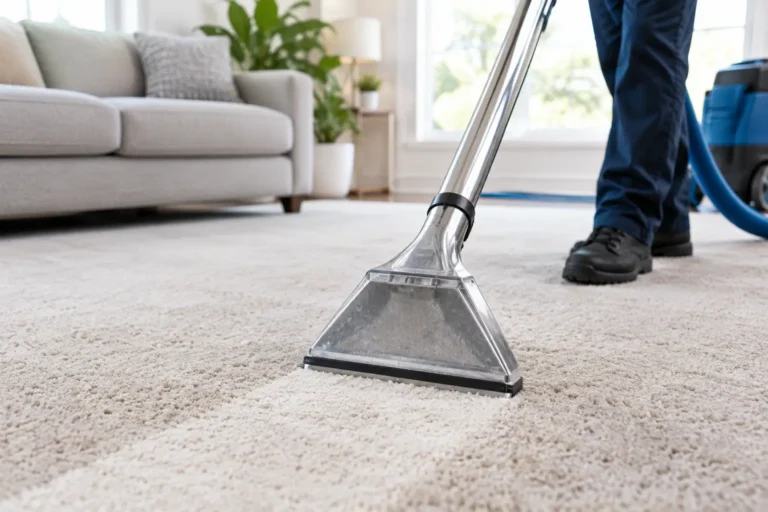
Then remove as much standing water as you can. For a lightly wet carpet, thick towels and firm pressure may help. For a larger affected area, a wet/dry vacuum is the better option. Go slowly and make several passes. The carpet fibers may feel less wet after one round, but the padding underneath can still hold a surprising amount of water.
If the carpet is soaked through, pull up a corner and check the pad. This step tells you a lot. Surface moisture can often be handled with extraction and airflow, but saturated padding dries much more slowly. In many cases, especially after a major leak, the pad may need to be removed and replaced. That is one of the biggest it-depends moments in carpet drying. Saving the carpet itself is often possible. Saving the pad is less certain.
The Drying Process That Works Fastest
Once you have extracted as much water as possible, focus on airflow, humidity control, and temperature. Drying is not just about blowing air across the top of the carpet. You need to move moisture out of the fibers, out of the pad, and out of the room.
Set up fans to blow across the wet area, not just straight down at one spot. If you have ceiling fans, turn them on too. Open windows only if the outdoor air is drier than the air inside. In the DMV area, humid weather can work against you, so open windows with caution. On a muggy summer day, a dehumidifier is usually more useful than outdoor ventilation.
Run a dehumidifier continuously if you have one. This matters because water removed from the carpet has to go somewhere. Without humidity control, that moisture hangs in the air and slows the entire process. Empty the unit as needed or connect a hose for continuous drainage.
If your HVAC system is working properly, keep the air moving. Air conditioning can help reduce humidity, but it should not be your only drying method for a heavily soaked carpet. For more serious water exposure, professional air movers and commercial dehumidifiers are much more effective.
Lift the carpet if necessary. When water has spread widely underneath, professionals often lift sections of carpet and direct airflow under the surface. This helps dry the backing and subfloor instead of trapping moisture below. It is not always a DIY-friendly step, especially if you are dealing with wall-to-wall carpet stretched onto tack strips. Done incorrectly, it can damage the carpet or make reinstallation harder.
How Long Does It Take to Dry a Wet Carpet?
A slightly damp carpet from a minor spill may dry within several hours. A carpet soaked by a leak or overflow can take 24 to 72 hours or longer, depending on the amount of water, room humidity, airflow, and whether the padding is wet.
That timeline is exactly why quick action matters. Mold growth can begin within 24 to 48 hours in the right conditions. Even before mold becomes visible, you may notice a musty smell, heavier indoor humidity, or a stale odor that lingers after the carpet feels dry on top.
The top layer can be misleading. A carpet may seem fine under your hand while the pad and subfloor are still holding moisture. If the affected area was more than a small spot, checking underneath is the safer move.
When You Should Not Try to Save It Alone
There are situations where drying the carpet yourself is reasonable, and others where professional help is the smarter and safer choice.
If the water came from a clean source and the wet area is small, quick extraction and drying may be enough. But if the carpet was soaked by stormwater, sewage backup, toilet overflow involving waste, or any source of contaminated water, replacement is often necessary. This is not just about smell. It is about health risk.
You should also be cautious if water reached the carpet more than a day or two ago and the area still smells musty, feels cool and damp, or shows discoloration. At that point, drying alone may not solve the problem. Hidden moisture and microbial growth can remain below the surface.
The same goes for large commercial spaces, multi-room flooding, or carpets installed over wood subfloors that can warp or trap moisture. In those cases, a professional water damage restoration team can test moisture levels, extract water more thoroughly, and dry the structure beneath the carpet instead of guessing.
Common Mistakes When Trying to Dry Wet Carpet
One of the most common mistakes is waiting too long. People often assume the carpet will air-dry on its own, especially if the room is warm. Sometimes the surface does dry, but the trapped moisture underneath leads to odors, staining, or mold later.
Another mistake is using only a household fan without extraction. Fans are useful, but they work best after as much water as possible has been removed. Blowing air over a saturated carpet without pulling water out first can just raise humidity indoors.
Using a standard vacuum is also a bad idea. It is not designed for water and can be unsafe. A wet/dry vacuum is the correct tool for water removal.
Some people shampoo the carpet right away because they want it to smell fresh. That usually adds more moisture at the worst possible time. Dry first. Clean after the carpet and padding are truly dry or after a professional evaluates the condition.
How to Tell if the Carpet Is Fully Dry
Dry to the touch is not the same as fully dry. Check several spots, especially near walls and corners where airflow is weaker. Press down with a clean towel. If it picks up moisture, keep drying.
Lift a corner if possible and inspect the backing and pad. The underside should feel dry, not cool or damp. Pay attention to smell as well. A persistent musty odor usually means moisture is still present somewhere.
For property managers and business owners, moisture meters offer a more reliable answer, especially in larger spaces. Professionals use them to confirm when carpet, pad, and subfloor have actually dried to acceptable levels.
Protecting Indoor Air Quality After Carpet Gets Wet
Wet carpet is not only a flooring issue. It can affect indoor air quality fast, especially in homes with kids, pets, allergy concerns, or limited ventilation. Damp materials can hold odors, support mold growth, and make the space feel stale even after the visible water is gone.
That is why full drying matters more than appearance. A room that looks normal but still holds hidden moisture can continue causing problems. If you notice lingering odor, recurring dampness, or signs that the carpet pad stayed wet, it is worth having the area professionally assessed. Companies like DMV Dream Clean handle water damage situations with the drying equipment and experience needed to protect both the carpet and the overall condition of the property.
If you act quickly, many wet carpet situations can be managed before they turn into bigger repairs. The key is to move fast, dry deeply, and take any sign of trapped moisture seriously. A few hours of the right response now can save you from much larger flooring and air quality issues later.