A fresh accident on the living room carpet is one problem. Finding a dried spot days later, along with an odor that returns whenever the room gets warm or humid, is another. Pet stains need fast, careful treatment because what you can see on the surface is often only part of the issue. Urine can travel into carpet backing, padding, upholstery filling, and even the subfloor beneath.
The right response protects your carpet, helps control odor, and reduces the chance that your pet returns to the same area. The wrong response can push moisture deeper, set the stain with heat, or leave behind residues that attract more dirt.
What Makes Pet Stains So Difficult to Remove?
Most pet-related cleaning problems involve urine, but feces, vomit, muddy paws, and oily fur can also leave noticeable marks and odors. Urine is especially challenging because it contains compounds that may remain after the visible moisture has dried. As the area is exposed to humidity, those deposits can reactivate and produce odor again.
Carpet fibers also hide the full size of the problem. A small spot at the surface may have spread wider underneath, particularly on thick carpet or heavily padded flooring. Upholstered furniture creates a similar challenge because liquid can move into cushions, batting, and the fabric backing.
That is why a strong fragrance is not the same as a clean result. Air fresheners may cover an odor briefly, but they do not remove the source. Effective cleaning needs to address the affected material, not just the top layer.
What to Do Immediately After an Accident
Speed matters, but scrubbing does not help. Start by blotting the area with clean white towels or paper towels. Press down firmly to absorb moisture, replacing the towels as they become wet. Avoid rubbing back and forth, which can spread the stain and work it farther into the fibers.
Once you have removed as much moisture as possible, apply a pet-safe enzyme cleaner according to its label directions. These products are designed to break down odor-causing organic material. Give the cleaner enough contact time to work. Wiping it away too quickly often leaves the deeper source untouched.
Use only enough solution to treat the affected area. Flooding carpet or upholstery with water can create a new problem by soaking the pad or cushion filling. After treatment, allow the area to air-dry thoroughly. Good airflow from an open window or a fan can help, as long as you are not applying high heat directly to the spot.
Common Mistakes That Can Make Pet Stains Worse
Home remedies can be useful in limited situations, but carpet type, fabric color, stain age, and the amount of moisture involved all matter. Before applying any cleaner, test it in an inconspicuous area and follow the manufacturer’s care instructions.
One frequent mistake is using a steam cleaner or very hot water on urine before the odor source has been fully treated. Heat can make odor problems more difficult to resolve and may affect certain fibers or dyes. Another is overusing soap or shampoo. A soapy residue can attract soil, leaving the cleaned area looking dingy sooner than expected.
Bleach is also a poor choice for most carpets, rugs, and upholstery. It can permanently remove color, weaken fibers, and create unsafe fumes if it comes into contact with other cleaning products. Never mix cleaners, especially products containing bleach, ammonia, or strong acids.
Finally, do not assume the stain is gone because the carpet looks dry and clean. If the odor returns or your pet keeps revisiting the spot, there is likely residue below the surface or in an adjacent area that was missed.
How to Treat Dried Pet Stains
Older pet stains require more patience because they may have already bonded to the fibers and traveled beneath them. Begin by locating the full affected area. In some cases, a UV light can reveal urine deposits that are not visible in normal lighting. It is not perfect, but it can help identify areas that need closer attention.
Vacuum the dry area first to remove loose debris. Then apply an appropriate enzyme-based cleaner generously enough to reach the same depth as the original accident, without soaking the entire room. This is the balance that makes DIY treatment difficult: too little cleaner may only treat the surface, while too much moisture can affect the carpet pad.
Allow the product to dwell as directed, then blot excess moisture and let the area dry completely. You may need a second treatment for a long-standing spot. If the stain has changed the carpet color, cleaning can remove residue and odor but cannot always restore the original dye. In that situation, repair, dye correction, or replacement may be the better option.
Carpet, Rugs, and Upholstery Need Different Care
Wall-to-wall carpet is often more forgiving than a delicate rug or upholstered chair, but it can hide contamination in the backing and pad. Area rugs may contain natural fibers, unstable dyes, or delicate construction that should not be heavily saturated. Upholstery can have cleaning codes that limit which products are safe to use.
For these reasons, treat a pet stain on a wool rug, silk-blend fabric, antique textile, or valuable upholstered item with extra caution. Aggressive scrubbing and store-bought spot treatments can cause permanent texture changes, color bleeding, or water rings. Professional evaluation is often the safer choice when the material is delicate or the item has sentimental or financial value.
When Professional Pet Stain Removal Is Worth It
Professional cleaning is a practical next step when odor persists after home treatment, stains keep returning, or several accidents have occurred in the same room. It is also helpful for move-out cleaning, rental turnovers, homes with multiple pets, and commercial spaces where appearance and odor affect residents, employees, or customers.
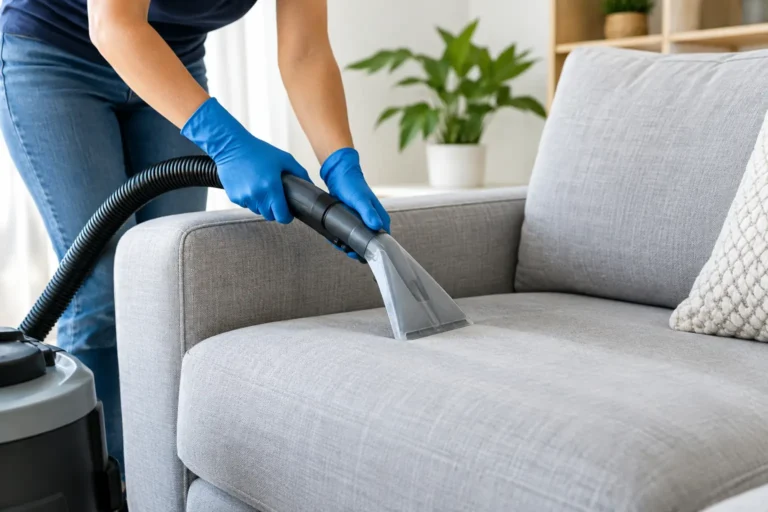
Experienced technicians can inspect the carpet and upholstery, identify the likely extent of contamination, and choose cleaning methods based on the material and condition. Deep extraction can remove embedded soil and residues, while targeted odor treatment may be needed for affected areas. If urine has reached padding or subflooring, the technician can explain what level of restoration is realistic and whether additional work is necessary.
At DMV Dream Clean, the goal is not to simply make a room smell stronger. It is to help restore a cleaner, more comfortable space with a treatment plan that fits the carpet, upholstery, or rug involved. A clear assessment before cleaning helps set the right expectations, especially with old stains or heavy contamination.
Keeping Pets From Returning to the Same Spot
Pets often revisit areas because they can still detect odor even when people cannot. Thorough cleaning is the first step, followed by making the location less inviting while you reinforce good habits. Keep the area blocked temporarily if possible, maintain a consistent outdoor or litter-box routine, and clean accidents promptly.
If accidents are sudden, frequent, or unusual for your pet, contact your veterinarian. Changes in behavior can sometimes be connected to stress, aging, diet, or a medical concern. Cleaning the affected surfaces matters, but identifying the reason behind repeated accidents can prevent a larger carpet problem later.
A pet-friendly home does not have to mean living with lingering odors or permanent-looking carpet spots. Address fresh accidents carefully, avoid heat and harsh chemicals, and bring in professional help when the stain has moved beyond the surface. Acting before residue settles deeper can protect the comfort, appearance, and value of your space.