A room can look freshly cleaned and still hold indoor air pollutants that affect comfort, odors, and air quality. Dust settles behind furniture, pet dander gathers in upholstery, moisture feeds hidden mold, and everyday activities add particles and chemicals to the air you breathe. For homeowners, renters, property managers, and business owners, the goal is not to create a perfectly sterile building. It is to reduce the sources that can build up over time and make your space feel less clean, less comfortable, or harder to maintain.
What Are Indoor Air Pollutants?
Indoor air pollutants are particles, gases, and biological contaminants found inside homes, apartments, offices, and other enclosed spaces. Some enter from outdoors through open doors, windows, and ventilation systems. Others begin inside the building through cooking, cleaning products, smoke, pets, building materials, water damage, and poorly maintained HVAC equipment.
The amount of exposure depends on the property, the people using it, and how air moves through the space. A busy family home with pets may deal with more hair and dander. A restaurant, salon, office, or retail space may have different concerns related to foot traffic, odors, cleaning chemicals, and ventilation. Older properties can have accumulated dust in ducts, carpets, and hidden areas that are rarely reached during routine cleaning.
Not every odor or dusty surface means there is a serious air-quality problem. Still, recurring symptoms, musty smells, visible debris around vents, or dust that returns quickly can be useful signals that it is time to look closer.
Common Sources of Indoor Air Pollutants
Many air-quality concerns come from ordinary routines rather than one obvious event. Knowing where contaminants collect makes it easier to prioritize cleaning and maintenance.
Dust, Dander, and Allergens
Dust is more than dirt tracked in from outside. It can include skin flakes, pollen, fabric fibers, insect debris, soil particles, and pet dander. Carpets, rugs, mattresses, drapery, upholstered furniture, and HVAC filters can all trap these materials.
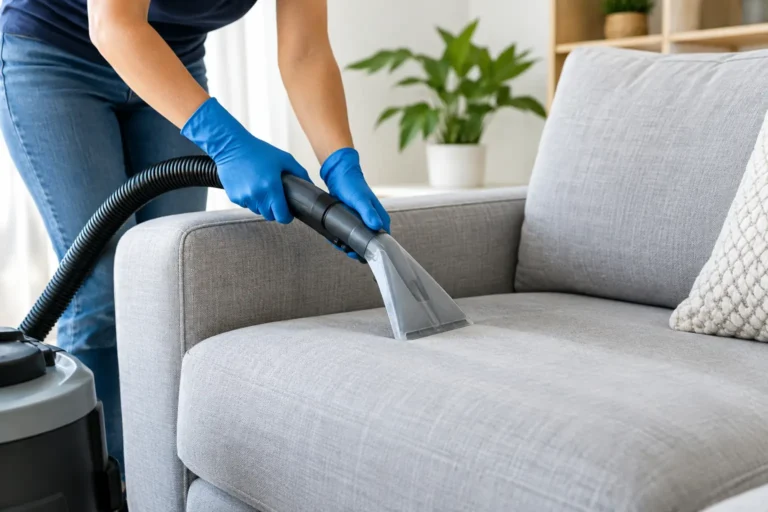
Vacuuming and surface cleaning help, but they may not remove buildup that has worked deep into carpet fibers or upholstery. This is especially true in high-traffic rooms, pet areas, bedrooms, waiting rooms, and furnished rental properties. Professional deep cleaning can remove embedded soil and allergens while improving the appearance of the materials themselves.
HVAC Ducts and Dirty Filters
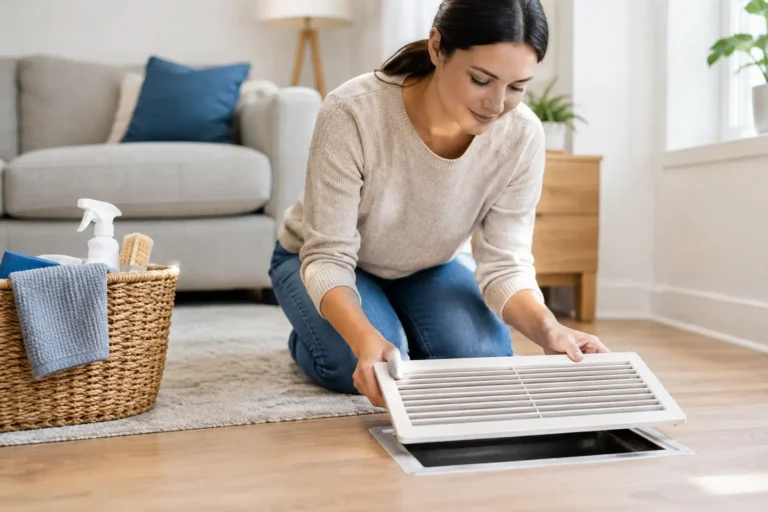
Your HVAC system moves air throughout the property. When ducts, vents, return grilles, and filters collect dust, that buildup can circulate whenever the system runs. You may notice more dust near supply vents, uneven airflow, stale odors, or a need to dust more often than usual.
Duct cleaning is not a substitute for fixing moisture problems, replacing filters, or repairing damaged equipment. It can, however, be a practical part of property maintenance when ducts contain visible debris, have been affected by construction dust, or have not been cleaned for years. A clean system also supports better airflow and can help keep living and work areas easier to maintain.
Moisture, Mold, and Water Damage
Water is one of the most urgent contributors to indoor air concerns. A leaking pipe, overflowing appliance, roof leak, or flooded basement can leave moisture behind walls, under flooring, or inside carpeting. If materials stay wet too long, mold growth and musty odors can follow.
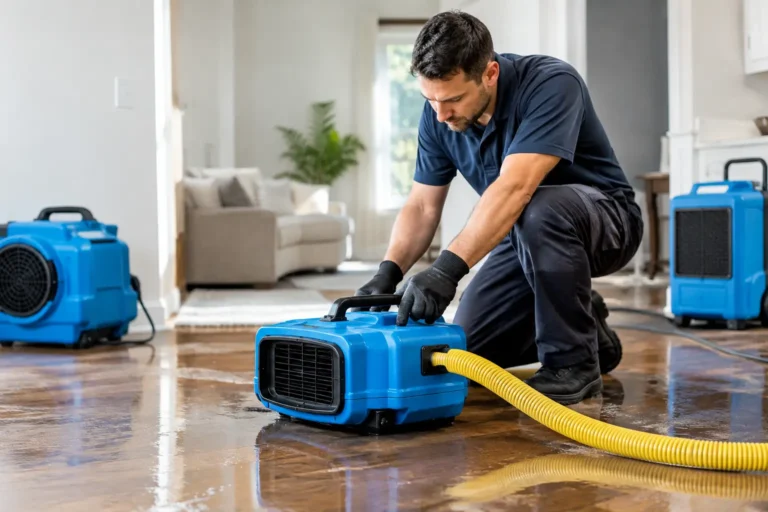
The right response depends on the extent of the damage. A small, quickly dried spill is different from water that has soaked drywall, padding, insulation, or wood flooring. Prompt water damage restoration focuses on removing water, drying affected materials, cleaning the area, and identifying conditions that could allow odors or microbial growth to continue.
Smoke, Soot, and Combustion Byproducts
Fireplaces, gas appliances, candles, tobacco smoke, and cooking can add fine particles and odors indoors. Chimneys that are not cleaned and inspected may develop soot and creosote buildup, which is also a fire-safety concern. Dryer vents deserve similar attention because lint buildup can restrict airflow and increase the risk of overheating.
These services address different systems, but they share a practical purpose: reduce buildup, improve function, and help protect the property. If you smell smoke when a fireplace is not in use, see soot around a vent or hearth, or notice that clothes take longer to dry, do not ignore the warning signs.
Chemical Odors and Volatile Compounds
Paints, air fresheners, cleaning products, new furniture, flooring, and adhesives can release gases known as volatile organic compounds, or VOCs. The effects vary by product, amount used, ventilation, and individual sensitivity. Strong fragrances can also be uncomfortable for guests, employees, children, or anyone with respiratory sensitivities.
Use products according to their labels, avoid mixing cleaners, and provide fresh air when possible. More product does not always mean better cleaning. For routine care, choose appropriate products and use the amount needed for the task. If odors continue long after a project is complete, inspect for hidden moisture, trapped debris, or an overlooked source rather than trying to cover the smell with fragrance.
Signs Your Property May Need Attention
Indoor air quality problems are not always visible. A few practical signs deserve attention, particularly when they repeat over time:
- Dust reappears quickly after cleaning, especially around vents and return grilles.
- Rooms have a musty, stale, smoky, or persistent chemical odor.
- Carpets, upholstery, or mattresses hold visible stains, pet hair, or lingering odors.
- Allergy-like discomfort seems worse indoors or in specific rooms.
- There has been a leak, flood, plumbing issue, or unexplained moisture.
- Dryer cycles take longer, the laundry area feels unusually warm, or lint is visible around the exterior vent.
These signs do not diagnose a specific pollutant on their own. They do provide a reason to address cleaning, ventilation, and moisture control before a minor maintenance issue becomes a larger one.
Practical Ways to Reduce Indoor Air Pollutants
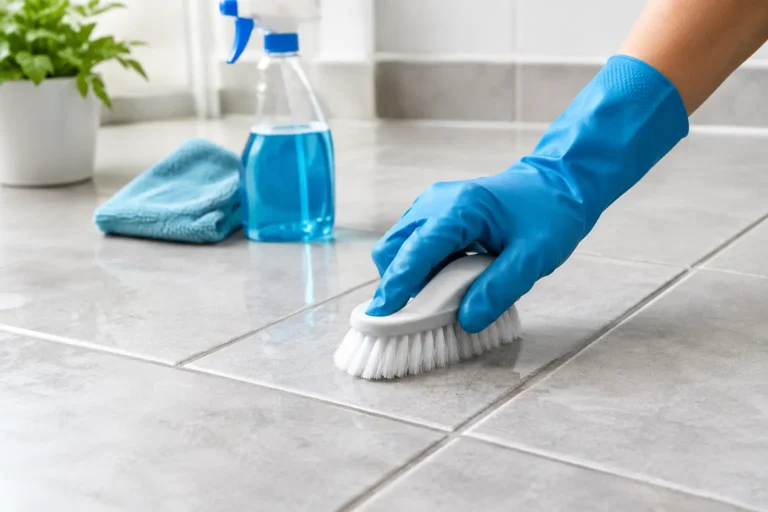
The most effective approach is consistent maintenance. Start with the sources you can control: replace HVAC filters on schedule, vacuum carpets and rugs with a well-maintained vacuum, clean hard surfaces with appropriate products, and wash bedding regularly. Keep pet areas clean, use kitchen exhaust when cooking, and make sure bathrooms have working ventilation.
Pay attention to humidity as well. Moisture control matters in basements, bathrooms, laundry rooms, and properties with a history of leaks. Repair plumbing issues promptly, dry wet materials quickly, and avoid placing furniture directly against damp exterior walls when possible.
For deeper buildup, professional service can make a noticeable difference. Carpet, rug, upholstery, mattress, and drapery cleaning target materials that hold dust and odors beyond daily surface care. Air duct cleaning addresses debris in the HVAC pathway. Dryer vent cleaning and chimney sweeping support safer operation while reducing lint, soot, and related buildup.
The right service schedule depends on the property. A household with multiple pets, young children, allergies, or heavy foot traffic may benefit from more frequent deep cleaning. A commercial property may need maintenance scheduled around customer traffic, tenant turnover, or seasonal use. After renovation work, water damage, or a long vacancy, a more thorough cleaning plan may be appropriate.
When Professional Help Makes Sense
Professional cleaning is most valuable when there is a clear source of buildup, an ongoing odor, heavy use, or a maintenance issue that routine cleaning cannot reach. Experienced technicians can evaluate affected materials, use equipment designed for deep removal, and recommend services based on what the property actually needs.
For example, cleaning a stained carpet may improve both appearance and trapped debris, but it will not solve a damp subfloor or leaking pipe. Duct cleaning can remove accumulated dust, but it will not correct a failing HVAC unit. Good service starts with identifying the source, not treating every problem as the same.
A cleaner indoor environment is built through small, regular steps and prompt action when something changes. If your home or business has persistent odors, visible buildup, overdue ducts or vents, or recent water damage, DMV Dream Clean can help you choose a practical service plan that supports cleaner air, safer systems, and a property that feels cared for.