A musty odor after a leak is not something to cover with air freshener and forget. It can be an early sign that moisture has reached materials behind a wall, under flooring, or inside another hidden area. Mold remediation is the process of safely addressing active mold growth while correcting the moisture problem that allowed it to develop in the first place.
For homeowners, renters, property managers, and business owners, the goal is not simply to make a stained surface look cleaner. The goal is to protect the building, reduce the chance of the problem returning, and restore confidence in the space. The right response depends on the size of the affected area, the materials involved, and whether the moisture source is truly under control.
Mold Remediation Starts With the Moisture Source
Mold needs moisture to grow. A plumbing leak, roof issue, flooded basement, overflowing appliance, humid crawl space, or poorly dried water damage can create the conditions it needs. Cleaning visible mold without fixing that condition may improve the appearance temporarily, but it does not solve the property problem.
That is why a proper evaluation begins with the cause. A technician should look for signs of ongoing water intrusion, elevated humidity, condensation around HVAC components, damp drywall, wet insulation, or flooring that has not dried completely. In many cases, the visible spot is only part of the affected area.
For example, a small patch beneath a bathroom vanity may come from a loose supply line. If the cabinet base, wallboard, or adjacent flooring stayed wet for days, the remediation plan may need to address more than the surface under the sink. The same is true after a basement flood. The water may be gone, while moisture remains trapped in carpet padding, baseboards, drywall, and framing.
Fast action matters. Materials that dry quickly are often easier to save. Materials that remain wet or are heavily contaminated may need to be removed to allow the area to be cleaned and dried correctly. The trade-off is straightforward: a more thorough response can feel disruptive at first, but leaving damaged materials in place can lead to repeat odors, visible growth, and additional repairs later.
When a Mold Problem Needs Professional Help
Not every discolored spot requires a major restoration project. A small amount of surface mildew in a well-ventilated shower, for instance, may be manageable with routine cleaning and better ventilation. But property owners should be cautious when growth returns, the source is unknown, or moisture has affected porous building materials.
Professional help is especially appropriate when mold follows a water loss, appears across a large area, is located inside walls or ceilings, affects HVAC components, or is connected to sewage or contaminated water. It is also a smart choice when occupants report persistent musty smells or when the property includes people who are especially sensitive to poor indoor air quality.
Do not rely on color alone to judge severity. Mold can be black, green, gray, white, or nearly invisible. The more useful questions are where it is growing, how much area is affected, how long materials have been wet, and whether the moisture source has been repaired.
For commercial properties, timely action can protect more than the building. A problem in a restroom, break room, storage area, or tenant suite can disrupt operations and create concerns for employees, customers, and visitors. Property managers benefit from clear documentation, prompt communication, and a scope of work that distinguishes between cleaning, removal, drying, and repairs.
What Professional Mold Remediation Includes
A dependable remediation process should be organized around containment, removal or cleaning, drying, and verification of the work area. The exact steps vary by property, but the process should never be limited to spraying a chemical over visible growth.
First, the affected area is assessed to identify damaged materials and possible moisture pathways. This may include checking nearby walls, floors, ceilings, cabinets, and HVAC areas. If a water event is recent or ongoing, water damage restoration and drying are often the first priorities.
Next, the work area may be contained to help limit the spread of dust and spores during removal. Containment can range from careful work practices for small, isolated areas to more controlled barriers and air management for larger projects. The level of containment should match the condition, not be treated as a one-size-fits-all add-on.
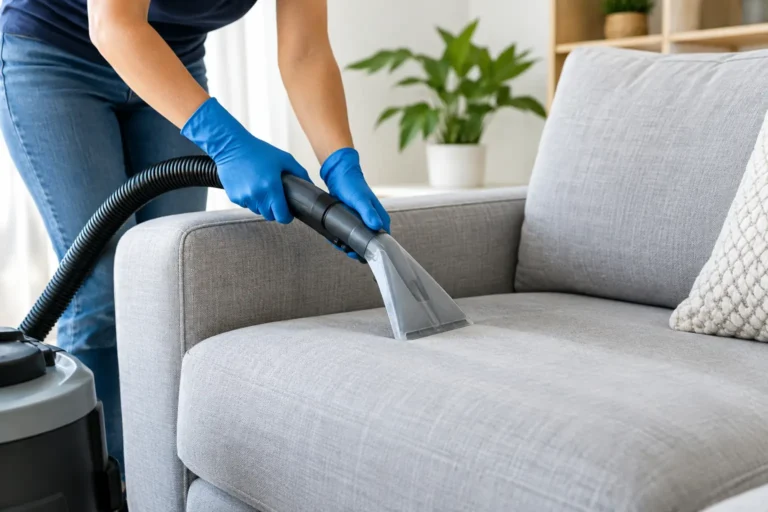
Nonporous materials can often be cleaned when they are structurally sound. Porous items, such as wet drywall, insulation, carpet padding, particleboard, or heavily affected fabrics, may require removal. This is one of the most important decisions in the process. Trying to save every material can appear less expensive upfront, but it may leave behind dampness or contamination that continues to cause problems.
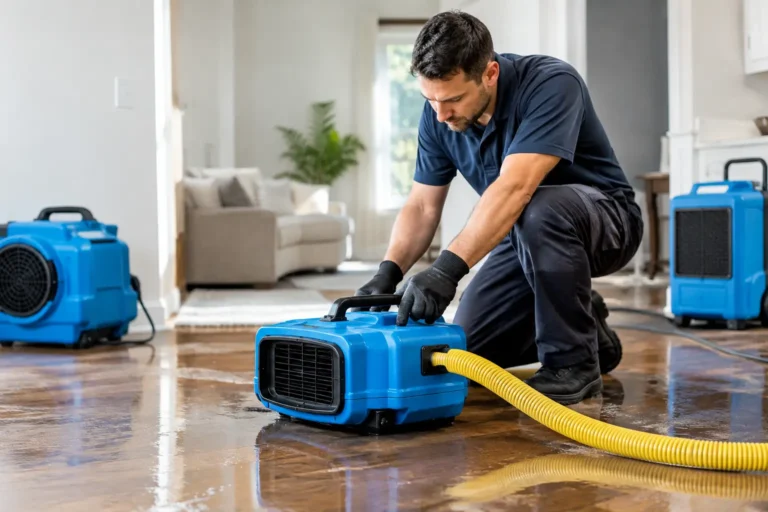
After affected materials are addressed, the area must be dried thoroughly. Professional drying equipment and moisture monitoring help confirm that building materials are returning to an appropriate condition. Odor control may also be needed, but it should follow source removal and drying, not replace them.
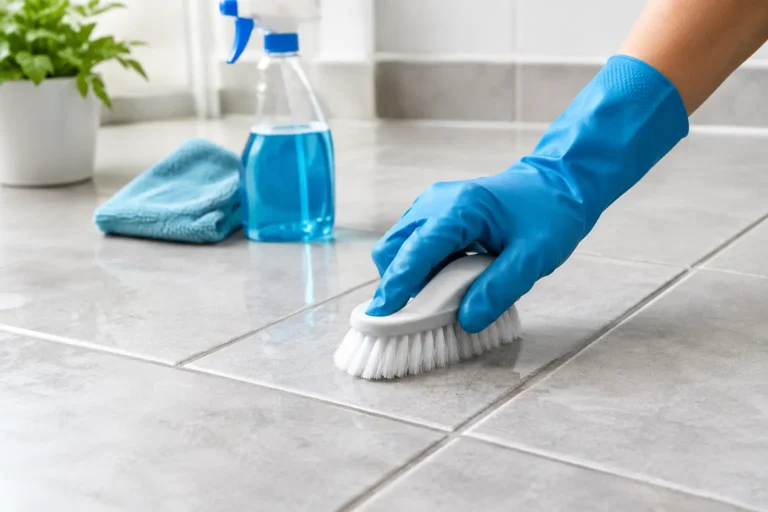
Finally, the area is cleaned and prepared for repairs. Depending on the scope, that may mean replacing drywall, reinstalling trim, restoring flooring, or coordinating with the appropriate repair professional. A clear provider will explain what is included in remediation and what repair work may be separate.
What to Do Before Help Arrives
If you discover suspected mold, avoid disturbing it unnecessarily. Scrubbing a large affected area, pulling out wet drywall, or running a fan directly across visible growth can spread particles into other parts of the property. If there is an active leak, shut off the water source if it is safe to do so and contact the appropriate plumber or emergency service.
You can also take a few practical steps to protect the space. Move dry belongings away from the affected area, keep children and pets out of the work zone, and photograph visible damage for your records. If the issue involves a rental unit or commercial lease, notify the property owner or manager promptly and keep a written record of the report.
Avoid painting, caulking, or placing new flooring over a damp or mold-affected surface. Those steps can hide the evidence while trapping moisture behind finished materials. The property may look better for a short time, but the underlying issue can become more expensive to correct.
Prevention Is Part of the Property Care Plan
The best mold remediation result is one that does not need to be repeated. Once repairs and drying are complete, a few maintenance habits can reduce future risk. Use bathroom exhaust fans during and after showers, address leaks quickly, keep gutters and drainage directing water away from the structure, and watch for condensation around windows, pipes, and HVAC equipment.
Humidity control also matters, particularly in basements, crawl spaces, and other areas with limited airflow. If a room consistently feels damp or smells musty, treat it as a maintenance signal rather than a cosmetic issue. Dehumidification, ventilation improvements, insulation corrections, or drainage repairs may be appropriate depending on the cause.
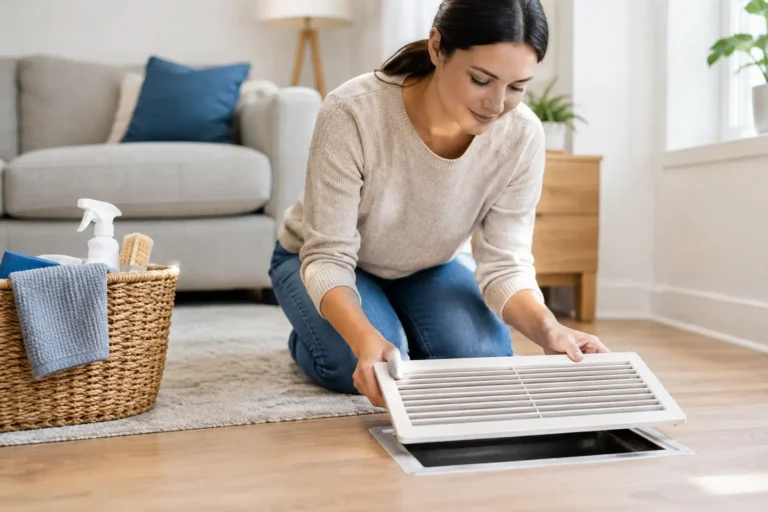
Air ducts should also be considered when they have been exposed to water damage or when there is evidence of moisture inside the HVAC system. Routine duct cleaning is not a substitute for remediation, but cleaning may be part of the recovery plan after the moisture source is resolved and affected components are evaluated.
For properties across Maryland, Washington, DC, and Northern Virginia, seasonal storms, humid summers, aging plumbing, and basement moisture can all create avoidable risks. DMV Dream Clean helps property owners respond to water damage and indoor cleaning concerns with clear communication, experienced service, and practical next steps.
If you notice a recurring odor, new staining, warped materials, or visible growth after a leak, trust that signal. A prompt assessment can turn a hidden moisture problem into a manageable repair before it has more time to affect your property.