Water can travel behind baseboards, beneath flooring, and into wall cavities long before a room looks seriously damaged. That is why understanding water restoration versus reconstruction matters after a leak, burst pipe, appliance failure, or flood. One service focuses on stopping damage and returning materials to a safe, dry condition. The other repairs or replaces the parts of the property that cannot be saved.
For homeowners, renters, property managers, and business owners, knowing the difference helps set realistic expectations. It also helps you act quickly, make smarter insurance decisions, and avoid paying for repairs before hidden moisture has been properly addressed.
What Water Restoration Means
Water restoration is the immediate response to water damage. Its purpose is to remove water, dry affected materials, prevent secondary damage, and make the property safe for the next step. In many cases, fast restoration can save flooring, walls, cabinets, furnishings, and other building materials that might otherwise need replacement.
A professional restoration process often begins with an inspection. Technicians identify the source of water, the affected areas, and the type of water involved. Clean water from a supply line is handled differently from contaminated water caused by sewage, outdoor flooding, or a toilet backup. The condition of the water affects what can be cleaned and what must be removed.
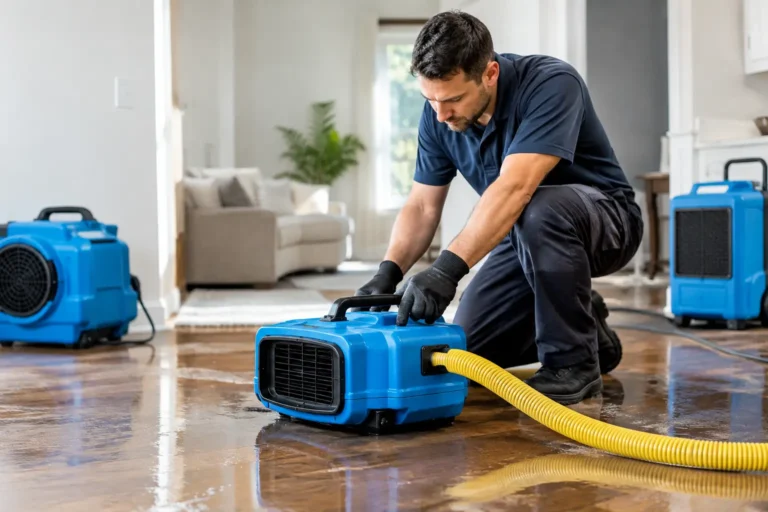
After the assessment, the work may include water extraction, moisture detection, removal of wet padding or damaged materials, antimicrobial treatment when appropriate, and controlled drying with commercial air movers and dehumidifiers. Moisture readings are taken throughout the process because a surface can feel dry while the framing, subfloor, or wall cavity remains wet.
The goal is not simply to dry what you can see. It is to control moisture before it causes warping, odors, mold growth, weakened materials, and indoor air quality concerns.
Restoration Can Include Cleaning and Salvage
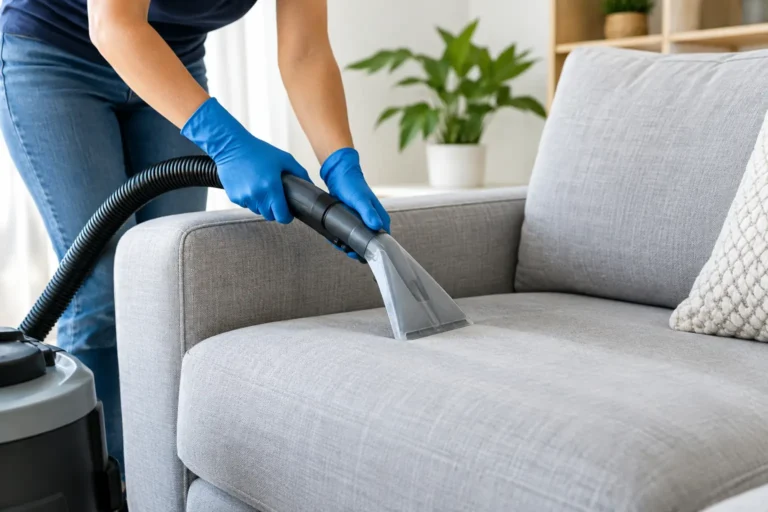
Water restoration may also involve cleaning items that can be safely recovered. Carpets, upholstery, rugs, and contents may be evaluated for cleaning, deodorizing, or specialized treatment. Whether an item can be saved depends on the water source, how long it remained wet, the material, and the extent of contamination.
For example, a clean-water leak discovered quickly may leave a carpet and pad recoverable after extraction and drying. A carpet exposed to sewage-contaminated water is a different situation and may need to be removed for health and safety reasons. The right decision is based on conditions at the property, not a one-size-fits-all rule.
What Reconstruction Means After Water Damage
Reconstruction begins when drying and cleaning are complete, but damaged building materials still need to be repaired or replaced. This is the rebuilding phase. It addresses the visible and structural finish work that returns the space to its pre-loss appearance and function.
Common reconstruction work includes replacing drywall, installing insulation, repairing subfloors, replacing flooring, rebuilding cabinets, repainting walls, reinstalling trim, and repairing sections of ceilings. More extensive losses may require framing repairs, electrical work, plumbing repairs, or rebuilding portions of a bathroom, kitchen, office, or commercial suite.
Reconstruction is not a substitute for restoration. Installing new flooring over a damp subfloor or closing a wall before the cavity is dry can trap moisture inside the structure. That can lead to mold, material failure, odors, and more expensive repairs later. Drying and documentation should come first, then rebuilding.
Reconstruction Is Often More Visible, but Restoration Is Just as Critical
People naturally focus on the reconstruction stage because it is where the room begins to look normal again. Fresh drywall, paint, and flooring provide a visible result. But restoration is what protects the property behind those finished surfaces.
A properly managed water loss follows a logical order: stop the water source, assess the damage, extract water, dry and monitor affected materials, remove unsalvageable materials, and then rebuild. Skipping steps to get a room put back together faster can create problems that stay hidden until mold appears or flooring begins to buckle.
Water Restoration Versus Reconstruction: The Main Difference
The clearest distinction is timing and purpose. Water restoration is emergency mitigation and material recovery. Reconstruction is repair and replacement after mitigation is complete.
Restoration is usually time-sensitive. The sooner standing water is removed and damp materials are dried, the greater the chance of limiting damage. Reconstruction may begin only after the property is dry, the scope of repair is clear, and any necessary approvals or insurance decisions have been addressed.
The services can overlap in a larger project, but they require different work. Restoration relies on moisture control, contamination awareness, specialized drying equipment, and careful monitoring. Reconstruction relies on skilled repair work, material selection, scheduling, and attention to the appearance and function of the finished space.
How to Tell Which Service You Need
Many water losses require restoration first and reconstruction second. Still, the scope depends on the source, duration, and location of the damage.
If a small supply-line leak is caught quickly and only wets a limited area, professional extraction and drying may be enough. If water has soaked through ceilings, spread under hardwood flooring, damaged drywall, or affected built-in cabinets, some reconstruction is more likely.
Watch for signs that damage may extend beyond a simple cleanup. These include bubbling paint, soft drywall, swollen baseboards, musty odors, buckling floors, stains that continue to spread, and doors or cabinets that no longer close correctly. A room may look manageable on the surface while moisture remains inside building materials.
Commercial properties also face unique considerations. Water damage in an office, retail space, restaurant, or rental unit can interrupt operations, affect customers or tenants, and create liability concerns. A fast restoration response helps limit downtime, while a clear reconstruction plan helps return the space to usable condition with fewer surprises.
Why Waiting Can Increase the Cost
Water damage does not stay in one place. Gravity pulls it downward, while porous materials absorb it outward. A leak from an upstairs bathroom can affect the ceiling below, insulation, wall cavities, flooring, and personal belongings in the room underneath.
Waiting can turn a restoration-focused job into a reconstruction project. Materials that might have been dried and saved may become warped, delaminated, stained, or unsafe to keep. Mold can begin growing when moisture remains for too long, particularly in warm, poorly ventilated areas.
Quick action does not always mean rushing into demolition. It means getting a qualified assessment, stopping the source, documenting the loss, and beginning appropriate drying as soon as possible. The right response protects both the building and the people using it.
Questions to Ask Before Work Begins
A dependable provider should explain what they found, what needs immediate attention, and what can wait until the property is dry. Ask how moisture will be measured, which materials can be saved, whether contamination is present, and what repairs may be needed after restoration.
If you plan to file an insurance claim, keep photos, notes about when the damage was discovered, and receipts for emergency steps you take. Ask for clear documentation of the affected areas and the drying process. Good records can make conversations with adjusters, landlords, tenants, or property owners easier.
It also helps to understand who is responsible for each phase. Some companies focus only on emergency drying, while others can coordinate cleaning, restoration, and repair work. Clear communication reduces gaps between the drying crew and the rebuilding process.
Protect the Property Before It Looks Restored
A dry, healthy structure is the foundation of every successful repair. Whether your property needs water extraction and monitoring, selective material removal, or a full rebuild, the best next step is based on what happened behind the walls and under the floors – not only what is visible in the room. DMV Dream Clean can help property owners respond with practical, professional care so the path from water loss to a clean, usable space feels clear and manageable.