A dryer that takes two or three cycles to dry a normal load is more than a laundry-room annoyance. In an apartment, it can point to lint buildup inside a shared or concealed exhaust path. This apartment dryer vent cleaning example shows what a professional visit can look like, why access and communication matter, and what a cleaner vent can change for tenants and property managers.
An Apartment Dryer Vent Cleaning Example From Start to Finish
Consider a second-floor apartment where the resident reports that towels stay damp after a full drying cycle. The dryer feels unusually hot, and there is a warm, slightly musty smell near the laundry closet. The property manager has also received a higher-than-normal utility complaint from the tenant.
At first glance, the dryer itself may seem like the problem. But a technician begins by looking at the entire venting system, not just the appliance. The flexible transition duct behind the dryer, the wall connection, the hidden duct run, and the exterior termination all affect whether hot, moist air can leave the building properly.
In this example, the dryer is carefully moved away from the wall. The technician disconnects the transition duct and finds a visible layer of lint near the connection. That is only part of the issue. A proper inspection also checks whether the duct is crushed, sagging, disconnected, or made from a material that is not appropriate for dryer exhaust.
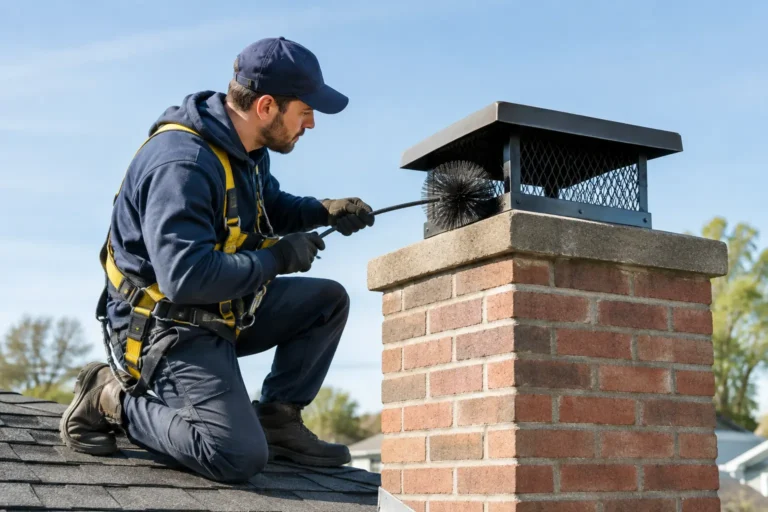
The technician then uses professional dryer vent cleaning equipment to remove lint, dust, and debris from the vent line. A rotating brush and controlled airflow help dislodge buildup along the duct without pushing it deeper into the system. At the exterior vent hood, lint is collected and the flap is checked to make sure it can open freely while the dryer runs.
Once the line is cleaned, the technician reconnects the dryer, confirms that the connection is secure, and tests airflow. The goal is simple: air should move outside efficiently, and the exterior flap should open as the dryer operates. The resident receives a clear explanation of what was found, what was cleaned, and whether any repair or follow-up is recommended.
In many cases, the result is noticeable right away. Clothing dries more evenly, the laundry area feels less humid, and the dryer does not need to run as long. That said, cleaning cannot correct every issue. If the duct is damaged, improperly routed, excessively long, or connected to a shared system with another unit, the property owner may need a qualified repair or building maintenance plan.
Why Apartment Dryer Vents Need Extra Attention
A single-family home often has a short, direct path from the dryer to an exterior wall. Apartment venting can be more complicated. The duct may travel through a wall, ceiling, utility chase, or common area before reaching the outside. Longer runs and multiple turns create more places for lint to settle.
Access is another difference. A tenant may have access to the dryer and laundry closet but not the exterior termination point. A property manager may need to arrange roof access, unlock a mechanical room, or coordinate entry with a neighboring unit. These details can affect how quickly work can be completed, but they should not be overlooked.
Older buildings can bring additional concerns. Some have outdated vent materials, restricted exterior hoods, or duct layouts that make cleaning more involved. Newer apartment communities may have designated maintenance procedures or centralized laundry systems. The right approach depends on the building, the dryer setup, and who is responsible for the ductwork.
What a Professional Service Should Check
Dryer vent cleaning is not just vacuuming lint from the screen. The lint trap should be cleaned after every load, but it cannot capture everything that enters the exhaust system. A professional appointment focuses on the path beyond the dryer.
A thorough service generally includes an inspection of the transition duct and wall connection, cleaning of the accessible vent line, removal of lint at the exterior termination, and an airflow check after the work is complete. The technician should also point out visible concerns, such as a crushed connector, loose joint, blocked hood, or signs that the dryer is venting into an enclosed space.
For apartment managers, documentation is useful. Knowing which unit was serviced, what condition was found, and whether repairs are needed helps create a practical maintenance record. This is especially valuable for turnover cleaning, preventive maintenance schedules, and responding to tenant concerns before they become larger property issues.
Signs It Is Time to Schedule Cleaning
Dryer vent buildup does not always announce itself with a dramatic failure. More often, the warning signs develop gradually. If drying times have increased, the dryer or laundry room feels hot, clothes have a burning odor, or the exterior vent flap does not open during operation, the system deserves attention.
Other signs can include lint collecting around the dryer connection, unusually humid air in the laundry area, and a dryer that shuts off before clothes are dry. These symptoms can also be related to appliance problems, so a cleaning visit is not a substitute for appliance repair when a mechanical fault is present. Still, checking the vent is a sensible first step because restricted exhaust can make a functioning dryer work much harder than it should.
Property managers may want to be proactive rather than wait for complaints. The best schedule depends on laundry volume, the length and design of the duct, and whether residents regularly clean their lint screens. A unit used by a large family or a short-term rental may need attention more often than a lightly used apartment.
Responsibilities for Tenants and Property Managers
Responsibility can vary by lease agreement and local property policies. Tenants should clean the lint screen before or after each load, avoid overloading the dryer, and report slow drying times or overheating promptly. They should not attempt to take apart concealed ductwork or access exterior vents from elevated areas.
Property owners and managers are typically in the best position to coordinate professional cleaning of the fixed vent line, especially when it passes through walls or common building areas. Before service, confirm access procedures, parking instructions, and whether the resident needs to be present. Clear communication prevents delays and helps the technician inspect the full system safely.
If multiple apartments share a laundry layout or exterior vent area, it may make sense to schedule several units at once. This can reduce disruption and help identify patterns, such as a poorly designed vent route affecting more than one residence.
Preparing for the Appointment
A little preparation makes apartment dryer vent cleaning more efficient. The resident should remove clothing from the dryer, clear items from around the laundry area, and make sure the technician can reach the appliance. If the laundry closet is tight, moving baskets, storage bins, or cleaning supplies beforehand can save time.
The property manager should provide any needed access to locked exterior areas, utility spaces, or rooftops. If the dryer is stacked, built into cabinetry, or difficult to move, mention that when scheduling. This allows the service team to plan for the setup and explain any access limitations before arriving.
DMV Dream Clean helps homeowners, renters, and property managers across the DMV address dryer vent buildup with professional service, clear communication, and practical recommendations. The focus is not only on removing lint, but also on helping customers understand the condition of the vent system and the next best step.
A clean dryer vent is one of those maintenance tasks that is easy to postpone until laundry starts taking too long. Addressing it early can help protect the appliance, improve drying performance, and give everyone in the apartment a safer, more comfortable laundry space.