A flooded office can disrupt far more than a workday. Water can damage flooring, furniture, electronics, records, inventory, and the indoor air quality your employees and visitors rely on. Effective office flood recovery starts with quick decisions, clear safety boundaries, and professional drying before moisture creates a larger problem.
Whether the water came from a burst pipe, roof leak, sprinkler discharge, overflowing restroom, or storm damage, the first hours matter. The goal is not simply to remove visible water. It is to protect people, prevent further property damage, document the loss, and return the space to a clean, safe condition.
Put Safety Before Cleanup
Do not send employees into standing water to save equipment or move furniture. Water near outlets, power strips, computers, or electrical panels can create a serious shock hazard. If it is safe to do so, shut off the water source. Then keep people out of the affected area until the space has been assessed.
The type of water also matters. Clean water from a supply line is different from water that has backed up from a drain, toilet, or sewer. Water from outside after a storm can also carry contaminants. If there is any question about sanitation, treat the area as contaminated and avoid handling soaked materials without proper protective equipment.
A practical first response includes four priorities:
- Stop the source of water if you can do so safely.
- Move people away from wet floors and electrical hazards.
- Photograph affected rooms, furniture, equipment, and visible damage.
- Contact your property manager, insurer, and a qualified water damage restoration team.
Documentation may feel secondary when water is spreading, but it can make insurance conversations and repair decisions much easier later. Take photos before items are moved, if conditions allow. Include wide shots of each room as well as close-ups of damaged materials and equipment.
Why Fast Office Flood Recovery Matters
Water does not stay in one place. It travels beneath carpet, into wall cavities, under baseboards, through ceiling tiles, and behind cabinets. A floor may look dry on the surface while the padding underneath remains saturated. That hidden moisture can weaken materials, create odors, and support mold growth.
The first 24 to 48 hours are especially important. Prompt extraction and drying can often save carpeting, furniture, and building materials that might otherwise need replacement. Delays can turn a manageable leak into a larger restoration project involving drywall removal, flooring replacement, and more extensive cleaning.
For commercial spaces, there is also the business interruption factor. A wet office may mean closed work areas, reduced staff productivity, canceled appointments, or an uncomfortable experience for clients. Fast action helps reduce downtime, but reopening too early can create another problem if damp materials and poor air quality have not been addressed.
What Professional Water Removal Should Include
A proper response is more than placing fans around the room. Professional office flood recovery begins with an inspection to identify the source, affected materials, and extent of the moisture. Moisture can be present in places that are not obvious without the right equipment.
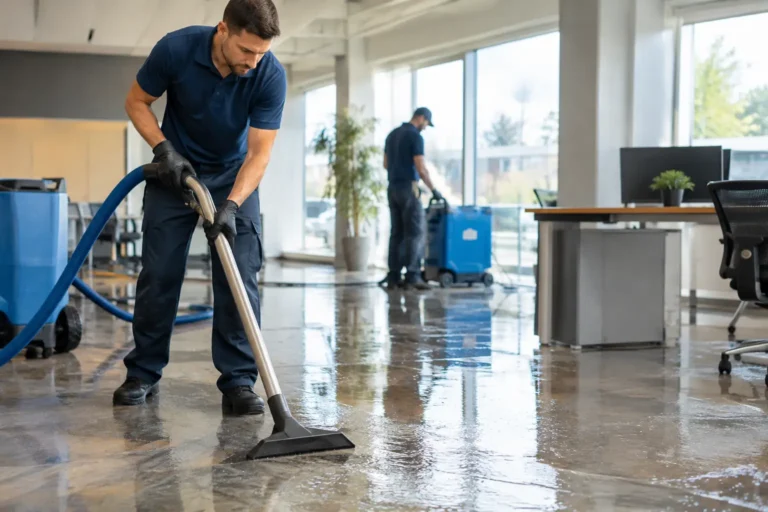
Standing water should be extracted as quickly as possible. Depending on the situation, this may involve commercial extraction equipment for carpet, hard floors, and hard-to-reach areas. Technicians can then evaluate which materials can be dried and cleaned and which ones may need to be removed for safety or structural reasons.
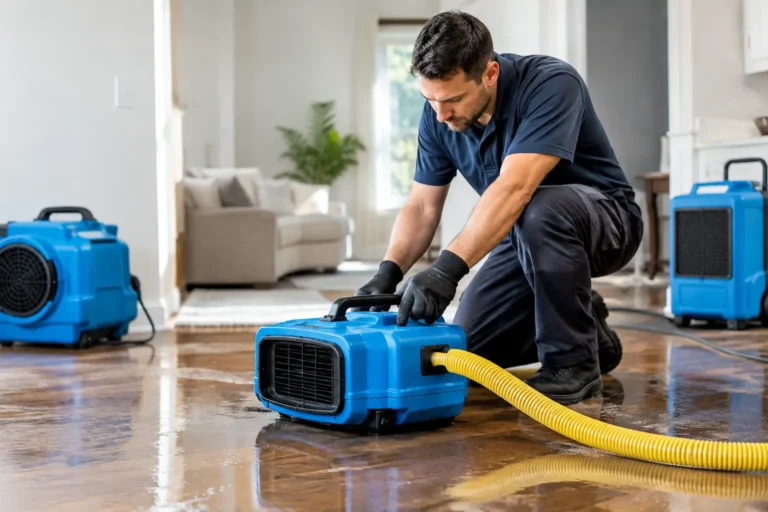
Drying equipment is selected based on the size of the area, the materials involved, and humidity conditions. Air movers help circulate air across wet surfaces, while dehumidifiers pull excess moisture from the air. The objective is controlled drying, not simply making the room feel less damp.
Monitoring is an essential part of the process. Walls, floors, carpet, padding, and other materials should be checked as they dry. This is how a restoration team confirms that hidden moisture is being addressed instead of trapped behind a clean-looking surface.
Protect Electronics, Records, and High-Value Assets
Offices often contain equipment and materials that need special handling. Computers, monitors, printers, servers, phone systems, and power supplies should not be turned on after exposure to water. Disconnect power only when it is safe, and have qualified IT or electronics professionals evaluate critical equipment before it is used again.
Paper records are another common concern. If documents are wet, separate them carefully when possible and avoid stacking them into heavy piles. Airflow can help, but contaminated water changes the situation. Important records, legal files, and customer information may require specialized recovery or secure disposal based on their condition.
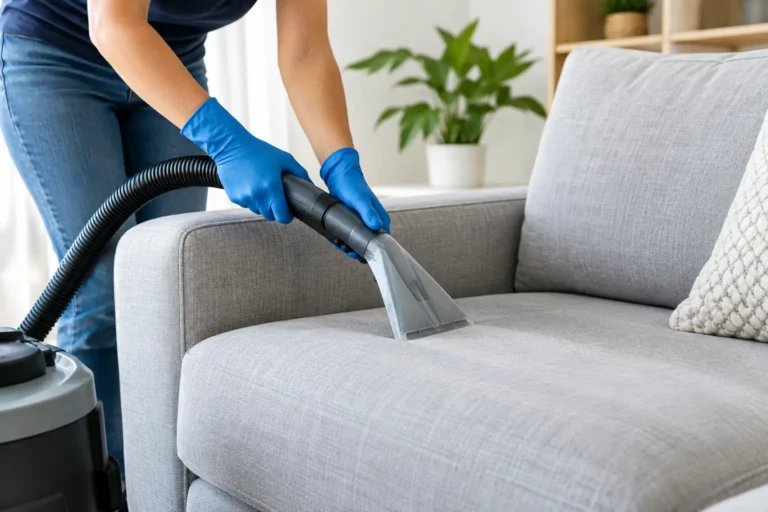
Furniture can also be misleading. A desk or chair may appear unaffected while moisture has reached the underside, fabric, padding, or wood components. Upholstered office chairs, fabric partitions, and area rugs may be cleanable after a clean-water event, but they need thorough extraction and drying. Items exposed to contaminated water may be safer to discard.
Do Not Ignore Carpet, Walls, and HVAC Systems
Carpeted offices require careful attention after flooding. Water can soak through the carpet into the pad and subfloor, where it stays hidden. In some clean-water situations, quick extraction and structural drying may save the carpet. If water sat too long, came from a contaminated source, or affected the padding and backing, replacement may be the more responsible option.
Drywall, baseboards, and insulation can also hold moisture. Swelling, staining, soft spots, peeling paint, and musty odors are warning signs, but visible damage is not the full story. A moisture inspection helps determine whether materials can dry in place or whether targeted removal is needed.
If floodwater entered HVAC components or vents, do not treat the system as normal until it has been evaluated. Running an affected system can circulate moisture, dust, and possible contaminants through the office. Once the area is stable, professional air duct cleaning may be appropriate to support cleaner indoor air before employees return.
Plan the Reopening Around Safety, Not Just Appearance
Business owners understandably want to reopen quickly. Still, a dry-looking office is not always ready for regular use. Wet flooring can remain slippery, damaged ceiling tiles may fall, and hidden dampness can create odors or mold concerns days later.
Before reopening an affected area, confirm that water has been removed, drying has been verified, electrical concerns have been addressed, and damaged materials have been cleaned or removed. Restrooms, break rooms, reception areas, and client-facing spaces deserve particular attention because they affect both health and first impressions.
Communication matters, too. Let employees know which areas are closed, what safety steps are being taken, and when they can expect normal operations to resume. Clear information reduces confusion and helps your team feel confident that their workplace is being handled responsibly.
Reduce the Risk of Another Flood
After the immediate cleanup, take time to identify what caused the incident. A leaking appliance hose, blocked drain, aging water line, roof issue, or plumbing failure can become a repeat problem if the underlying cause is not corrected.
For offices and commercial properties, preventive maintenance is usually less disruptive than emergency restoration. Inspect plumbing connections, maintain roof drainage, address slow leaks promptly, and keep mechanical rooms accessible. Property managers may also benefit from knowing where shutoff valves are located and who is responsible for after-hours response.
DMV Dream Clean helps businesses across Maryland, Washington, DC, and Northern Virginia respond to water damage with professional extraction, drying, cleaning, and practical guidance for the next steps. Every loss is different, and the right approach depends on the water source, the materials affected, and how quickly the area can be stabilized.
When water interrupts your workplace, do not wait for stains or odors to tell you the damage is getting worse. A fast, careful response gives your office the best chance to recover cleanly, protect the people inside, and get back to business with confidence.