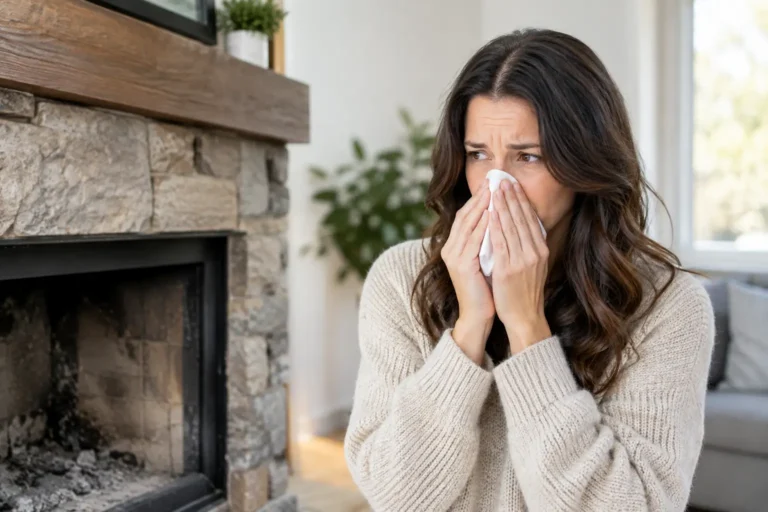
A fireplace can make a Maryland, DC, or Northern Virginia home feel warmer and more inviting, but the fine gray dust left behind is not something to ignore. Can chimney ash cause allergies? It can contribute to allergy-like symptoms and worsen existing allergies or asthma, especially when ash and soot are disturbed, tracked through the home, or allowed to build up around the fireplace.
Ash itself is not usually an allergen in the same way as pollen, pet dander, or mold. The concern is what ash carries and how its tiny particles affect the air you breathe. A clean fireplace and chimney help protect both indoor comfort and household safety.
Can Chimney Ash Cause Allergies or Similar Symptoms?
Chimney ash is made up of the non-combustible material left after wood, pellets, or other fuel burns. It can contain fine particulate matter, soot, mineral residue, and traces of chemicals from the fuel. If the chimney is dirty, the debris may also mix with dust, mold spores, animal nesting material, or creosote.
When someone sweeps out a firebox or moves ash without proper containment, lightweight particles can become airborne. Those particles may irritate the nose, throat, eyes, and lungs. For people with seasonal allergies, asthma, chronic respiratory conditions, or sensitive skin, the reaction can be more noticeable.
Symptoms that may appear after ash exposure include sneezing, coughing, watery or irritated eyes, a scratchy throat, runny nose, chest tightness, and shortness of breath. These symptoms do not automatically mean a person has a true ash allergy. They may be experiencing irritation from smoke residue and fine dust instead. Either way, repeated exposure inside a living or work space is worth addressing.
Why Fireplace Ash Can Affect Indoor Air Quality
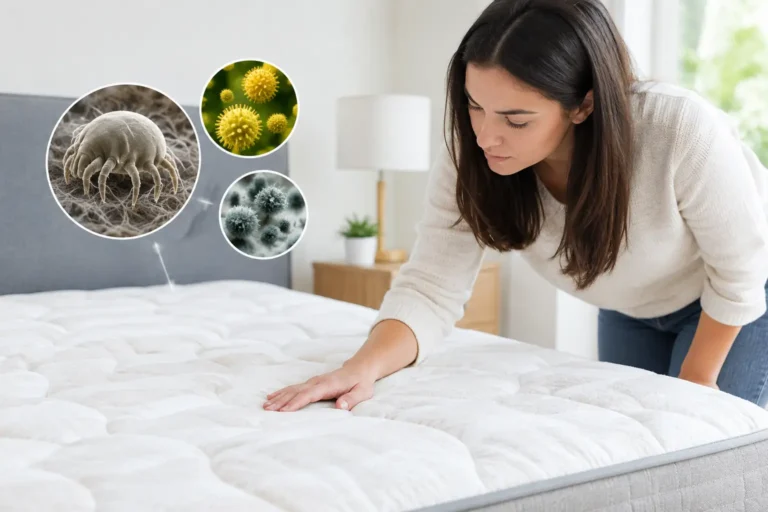
The smallest ash and soot particles are the biggest concern because they can remain suspended in the air and settle on nearby surfaces. Rugs, upholstered furniture, drapery, and HVAC filters can collect that residue over time. Each time the area is vacuumed incorrectly, walked through, or disturbed, some particles may circulate again.
A fireplace may also release more debris into the room when there is a draft problem, a damaged damper, a blocked flue, or heavy creosote buildup. If you notice a smoky smell after a fire, black residue around the hearth, visible soot on walls, or smoke backing into the room, the issue is more than a cleaning inconvenience. It may point to a chimney system that needs professional attention.
Burning the wrong materials can make the problem worse. Painted, pressure-treated, or wet wood can produce more irritating smoke and residue. Cardboard, trash, plastics, and other household materials should never be burned in a fireplace. They can release harmful compounds and create residue that is much harder to clean safely.
People Who May Be More Sensitive to Ash and Soot
Anyone can be bothered by airborne fireplace debris, but some people have less room for exposure. Young children breathe faster than adults and spend more time near floors and soft surfaces where dust settles. Older adults and people with asthma, COPD, allergies, or other lung conditions may notice symptoms sooner.
Pets can also react to poor indoor air quality. Persistent coughing, sneezing, eye irritation, or unusual respiratory discomfort after fireplace use should be taken seriously. While these signs can have many causes, it is sensible to reduce exposure and discuss ongoing symptoms with a qualified health professional or veterinarian.
In rental homes, shared buildings, and commercial spaces, chimney ash can affect more than one household or occupant. Property managers should treat visible soot, smoke odor, and recurring fireplace complaints as maintenance concerns that deserve a prompt inspection.
How to Handle Chimney Ash Without Spreading It
The safest approach starts with patience. Ash can stay hot long after the last flame is gone, and hot embers can remain hidden beneath a cool-looking top layer. Wait at least 24 hours, and longer when possible, before removing fireplace ash.
Wear gloves, long sleeves, and a well-fitting dust mask when cleaning a small amount of completely cold ash. Use a metal shovel to place the ash in a metal container with a tight-fitting lid. Keep the container outdoors on a non-combustible surface, well away from the house, deck, garage, or other flammable materials. Never place ash directly into a plastic bag, cardboard box, or household trash can until you are certain it is completely cold.
Avoid dry sweeping or using a standard household vacuum on fireplace ash. Regular vacuums can blow fine particles back into the room and may not be designed to handle ash safely. Damp wiping the surrounding hearth after removal can help collect remaining dust without sending it airborne.
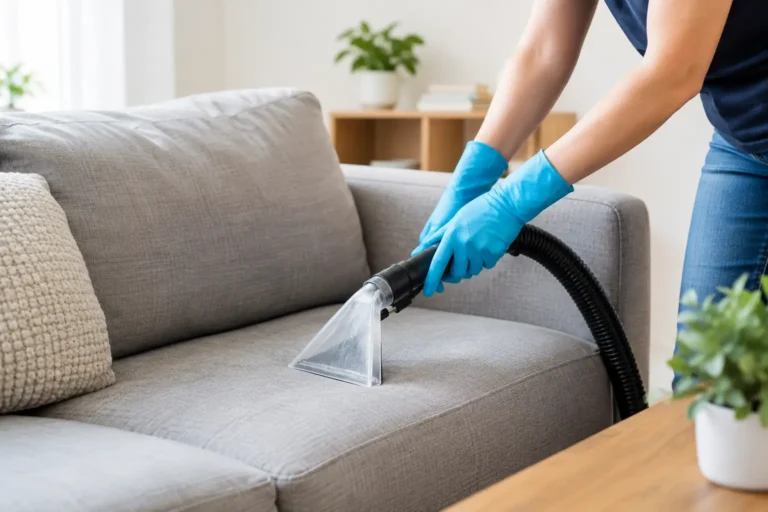
If ash has spread onto carpet, furniture, or drapery, do not scrub it into the fibers. Limit foot traffic, keep children and pets away from the area, and use cleaning methods appropriate for soot and fine particulate residue. Soot removal is different from ordinary dusting because rubbing can smear oily residue and make staining worse.
When Ash Points to a Chimney Cleaning Need
A small amount of ash after occasional fireplace use is normal. Heavy soot, strong odors, repeated smoke backup, or debris falling into the firebox are not conditions to overlook. These signs may indicate creosote buildup, a flue obstruction, a damaged chimney cap, moisture intrusion, or nesting animals.
Creosote deserves particular attention. It is a dark, sticky, or flaky residue that forms when wood smoke cools inside the chimney. Besides contributing to odors and dirty air, creosote is combustible. If enough accumulates, it can increase the risk of a chimney fire.
Schedule a professional chimney inspection and cleaning when you have used the fireplace regularly, have moved into a home with an unknown maintenance history, or notice any of the warning signs above. Annual inspection is a practical standard for homes that use wood-burning fireplaces or stoves. How often a full cleaning is needed depends on how frequently you burn fires, the type and dryness of your wood, and the condition of the chimney.
Reduce Ash, Smoke, and Allergens Between Cleanings
Better fireplace habits can reduce the amount of residue that reaches your living space. Burn only dry, seasoned firewood. Wet wood creates more smoke, encourages creosote formation, and leaves behind more residue. Open the damper fully before starting a fire, and make sure the fire has an adequate air supply.
Keep the fireplace screen or doors closed as designed during use to help contain sparks and debris. After the fireplace has cooled, clean small ash accumulations carefully rather than allowing them to overflow the firebox. A thin layer of ash can sometimes help insulate a wood fire, but excessive buildup can interfere with airflow and make cleanup messier.
It also helps to pay attention to the area around the hearth. Clean nearby hard surfaces with a damp cloth, wash fireplace blankets or removable fabrics if they collect soot, and replace HVAC filters on schedule. If your home has a recurring smoky odor or frequent dust after fireplace use, air duct cleaning may be worth considering after the source problem in the chimney has been corrected.
When to Call a Professional
Call for professional chimney service if smoke enters the room, you smell burning odors when the fireplace is not in use, see thick soot or glazed creosote, find animal debris, or suspect a blockage. These issues can affect indoor air quality and may create a fire or carbon monoxide concern.
Professional service is also the right choice after a chimney fire, water damage near the chimney, or a major soot spill. Technicians can inspect the flue, remove buildup with proper containment, identify visible concerns, and help keep debris from spreading through the home. For busy homeowners and property managers, DMV Dream Clean provides professional chimney cleaning and sweeping with a focus on cleaner air, safer operation, and straightforward scheduling.
A fireplace should add comfort, not leave your family coughing or your property covered in residue. If ash, soot, or smoky odors keep returning, treat it as a signal to clean the system properly before the next fire.