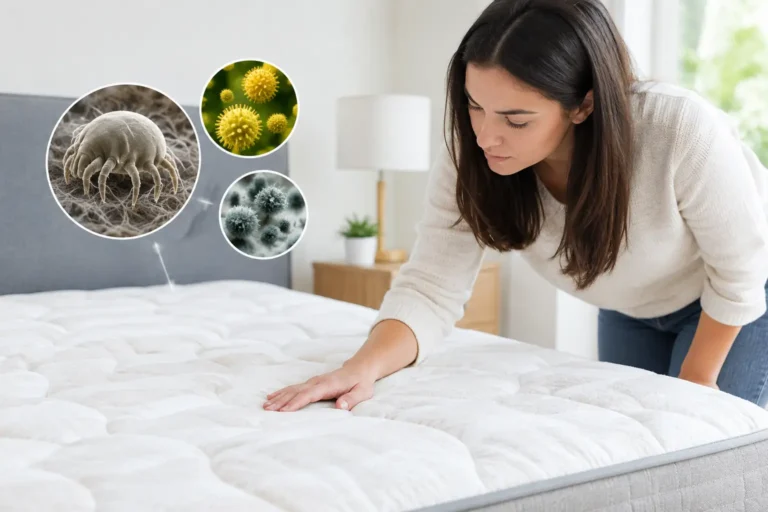
Your mattress may look clean after you change the sheets, but its interior can hold far more than you can see. Do mattresses collect allergens? Yes. Over time, mattresses can collect dust mite allergens, pet dander, pollen, mold particles, and other debris that may affect sensitive sleepers.
For families, renters, and property managers, this is not a reason to panic or replace a mattress at the first sneeze. It is a reason to treat the bed as part of a practical indoor air quality routine. Regular care can reduce buildup, support a cleaner sleeping space, and help you get more out of a mattress you already own.
Why Mattresses Collect Allergens Over Time
A mattress is a soft, layered surface that is used for hours every night. During that time, it collects tiny particles from the room, your clothing, your skin, your hair, and your pets. Unlike a hard floor or countertop, it cannot simply be wiped down.
Dust mites are one of the most common concerns. These microscopic organisms thrive in warm, humid spaces and feed on shed skin cells. The mites themselves are not usually the main issue. Their waste particles and body fragments can trigger allergy or asthma symptoms in people who are sensitive to them.
Mattresses can also trap pet dander, especially if a pet sleeps on the bed or spends time in the bedroom. Pollen can enter through open windows, shoes, clothing, and HVAC airflow. In humid conditions or after a spill, moisture can create conditions that support mold growth. Even a mattress that appears spotless may contain allergens beneath the surface.
How much buildup develops depends on the home. A bedroom with pets, carpet, high humidity, frequent open windows, or limited cleaning may have more allergen exposure than a tightly maintained room. Older mattresses also tend to have had more time to accumulate dust and body oils.
Who Is Most Likely to Notice Mattress Allergens?
Anyone can benefit from a cleaner mattress, but buildup is more likely to cause noticeable problems for people with allergies, asthma, eczema, or other respiratory sensitivities. Children may also be more affected because they spend more time close to bedding and soft surfaces.
Morning symptoms can be a useful clue. If congestion, sneezing, itchy eyes, coughing, or a stuffy nose feel worse after waking up and improve later in the day, the bedroom environment may be contributing. That does not automatically mean the mattress is the only cause. Pillows, bedding, carpeting, upholstered furniture, air ducts, and pets can all play a role.
A musty odor, visible spotting after a leak, or a mattress that stayed damp after an accident deserves more immediate attention. Moisture changes the situation because it can lead to mold and deeper contamination. In those cases, a professional assessment may be safer than trying to cover up the problem with fragrance or surface cleaning.
Signs Your Mattress Needs Attention
There is no calendar date when every mattress suddenly becomes unhealthy. Still, a few common signs suggest it is time to improve your cleaning routine or schedule a deeper service.
If you wake with recurring allergy symptoms, notice an odor that returns after fresh sheets are added, see stains or discoloration, or have not cleaned the mattress in years, it is worth addressing. The same is true after a pet accident, illness, a prolonged humid period, or water damage in the bedroom.
Visible dust around the bed frame and under the mattress is another sign that particles are circulating in the room. It does not prove what is inside the mattress, but it indicates that the sleep area could benefit from more thorough cleaning.
How to Reduce Allergens in a Mattress
The most effective approach combines washable bedding, moisture control, routine vacuuming, and a quality protective cover. No single step removes every allergen, but consistent maintenance can make a meaningful difference.
Wash Bedding on a Consistent Schedule
Sheets, pillowcases, and blankets are the first line of defense because they catch much of what would otherwise settle into the mattress. Wash them regularly according to their care labels. For households managing dust mite allergies, warm or hot water may be appropriate for washable bedding when the fabric instructions allow it.
Do not forget comforters, mattress pads, and washable pillow protectors. These items do not need to be cleaned as often as sheets, but leaving them untreated for months can allow dust and allergens to build up.
Use a Fully Enclosed Mattress Protector
A zippered, allergen-resistant mattress encasement creates a barrier between the sleeper and the mattress. It can help limit exposure to existing dust mite allergens while reducing the amount of new debris that reaches the mattress surface.
Choose a protector designed to fully encase the mattress rather than one that only covers the top. Make sure it fits without tearing or leaving large gaps, and wash it as directed. A protector is especially useful for children, pet owners, allergy-prone households, and rental properties.
Vacuum Carefully and Keep the Bedroom Dry
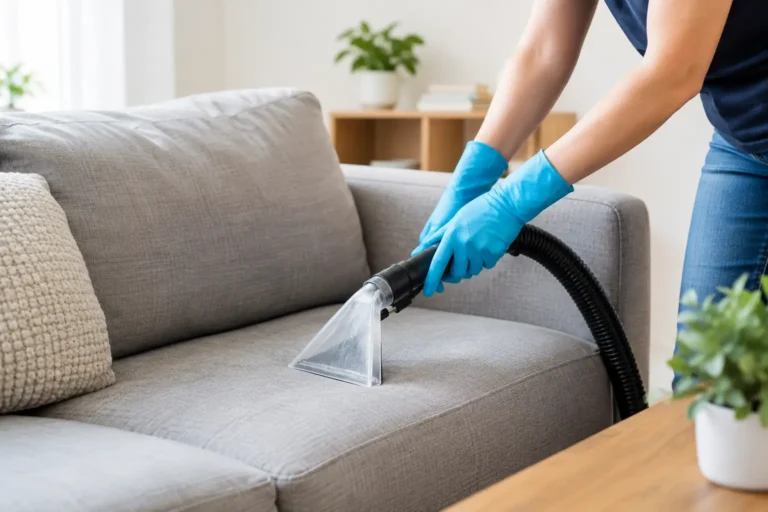
Vacuum the mattress surface and seams using a clean upholstery attachment. Go slowly, paying attention to piping, edges, and creases where dust can settle. Avoid soaking the mattress with sprays or homemade cleaning mixtures. Excess moisture can be difficult to remove from foam and padding, creating a new problem instead of solving the original one.
Humidity matters, too. A bedroom that feels consistently damp can support dust mites and mold. Use air conditioning or a dehumidifier when needed, repair leaks promptly, and allow bedding to air out after heavy sweating or a spill. Good airflow and a dry sleep environment are practical tools for allergen control.
Clean the Rest of the Sleep Area
A cleaned mattress can quickly collect new particles if the surrounding room is neglected. Vacuum carpets and rugs, clean under the bed, wipe down the frame and nightstands, and wash curtains or other fabric window treatments when needed. If the room has upholstered seating, it may also hold dust and pet dander.
For households with ongoing allergy concerns, consider the broader indoor environment. Dirty air ducts, clogged filters, and dusty carpets can continue sending particles through the home. Addressing the entire bedroom often produces better results than focusing only on the bed.
When Professional Mattress Cleaning Makes Sense
Routine care is valuable, but some situations call for a deeper cleaning. Professional mattress cleaning can be a practical option for persistent odors, visible staining, pet-related messes, heavy dust buildup, move-in or move-out preparation, and households where allergies are a recurring concern.
The right method depends on the mattress material and condition. Memory foam, pillow-top, hybrid, and traditional innerspring mattresses do not all respond the same way to moisture or extraction. A careful cleaning process should account for the fabric, filling, stain type, and drying needs instead of using a one-size-fits-all approach.
At DMV Dream Clean, trained technicians can help homeowners, renters, and property managers address deep-set mattress concerns with professional care. This is particularly helpful when you need a cleaner result without oversaturating the mattress or risking unnecessary damage.
Keep expectations realistic. Professional cleaning can reduce surface debris, odors, and contaminants, but it cannot repair a mattress with extensive mold growth, severe water damage, broken support, or years of permanent deterioration. If contamination is significant, replacement may be the healthier choice.
Should You Replace an Old Mattress?
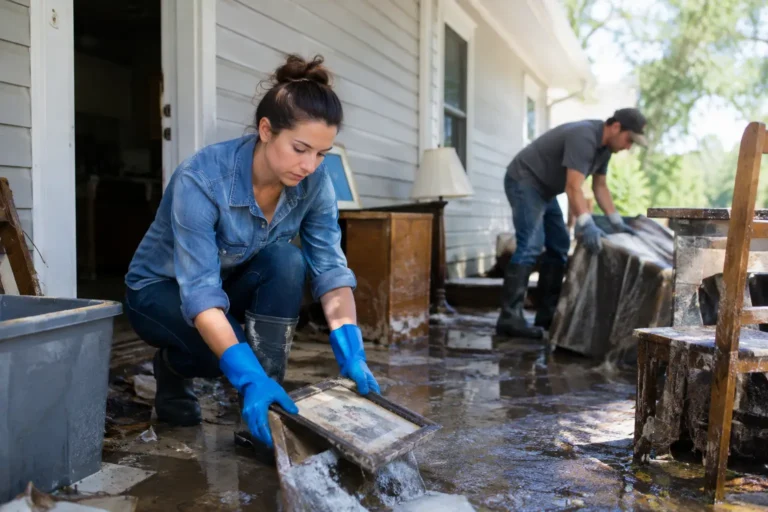
Cleaning is not always the answer. Most mattresses eventually lose support, develop persistent odors, or become difficult to maintain. If your mattress is sagging, causing discomfort, has widespread staining, or was exposed to contaminated floodwater, replacement is often more practical than continued cleaning.
For a mattress in good structural condition, preventive care can extend its usable life. A protector, clean bedding, regular vacuuming, and prompt response to spills can help keep allergens and odors from becoming deeply established.
A cleaner bed starts with small habits that are easy to maintain. Keep the room dry, wash what is washable, protect the mattress, and do not ignore changes in odor or allergy symptoms. When the buildup feels beyond routine care, professional help can restore confidence in the place where you rest every night.