A couch can look clean from across the room and still hold the evidence of daily life: snack crumbs under the cushions, pet hair in the seams, body oils on the armrests, and a faint odor that returns whenever the room gets warm. Knowing how to clean couch fabric correctly protects the upholstery while removing the dirt you can see and the buildup you cannot.
The best method depends on the fabric and its cleaning code. Using too much water, the wrong cleaner, or excessive scrubbing can leave water rings, fade color, or damage the backing beneath the fabric. Start with a careful inspection, then clean in small sections so you get a fresher couch without creating a bigger problem.
Start With the Upholstery Cleaning Code
Before applying any cleaner, find the manufacturer’s care tag. It is often located under a seat cushion, beneath the couch, or on the attached fabric skirt. The tag usually includes one of four codes that tells you which type of cleaning is safe.
- W means water-based upholstery cleaners are generally safe.
- S means use a solvent-based cleaner only. Water may cause staining or shrinkage.
- WS or SW means either water-based or solvent-based products may be used.
- X means vacuuming or professional cleaning only. Do not use water, foam, or solvent products at home.
If you cannot find a tag, check the manufacturer’s care instructions online or treat the fabric cautiously. Vacuum first, spot-test any product in a hidden area, and avoid soaking the material. Velvet, silk, linen, wool, suede, and some performance fabrics may need specialized care even when a label appears straightforward.
How to Clean Couch Fabric Step by Step
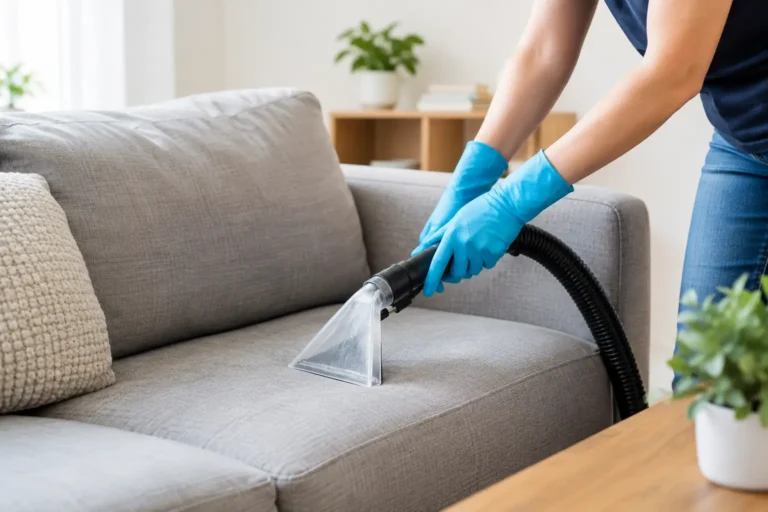
For routine cleaning, you do not need a cabinet full of products. A vacuum with an upholstery attachment, clean white microfiber cloths, a soft brush, mild dish soap, and water are enough for many W- or WS-coded couches. White cloths matter because colored towels can transfer dye when damp.
Vacuum Every Surface First
Remove cushions if possible. Vacuum the seat, back, arms, sides, and the gaps where cushions meet the frame. Use a crevice tool to reach seams and corners, where crumbs, hair, dust, and grit settle over time.
Do not skip this step. When loose soil gets wet, it can turn into muddy streaks that are harder to remove. If pet hair is woven into the fabric, a dry rubber glove or upholstery brush can help lift it before vacuuming again.
Test Your Cleaner in a Hidden Spot
Mix a small amount of mild dish soap with water for a W-coded couch, following the product label if you are using an upholstery cleaner. Dampen a cloth rather than pouring or spraying solution directly onto the couch.
Apply the cleaner to an inconspicuous area, such as the back edge of a cushion. Blot gently, let it dry completely, and check for fading, stiffness, a water ring, or color transfer. If the test area looks unchanged, continue.
Clean in Small, Controlled Sections
Work on one cushion or section at a time. Lightly blot or wipe the fabric with your damp cloth, using gentle circular motions only when needed to loosen soil. Focus on high-contact areas such as armrests, headrests, and seat cushions.
The goal is to lift soil, not saturate the upholstery. Too much moisture can soak into foam cushions and padding, creating a lingering musty smell or encouraging mold growth. Follow with a second cloth lightly dampened with plain water to remove soap residue, then blot with a dry towel.
Let the Couch Dry Completely
Open windows, run ceiling fans, or use a portable fan to speed drying. Keep children and pets off the couch until it is fully dry. Replacing cushions while they are damp can trap moisture between the fabric and foam.
Avoid using high heat from a hair dryer or placing the couch in direct sunlight for extended periods. Heat can shrink delicate fibers, set certain stains, or cause uneven fading.
Removing Common Couch Stains Safely
A fresh spill is usually easier to remove than an old stain. Blot immediately with a clean, dry cloth. Press down to absorb liquid, but do not rub back and forth. Rubbing pushes the spill deeper into the fibers and can spread the stain outward.
For a food or drink spill on W-coded fabric, blot first, then use a small amount of water-based upholstery cleaner or mild soapy water. Work from the outer edge toward the center to prevent a larger ring. Blot away cleaner with a separate damp cloth, then dry the area thoroughly.
For greasy stains, such as pizza oil, lotion, or makeup, start by gently lifting any excess material with a spoon or dull edge. Do not scrape aggressively. A small amount of a fabric-safe upholstery product may be needed, but always follow the cleaning code. Grease can be stubborn, and repeated home treatments often spread it across the fabric.
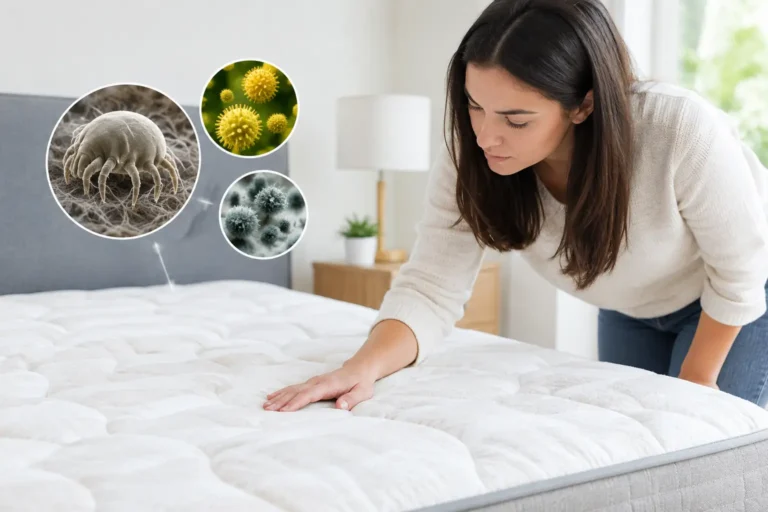
For pet accidents, blot up moisture quickly and use an upholstery-safe enzyme cleaner only if the care tag permits it. The odor may remain if moisture reaches the cushion insert or the couch frame, so surface cleaning is not always enough. Avoid masking odors with heavy fragrance. It may make the room smell stronger without addressing the source.
Ink, nail polish, red wine, bleach marks, and old mystery stains require extra caution. Some stains are permanent color loss rather than removable soil. In those cases, aggressive scrubbing can cause more visible damage than the original mark.
What Not to Use on Fabric Upholstery
Household cleaning shortcuts can be risky on a couch because upholstery combines face fabric, padding, dyes, adhesives, and wood or metal framing. A product that works on a countertop may not be safe for a cushion.
Do not use bleach unless the manufacturer specifically approves it. Avoid soaking the fabric with water, using carpet shampoo indiscriminately, or applying harsh all-purpose cleaners. Steam cleaners are also not a universal solution. While steam can help on certain durable fabrics, excessive heat and moisture can damage delicate materials, loosen adhesives, or leave cushions wet deep inside.
Baking soda can help absorb light odors when sprinkled on dry, vacuum-safe fabric and removed after several hours. Still, it will not remove embedded oils, heavy soil, or the source of a pet odor. Use it as a light refresh, not a replacement for deep cleaning.
When a Couch Needs Professional Upholstery Cleaning
At-home care is useful for maintenance and fresh spills, but professional service is often the safer choice for heavily used furniture. Consider professional upholstery cleaning when the couch has widespread discoloration, deep-set stains, recurring odors, pet contamination, visible soil on armrests, or cushions that feel damp after a DIY attempt.
Professional cleaning is also a good option before moving, after a tenant turnover, or when preparing a home or business space for guests and clients. Experienced technicians can identify fabric types, choose an appropriate method, and remove more soil without overwetting the upholstery. This matters for larger sectionals, delicate fabrics, and furniture with attached cushions that are difficult to dry at home.
For homeowners, renters, property managers, and businesses throughout the DMV area, DMV Dream Clean provides upholstery cleaning designed to refresh fabric furniture while protecting the material underneath. A professional assessment can save you from replacing a couch that simply needs the right cleaning process.
Keep Fabric Couches Cleaner Between Deep Cleanings
A little routine care makes deep cleaning easier and helps upholstery last longer. Vacuum the couch every one to two weeks, especially if you have pets, children, or frequent guests. Rotate and fluff removable cushions regularly so wear and body oils do not concentrate in the same spots.
Use washable throws on favorite seats, address spills right away, and keep food and drinks away from light-colored or delicate upholstery when possible. If a stain does not improve after one careful attempt, stop before the fabric becomes overly wet or worn. The right next step is often professional help, not a stronger cleaner.