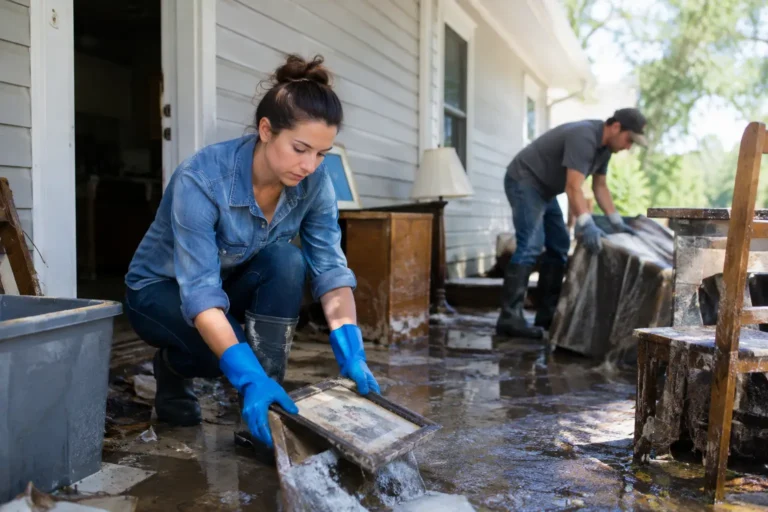
A burst supply line behind a refrigerator can send water across a living room before anyone notices. This living room flood cleanup example shows what a practical response looks like: stop the source, protect people and belongings, remove water quickly, and make sure hidden moisture does not remain under flooring or inside walls.
The goal is not simply to make the room look dry. A living room can appear normal while carpet padding, baseboards, drywall, furniture frames, and subflooring hold enough moisture to cause odor, staining, material failure, or mold growth later. Fast, careful action protects the home and reduces the scope of restoration.
Living Room Flood Cleanup Example: A Common Scenario
Imagine a homeowner returns from work to find water spreading from the kitchen into an adjoining carpeted living room. The refrigerator ice-maker line has been dripping for several hours. The water is clear, but it has soaked an area rug, carpet, padding, the lower portions of two walls, and the feet of a sectional sofa.
The homeowner first turns off the refrigerator water supply and avoids walking through the wet area near electrical cords and outlets. After moving children and pets away from the room, they take photos and short videos for insurance documentation. Then the cleanup team arrives to inspect the affected areas, identify the water source, and determine how far moisture has traveled.
Because this is clean water from a supply line, some materials may be salvageable if drying begins promptly. That does not mean every wet item should stay in place. The carpet padding is heavily saturated and may need to be removed, while the carpet itself may be cleaned, treated, and dried if its condition and age support restoration. The decision depends on the amount of water, how long it sat, and whether the materials can be dried completely.
Step One: Make the Area Safe Before Cleanup Begins
Safety comes before furniture moving or water extraction. If water is near outlets, power strips, lamps, or electronics, shut off power to the affected area only if it is safe to do so. Do not enter standing water where electrical hazards may be present. A licensed electrician may be needed if water reached outlets, wiring, or the electrical panel.
The source of the water also matters. Water from a clean plumbing supply line is handled differently than water from a toilet overflow, sewage backup, outdoor flooding, or a failed sump pump. Water that may contain contaminants requires a more controlled cleanup process, appropriate protective equipment, and removal of materials that cannot be safely cleaned.
In this example, the water is clean, but the response is still urgent. Once water sits in carpet and padding, it migrates into adjacent materials. The longer it remains, the more likely the job becomes a larger demolition and restoration project.
Step Two: Document and Protect What Can Be Saved
Before extraction starts, damaged contents should be documented. Clear photos of wet carpeting, furniture, rugs, walls, and the suspected source can help with an insurance claim. Keep damaged items until the carrier or restoration professional advises otherwise.
Next, move dry or lightly affected belongings out of the room. Books, electronics, artwork, wood furniture, and upholstered pieces should not sit in a damp environment while the room is being dried. In the living room example, technicians place furniture blocks or protective tabs beneath salvageable furniture legs to prevent wood stain or rust from transferring onto the carpet.
An area rug should be evaluated separately. A rug can hold a surprising amount of water, and its backing, dyes, fibers, and fringe may require specialized cleaning. Rolling up a soaked rug and leaving it in a garage can trap moisture and create odor. Prompt professional rug cleaning gives a valuable rug its best chance of recovery.
Step Three: Extract Water, Not Just Surface Moisture
A household wet vacuum may remove some visible water, but professional extraction equipment removes much more moisture from carpet and padding. That difference can determine whether materials can be saved. In this case, the cleanup crew performs thorough water extraction across the affected carpet, including the edges where water has wicked toward the walls.
If the padding is saturated, it is usually removed. Padding is inexpensive compared with the risk of slow drying, trapped odor, and microbial growth beneath the carpet. The carpet may be lifted carefully and dried from both sides if it is in good condition and the water category allows it.
Hardwood, laminate, and vinyl flooring need a different approach. Water can move beneath planks and along seams even when the surface feels dry. Hardwood can cup, buckle, or separate if drying is delayed. Laminate often swells at the edges after prolonged exposure. A moisture assessment helps determine whether targeted drying may work or whether portions of the flooring need removal.
Step Four: Check Walls, Baseboards, and Hidden Areas
The most visible wet spot is not always the full extent of the loss. Moisture meters and thermal imaging help identify damp drywall, framing, and subflooring without unnecessary demolition. In this living room, readings show moisture behind the baseboards along one wall and beneath the carpet near the sofa.
Baseboards may be carefully removed so air can reach the wall edge and moisture can be checked behind them. If drywall has absorbed water beyond a recoverable level, a controlled cut-out may be necessary. This can feel frustrating when the wall looks fine, but leaving wet drywall in place can create a much larger problem after the room is put back together.
Furniture also deserves close attention. Upholstered sofas can absorb water through the bottom fabric and into the frame or cushions. Solid wood pieces may be dried and cleaned, while particleboard furniture can swell and lose structural strength. A professional assessment separates items that can be restored from those that are unlikely to remain safe or usable.
Step Five: Set Up Measured Drying Conditions
After extraction and removal of unsalvageable materials, drying equipment is positioned based on the room layout and moisture readings. Air movers increase airflow across wet surfaces, while dehumidifiers pull moisture from the air. The room may be closed off from unaffected areas so humid air does not spread through the home.
More equipment is not always better. Too much uncontrolled airflow can spread dust or affect drying performance, while too little dehumidification can leave the room damp. The right setup depends on the size of the affected area, the materials involved, the indoor temperature, and outdoor humidity.
Drying usually takes several days, with technicians returning to monitor moisture levels and adjust equipment. The room should not be declared dry based only on appearance or feel. Readings should confirm that carpet, subflooring, walls, and other affected materials have returned to an acceptable dry standard.
Cleaning, Odor Control, and Indoor Air Quality
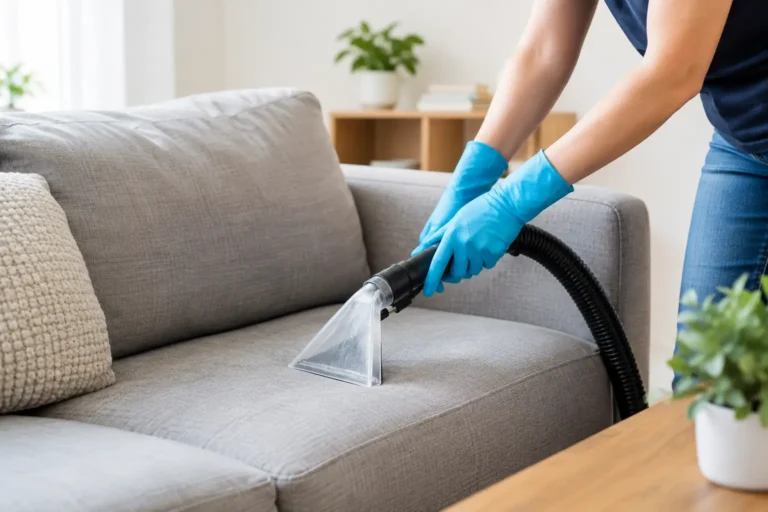
Once the structure is dry, the carpet and upholstery may need professional cleaning to remove soil brought up by the water and restore their appearance. If water was contaminated, the cleaning and disposal decisions become more conservative. Health and safety come before saving a carpet or furniture item.
Odor should be addressed at the source, not covered with fragrance. A musty smell can signal remaining moisture, affected padding, contaminated materials, or inadequate ventilation. Proper extraction, removal, cleaning, and controlled drying are what prevent persistent odors from taking hold.
For homes with children, pets, allergies, or respiratory sensitivities, keeping the affected room isolated and properly dried is especially valuable. Water damage can disrupt indoor air quality even when the original leak seems small.
When to Bring in a Professional
A small spill caught immediately may be manageable with towels, ventilation, and close observation. A flood that reaches carpeting, walls, flooring, upholstered furniture, or multiple rooms is different. Professional water damage restoration is the right choice when water has been standing, the source may be contaminated, materials feel damp after cleanup, or there is any concern about hidden moisture.
DMV Dream Clean helps homeowners, renters, property managers, and businesses respond to water damage with practical cleanup, drying, and restoration support. Fast scheduling and a clear assessment can help prevent a manageable living room leak from turning into a costly repair.
If a living room has been flooded, do not wait for staining or odor to tell you there is a problem. Protect the area, document what happened, and get the moisture checked while the best restoration options are still available.