Floodwater can turn a familiar home or business into an unsafe space in a matter of hours. The essential post flood recovery steps begin before cleanup: protect people, stop additional damage where possible, and create a clear record of what happened. Moving too quickly with a mop, fan, or shop vacuum can put you at risk and may make an insurance claim harder to document.
Essential Post Flood Recovery Steps for a Safer Start
1. Do not enter until the property is safe
Stay out of the building until local authorities say it is safe to return if the flood was widespread or involved a storm, river overflow, or damaged utilities. Even when the water has gone down, structural damage, electrical hazards, gas leaks, and contaminated water can remain.
Before entering, look for sagging ceilings, cracked walls, loose flooring, shifted foundations, and downed power lines. If you smell gas, hear a hissing sound, or suspect electrical damage, leave immediately and contact the appropriate utility or emergency professional. Never walk through standing water if electricity may still be on.
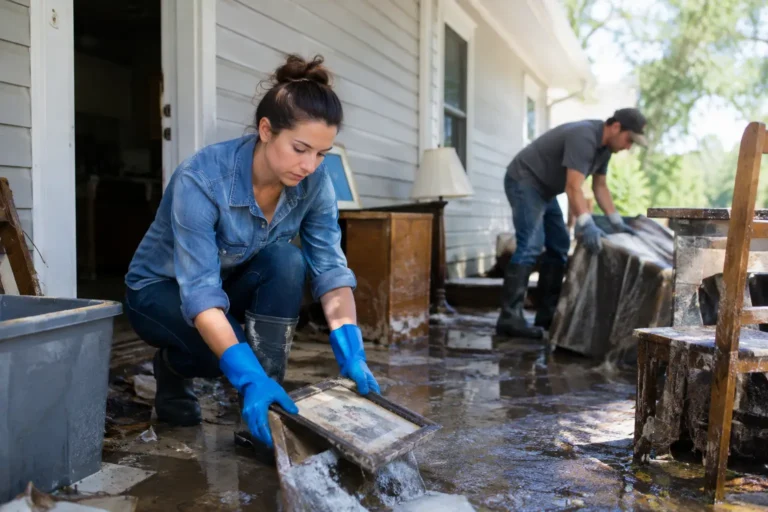
Wear protective gear once it is safe to enter. Waterproof boots, gloves, eye protection, and an N95 mask help reduce exposure to bacteria, mold spores, sewage, chemicals, and debris. If floodwater entered from outside, treat it as contaminated unless a qualified professional confirms otherwise.
2. Document everything before removing it
Take clear photos and videos of every affected room before throwing away belongings or starting major cleanup. Capture standing water, water lines on walls, damaged floors, furniture, appliances, rugs, cabinets, and personal items. Open closets and photograph hidden damage as well.
Make a room-by-room inventory that notes each item, its approximate age, condition before the flood, and estimated value. Keep receipts for emergency supplies, temporary lodging, equipment rentals, and professional services. This record supports your insurance claim and gives restoration professionals a better understanding of the scope of damage.
Call your insurance carrier as soon as possible. Ask what they need before repairs begin and whether they require an adjuster inspection. Emergency mitigation is often necessary to prevent further loss, but it is wise to understand your policy requirements and save all documentation along the way.
3. Remove water and begin drying quickly
Time matters after a flood. Moisture that stays trapped in carpet padding, drywall, insulation, upholstery, subflooring, and cabinets can lead to mold growth and material deterioration. The goal is not simply to remove visible water. It is to dry the structure and contents thoroughly.
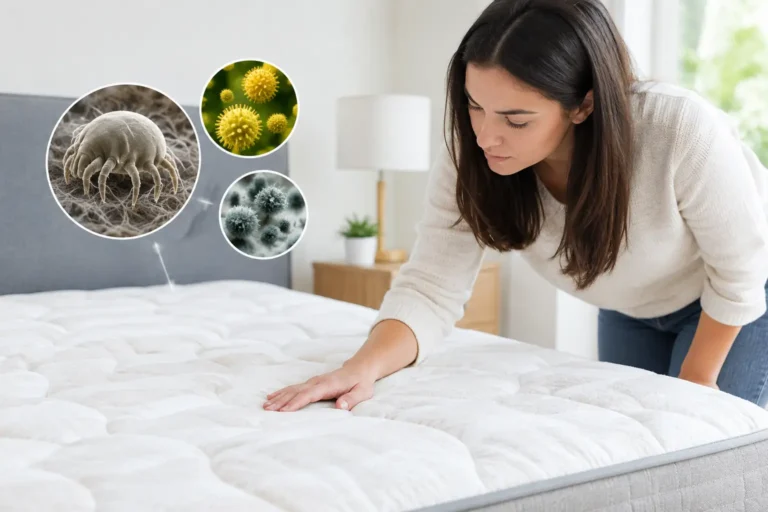
If the water is clean and the area is safe, small spills may be manageable with proper extraction and ventilation. Floodwater from outdoors, sewage backups, or water mixed with contaminants is a different situation. Porous materials exposed to contaminated water, including carpet padding, mattresses, insulation, and many upholstered items, may need to be removed rather than cleaned.
Use fans and dehumidifiers only after electrical safety is confirmed. Open windows when outdoor humidity is lower than indoor humidity, but do not rely on open windows alone. In humid weather, they can add moisture rather than remove it. Professional moisture testing can identify wet areas behind walls, under flooring, and inside materials that look dry on the surface.
4. Separate what can be saved from what cannot
Some belongings can be cleaned and restored, while others create ongoing health or odor problems if they remain in place. Hard, nonporous items such as metal, glass, plastic, and sealed surfaces are often easier to disinfect after appropriate cleaning. Solid wood furniture may be recoverable depending on how long it was wet and whether it has begun to warp, split, or grow mold.
Carpet is more complicated. A small amount of clean water from a controlled source may allow for fast extraction and professional drying. Floodwater, however, can carry bacteria, chemicals, and sewage. In those cases, carpet and padding often need removal to protect the indoor environment.
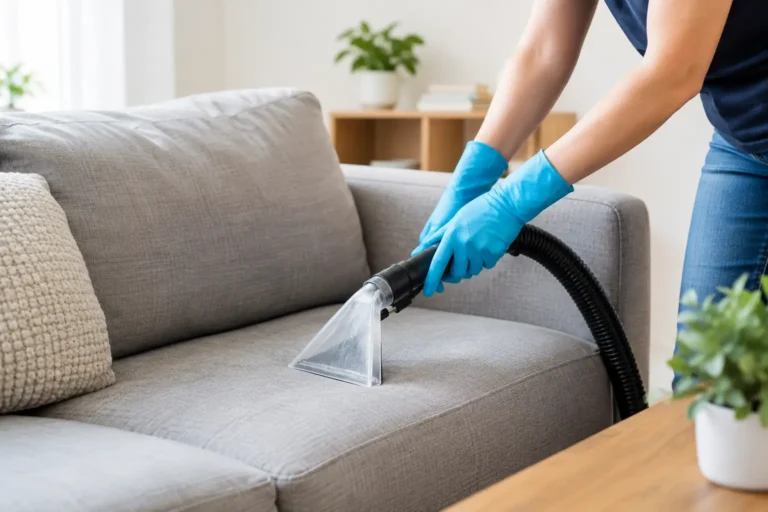
Do not overlook soft contents. Rugs, curtains, upholstered furniture, bedding, and clothing can hold moisture deep inside their fibers and padding. A professional evaluation helps determine whether cleaning is practical or whether replacement is the safer option. Trying to save every item may feel understandable, but delaying disposal of heavily contaminated materials can make the recovery process more expensive.
Clean, Disinfect, and Control Moisture
Once unsalvageable materials are removed, affected surfaces need careful cleaning. Mud and debris should be removed first. Then clean hard surfaces with appropriate products and allow them to dry completely. Disinfecting works best on surfaces that have already been cleaned, not on dirt or residue.
Avoid mixing cleaning chemicals. Bleach and ammonia-based products, for example, can create dangerous fumes. Use products according to their labels, keep the space ventilated, and store chemicals away from children and pets.
Mold prevention depends on drying, not fragrance. Air fresheners and surface sprays may cover odors temporarily, but they do not solve moisture inside walls, beneath flooring, or within HVAC components. A musty smell, visible spotting, peeling paint, warped floors, or recurring condensation can all point to unresolved water damage.
Check the HVAC system before using it normally
Your heating and cooling system can spread dust, moisture, and contaminants through the building if it was exposed to floodwater or if mold developed nearby. Do not run the system if water reached the furnace, air handler, electrical components, or ductwork until it has been inspected.
Filters should be replaced, but a new filter alone does not address contaminated ducts or wet equipment. Depending on the extent of exposure, the system may need professional cleaning, repair, or replacement. This is especially important for families with asthma, allergies, young children, older adults, or anyone with respiratory sensitivities.
Protect Your Health During the Recovery
Flood cleanup is physically demanding and can be emotionally exhausting. Take breaks, drink water, and avoid lifting waterlogged furniture or debris alone. Heavy items become much heavier when saturated, and damaged flooring can be unstable.
Keep children and pets away from the work area until cleanup and drying are complete. Wash hands thoroughly after handling damaged materials, and cover cuts or scrapes before working around flood-affected surfaces. If you develop symptoms after exposure to floodwater, such as fever, stomach illness, breathing trouble, or a worsening skin rash, contact a healthcare provider.
For commercial properties, consider the people who use the space every day. Employees, tenants, customers, and visitors should not return until the area is dry, safe, and free of obvious hazards. Clear communication about access, cleanup schedules, and temporary work arrangements can reduce confusion during an already stressful disruption.
Know When to Call a Restoration Professional
A professional restoration team is especially valuable when water has affected multiple rooms, soaked carpet or drywall, entered from outdoors, involved sewage, or remained in the property for more than a short period. Specialized extraction equipment, commercial dehumidification, moisture detection, and controlled drying methods can address damage that household tools miss.
Prompt help also protects the parts of a property that are easy to overlook: baseboards, subfloors, wall cavities, cabinets, insulation, and upholstery. For homeowners, renters, property managers, and business owners throughout Maryland, Washington, DC, and Northern Virginia, DMV Dream Clean can help assess water damage, remove moisture, and support a cleaner, safer recovery process.
Recovery does not have to be rushed, but it should be deliberate. When each decision is guided by safety, documentation, and thorough drying, you give your property the best chance to recover without hidden moisture becoming the next emergency.